.webp)
Home / world / Trump Announces New US Tariff Plan for Generic Drugs: 0% for Two Years, Then Up to 200% to Boost Domestic Manufacturing
Trump Announces New US Tariff Plan for Generic Drugs: 0% for Two Years, Then Up to 200% to Boost Domestic Manufacturing
By: My India Times
6 minutes read 2Updated At: 2026-07-22

Trump Unveils Sweeping Generic Drug Tariff Policy, Signals Major Shift in US Pharmaceutical Manufacturing
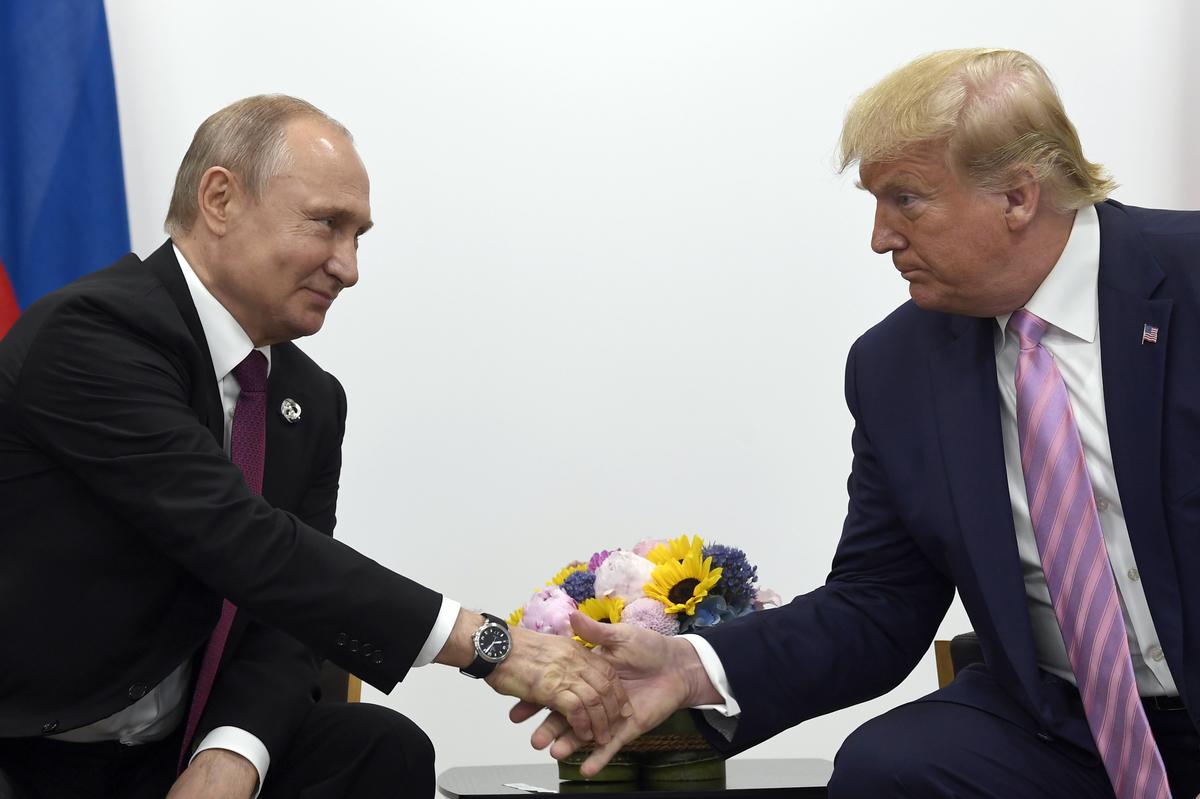
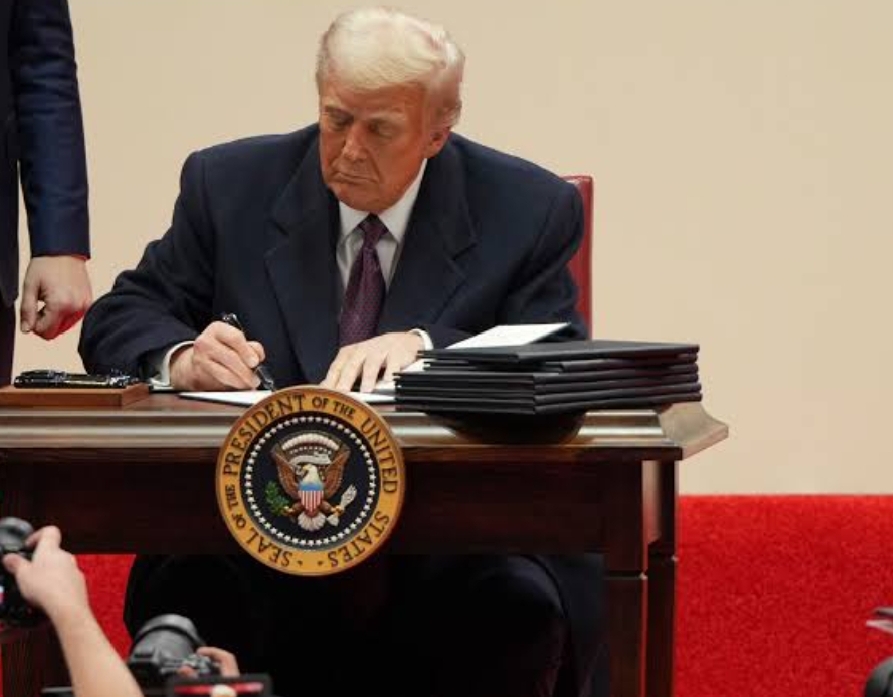
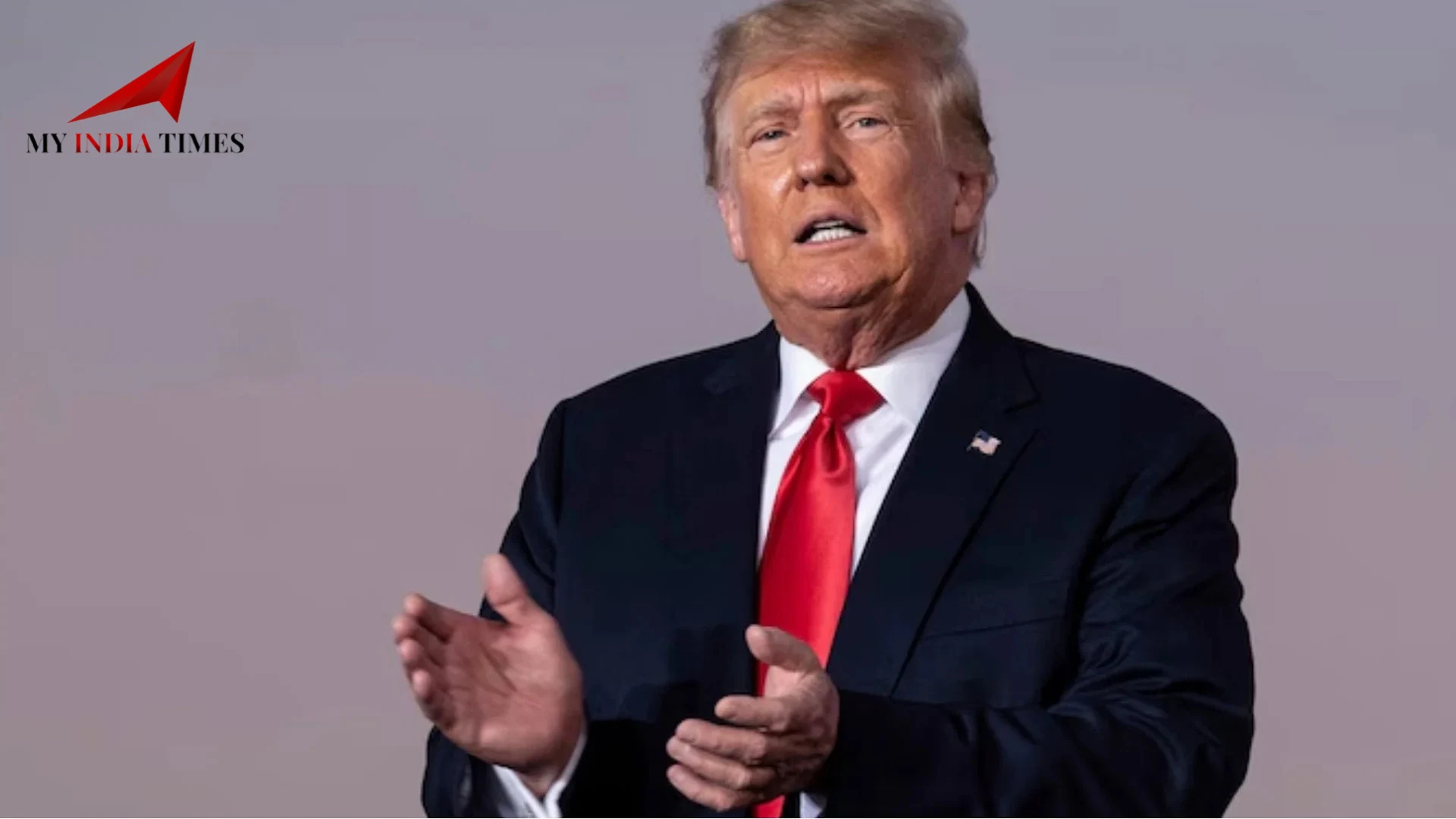
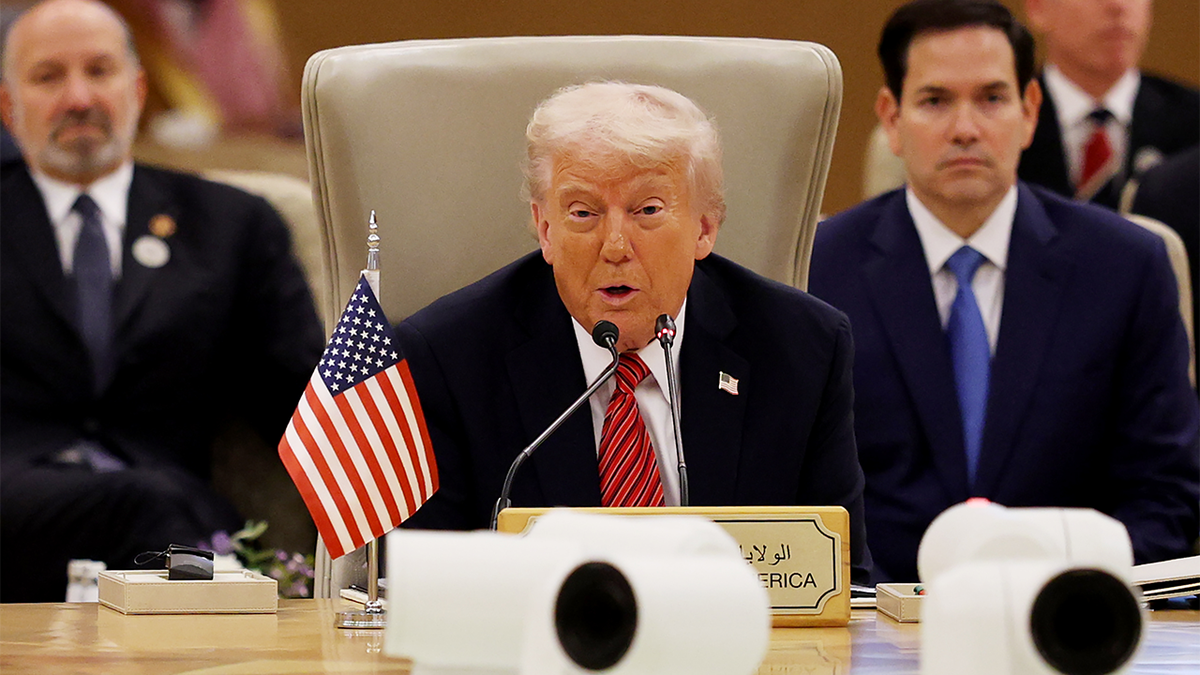
Washington, D.C.: U.S. President Donald Trump has announced a major policy change that could reshape the global pharmaceutical supply chain. Starting on August 1, the new proposal will allow generic medications to be imported into the US duty-free for the next two years. However, companies that continue manufacturing outside the U.S. after this transition period could face 100% tariffs, followed by 200% tariffs in later years.
Trump's reinvigorated commitment to bolstering domestic manufacturing under his "America First" economic plan is reflected in the statement, which represents one of the most punitive trade actions aimed at the pharmaceutical industry. According to industry experts, the action might have a big impact on international pharmaceutical companies' investment plans as well as on exporters from other countries that mainly depend on the US market.
Two-Year Tariff-Free Window Before Sharp Increases
According to the newly announced framework, imported generic drugs will remain exempt from tariffs for two years. According to the administration, this time frame is meant to provide pharmaceutical companies enough time to set up production facilities in the US.
Once the transition period concludes, companies that continue importing generic medicines without shifting manufacturing to the U.S. may face a 100% import tariff for one year, with the rate later increasing to 200%. The administration contends that rather than depending on foreign production, the phased approach encourages long-term investment in American industrial infrastructure while providing businesses with a clear roadmap.
Goal: Bring Pharmaceutical Manufacturing Back to America
According to President Trump, the tariff policy is intended to incentivize pharmaceutical companies to construct plants, increase production capacity, and generate employment in the United States. The nation's reliance on foreign sources for necessary medications and pharmaceutical chemicals has long been a source of concern for American officials. The COVID-19 pandemic further highlighted vulnerabilities in global supply chains, prompting calls for greater domestic production. The latest tariff proposal seeks to reduce that dependence by making overseas manufacturing increasingly expensive while rewarding companies that invest in American facilities. Supporters of the policy argue that strengthening domestic pharmaceutical production could improve national health security and reduce supply disruptions during future emergencies.
Generic Medicines Play a Critical Role
Generic medicines account for the overwhelming majority of prescriptions filled in the United States. These drugs provide affordable alternatives to branded medicines and help lower healthcare costs for millions of Americans. Because generic drugs represent such a large share of the pharmaceutical market, any policy affecting their import costs has the potential to influence manufacturers, distributors, healthcare providers, and consumers. While the administration believes companies will relocate manufacturing rather than pay higher tariffs, some industry analysts caution that production shifts require significant capital investment, regulatory approvals, and time.
Innovative and Branded Drugs Not Included
The administration clarified that the new tariff structure specifically targets generic pharmaceuticals.
Patented medicines, innovative therapies, and branded pharmaceutical products will continue under the existing policy framework, with no immediate changes announced.
This distinction is intended to avoid disrupting investment in research-intensive pharmaceutical innovation while focusing trade policy on high-volume generic medicine manufacturing.
Part of Trump's Broader Trade Strategy
The generic drug tariff plan fits within President Trump's broader economic strategy aimed at expanding domestic manufacturing across key industries. Throughout his presidency and political campaigns, Trump has repeatedly argued that the United States should reduce dependence on overseas manufacturing, particularly in sectors considered strategically important. Earlier trade initiatives targeted industries including steel, aluminum, automobiles, semiconductors, and clean energy technologies. The pharmaceutical sector has now become another major focus of this manufacturing-centered agenda. The administration believes that encouraging companies to produce medicines domestically will strengthen the American economy while creating high-quality industrial employment.
Impact on Global Pharmaceutical Companies
International pharmaceutical manufacturers are now expected to carefully evaluate their long-term strategies for serving the U.S. market. Companies with existing manufacturing facilities in countries such as India, China, and several European nations may consider expanding operations within the United States to avoid future tariff costs. Industry observers note that building pharmaceutical plants requires extensive investment, specialized equipment, skilled personnel, and strict regulatory compliance. As a result, decisions regarding relocation are likely to be made after detailed financial analysis. Some multinational firms already maintain manufacturing facilities in the United States, which could provide them with a competitive advantage under the proposed tariff structure.
Potential Benefits and Challenges
Supporters of the new policy argue that it could produce several long-term benefits:
- Increased pharmaceutical manufacturing within the United States.
- Greater supply chain resilience during global disruptions.
- Creation of skilled manufacturing jobs.
- Reduced dependence on foreign production for essential medicines.
- Stronger national healthcare security.
However, critics warn that the policy also presents potential challenges. If companies choose to absorb tariff costs instead of relocating production, medicine prices could rise. Others suggest that rapid relocation may not be practical due to regulatory approvals, construction timelines, and workforce requirements. Healthcare economists believe the actual impact will depend largely on how pharmaceutical manufacturers respond during the two-year transition period.
Investors Closely Monitoring the Announcement
Financial markets and pharmaceutical investors are closely watching developments following Trump's announcement. Shares of companies with significant exposure to generic drug manufacturing could experience increased volatility as investors assess future production strategies and operating costs. Analysts expect major pharmaceutical firms to begin reviewing supply chains, evaluating manufacturing investments, and estimating the financial implications of the proposed tariffs. The policy may also influence future merger activity, facility expansion, and capital expenditure plans across the healthcare industry.
The tariff framework is expected to take effect from August 1, beginning with a two-year duty-free period for imported generic medicines. During this time, pharmaceutical companies will have the opportunity to announce new manufacturing projects, expand existing American facilities, or adjust their global production networks. The success of the policy will ultimately depend on whether companies choose to invest in U.S.-based manufacturing rather than face significantly higher import duties after the transition period.
President Donald Trump's latest generic drug tariff proposal represents one of the most significant pharmaceutical trade policy announcements in recent years. By offering a temporary tariff-free window followed by steep import duties, the administration aims to encourage pharmaceutical companies to manufacture more medicines within the United States. While supporters see the initiative as a major step toward strengthening domestic industry and improving supply chain security, critics remain cautious about its potential impact on medicine prices and global pharmaceutical operations. As the two-year transition begins, manufacturers, investors, healthcare providers, and policymakers around the world will closely monitor how the pharmaceutical industry adapts to this bold shift in U.S. trade policy.
....
Independent reporting, fact-checked analysis and breaking news coverage from India and around the world.
Trusted source for breaking news, business, technology, world affairs, finance, economy, health, sports and market insights from India and around the globe.
Join our WhatsApp Channel

Similiar News


.jpeg)


-1782441789939.jpg)


.jpg)





.jpg)






















































.png)










.png)





.jfif)










Turkey Blocks LGBTQ+ Cruise Ship From Docking, Sparking Global Debate Over Tourist Rights
2026-07-06

Iran Warns Shipping Against Altering Strait of Hormuz Route Amid Rising Regional Tensions
2026-06-29




































































.png)
 (1).png)