.webp)
Home / world / Kim Jong Un Unveils Ambitious Naval Expansion Plan, Calls for Two New Destroyers Every Year
Kim Jong Un Unveils Ambitious Naval Expansion Plan, Calls for Two New Destroyers Every Year
By: My India Times
3 minutes read 5Updated At: 2026-06-24

North Korean leader pushes for rapid military modernization as navy takes center stage in defense strategy
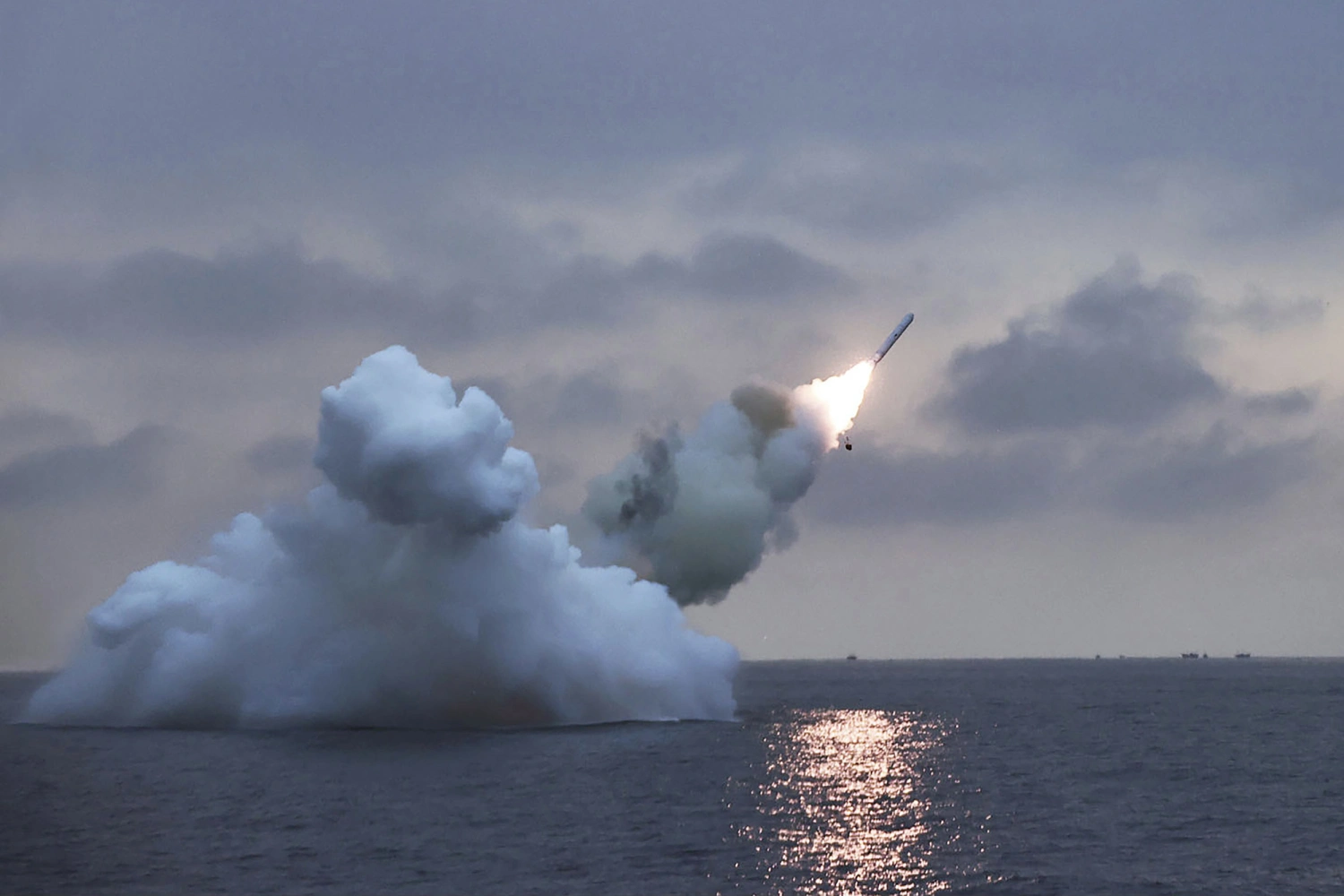
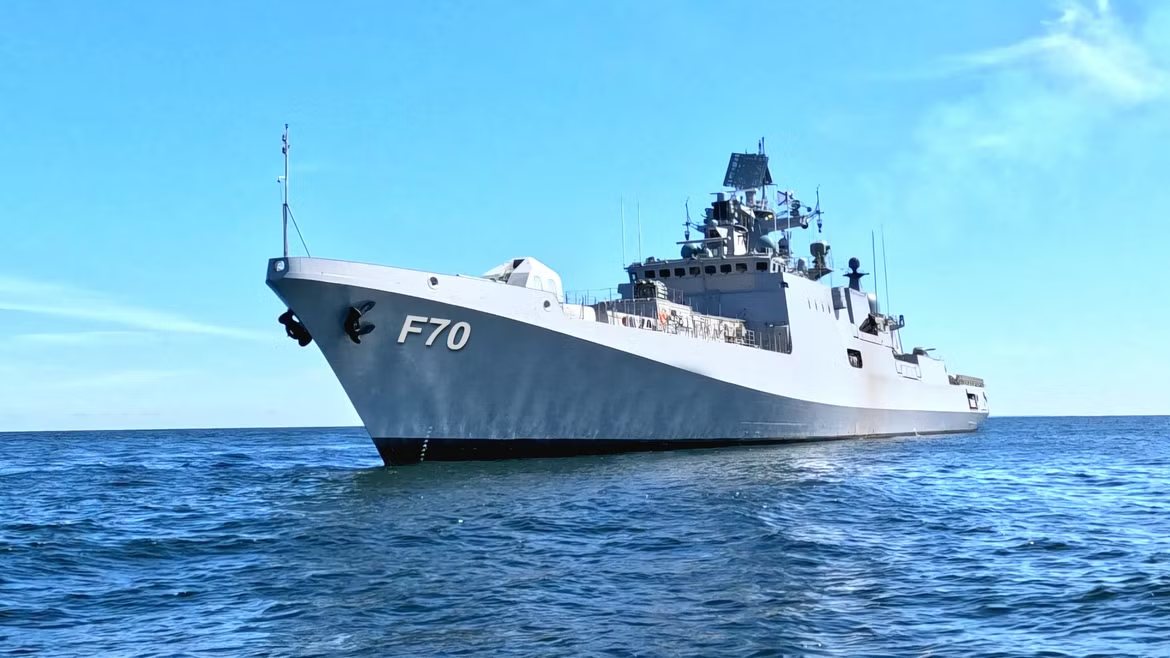
Seoul: North Korean leader Kim Jong Un has announced an ambitious plan to significantly expand the country's naval capabilities, directing officials to build two large destroyers annually over the next five years as part of a broader military modernization drive. Kim stated that North Korea has to speed up naval development in order to bolster its defensive posture and enhance its strategic deterrence capabilities during a ceremony commemorating the commissioning of the nation's newest vessel. The event was held at Nampho port, where the country's newly deployed destroyer, Choe Hyon, officially entered service. The ship, which weighs over 5,000 tons, is regarded as one of North Korea's most sophisticated warships in recent years.. According to state media, the destroyer completed a series of operational and weapons tests before being formally inducted into the navy.
North Korea Eyes Bigger and More Powerful Fleet
Kim used the occasion to outline a long-term naval expansion strategy that goes beyond the Choe Hyon-class destroyer. He revealed that another 5,000-ton warship, named Kang Kon, is expected to join the fleet in the near future. The announcement is notable because the Kang Kon had suffered a setback during its launch last year after partially capsizing. Its restoration and planned deployment are being presented domestically as a symbol of North Korea's determination to continue expanding its military capabilities despite technical challenges. Beyond these destroyers, Kim also spoke of plans to develop larger strategic warships, including vessels reportedly exceeding 10,000 tons. Military analysts believe such ships could play a key role in extending North Korea's operational reach beyond coastal waters.
Navy No Longer the Weakest Branch
For many years, North Korea's nuclear weapons program, artillery systems, and missile forces have been the main components of its military might. The navy, by comparison, has often been viewed as the least developed branch of the country's armed forces. Kim acknowledged this reality during his remarks, stating that naval modernization has become an urgent national priority. He maintained that in order to handle evolving security concerns and serve the nation's larger defense goals, the navy's mission must change. Senior members of the ruling Workers' Party reportedly reviewed plans for additional naval infrastructure projects, such as building and updating military ports that can accommodate larger vessels, according to state media sources.
Focus on Strategic Deterrence
The North Korean leader also indicated that efforts to integrate advanced weapons systems into the navy are continuing. While he did not provide specific details, his comments suggested that the country's naval forces could play a greater role in supporting its overall strategic deterrence framework. Defense observers have increasingly monitored North Korea's attempts to expand military capabilities at sea, particularly as regional tensions remain elevated. Recent years have seen Pyongyang invest heavily in missile technology, submarine programs and new classes of naval vessels. The latest announcements are likely to attract close attention from neighboring countries, including South Korea, Japan and the United States, which continue to monitor North Korea's military activities and weapons development programs.
Regional Security Concerns Grow
Kim's latest remarks come at a time of heightened geopolitical uncertainty in East Asia. Experts say a rapid expansion of North Korea's naval fleet could alter the regional security environment, particularly if larger warships are eventually equipped with advanced missile systems. While questions remain about North Korea's shipbuilding capacity and ability to sustain such an ambitious program, the leadership's focus on naval power signals a significant shift in military priorities. For now, the commissioning of the Choe Hyon destroyer represents more than just the launch of a new warship. It marks the beginning of a broader effort by Pyongyang to transform its navy into a more capable force and strengthen its position in an increasingly competitive regional security landscape.
....Independent reporting, fact-checked analysis and breaking news coverage from India and around the world.
Trusted source for breaking news, business, technology, world affairs, finance, economy, health, sports and market insights from India and around the globe.
Join our WhatsApp Channel


.jpg)





.jpg)




























































.png)












.png)





.jfif)












































































.png)
 (1).png)