.webp)
Home / home / Oil Prices Surge Over 2% After Israel Intensifies Military Action in Lebanon
Oil Prices Surge Over 2% After Israel Intensifies Military Action in Lebanon
By: My India Times
1 minutes read 34Updated At: 2026-06-01
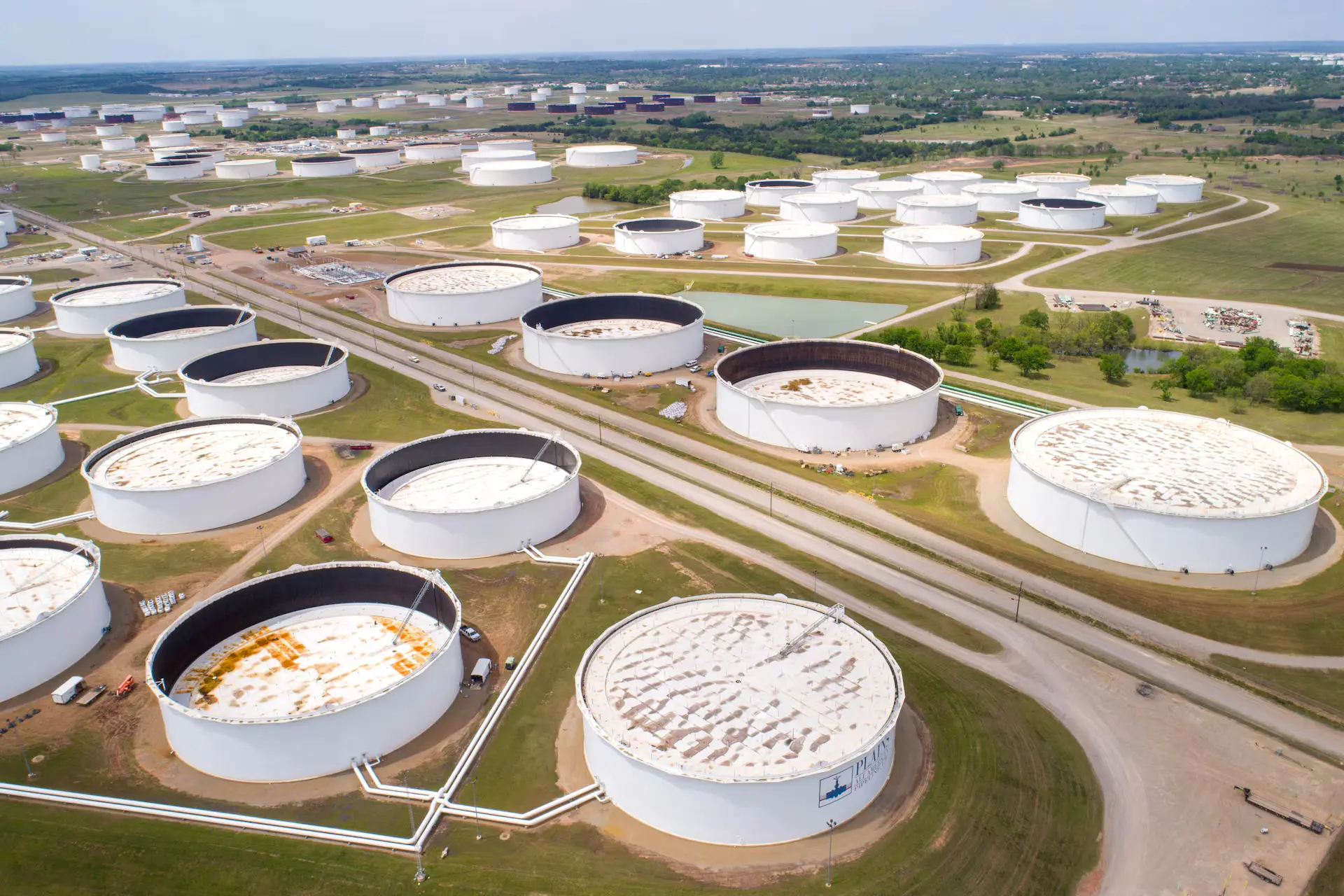
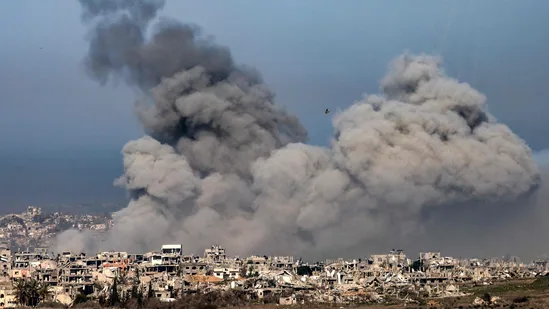
Oil prices moved sharply higher on Monday after fresh military action between Israel and Hezbollah increased fears of a wider conflict in the Middle East. The sudden rise in tensions pushed global energy markets into focus once again, as traders worried about possible disruptions in oil supply routes.U.S. crude oil prices jumped more than 2%, reaching close to per barrel in early trading. Brent crude also recorded a strong gain and crossed the mark after reports confirmed that Israeli troops had expanded operations deeper into Lebanon.
The latest developments came despite a ceasefire announced weeks ago. Although the agreement had briefly reduced tensions, clashes between Israeli forces and Hezbollah fighters never fully stopped. Over the past few days, the situation has worsened again, creating fresh uncertainty in global markets.Investors are especially concerned because the conflict is happening near one of the world’s most important oil regions. Any instability involving Iran, Israel, or Hezbollah quickly affects market sentiment since the Middle East plays a major role in global energy supply.
The Strait of Hormuz has once again become a major point of concern for traders and governments. The narrow sea route carries a large portion of the world’s oil exports, and fears of disruption there are adding pressure to prices. Analysts believe that even small threats around the route can trigger immediate reactions in the oil market.Market experts say traders are no longer focusing only on supply and demand numbers. Right now, geopolitical tensions are driving prices more than economic data. Even weaker manufacturing numbers from China failed to slow the rally in crude prices because investors remained focused on the Middle East crisis.
There are also growing doubts about whether diplomatic talks involving the United States and Iran will succeed. Hopes for a broader ceasefire had improved market confidence last month, but the latest military escalation has reduced expectations of a quick agreement.Energy analysts believe oil prices could remain volatile throughout the week if tensions continue to rise. Any further military activity or threat to shipping routes may push crude prices even higher in the coming days.Global markets are now closely monitoring the situation, as the ongoing conflict could have a direct impact on fuel prices, inflation, and transportation costs worldwide.
....By: My India Times
Updated At: 2026-06-01
Tags: home News | My India Times News | Trending News | Travel News
Join our WhatsApp Channel

Similiar News


















































.jfif)









.jpg)









US Supreme Court Rejects 26/11 Accused Tahawwur Rana’s Plea to Block Extradition to India
2025-03-08












































































.png)
 (1).png)