.webp)
Home / World / Scientists Start a Historic Anti-Aging Trial That Could Revolutionize Medicine: The First Human Receives Age-Reversal Injection
Scientists Start a Historic Anti-Aging Trial That Could Revolutionize Medicine: The First Human Receives Age-Reversal Injection
By: My India Times
4 minutes read 12Updated At: 2026-06-12

World’s First Human Trial Aims to Reverse Aging at the Cellular Level
Scientists have initiated the world's Scientists have initiated the world's first human trial of an experimental therapy intended to reverse aging at the cellular level, a ground-breaking development that could completely change the future of healthcare. The first patient has now received the treatment, which was created by the Boston-based biotechnology company Life Biosciences. This represents a significant turning point in the quickly expanding field of longevity research.
If the treatment turns out to be safe and effective, researchers think it may eventually lead to treatments that not only combat age-related illnesses but also restore cellular function throughout the human body.
The trial is regarded by medical experts as one of the most ambitious attempts to address biological aging, a process that has long been thought to be inevitable.
How the Revolutionary Age-Reversal Therapy Works
The experimental treatment is based on a cutting-edge scientific approach known as cellular reprogramming. Unlike traditional therapies that focus on treating symptoms, cellular reprogramming aims to address one of the root causes of aging by restoring damaged or aged cells to a younger and healthier state.
According to scientists, cells gradually lose vital biological information as people age, which results in decreased function, tissue damage, and heightened susceptibility to illness. The new therapy is designed to reactivate genetic pathways that may help cells regain some of their youthful characteristics.
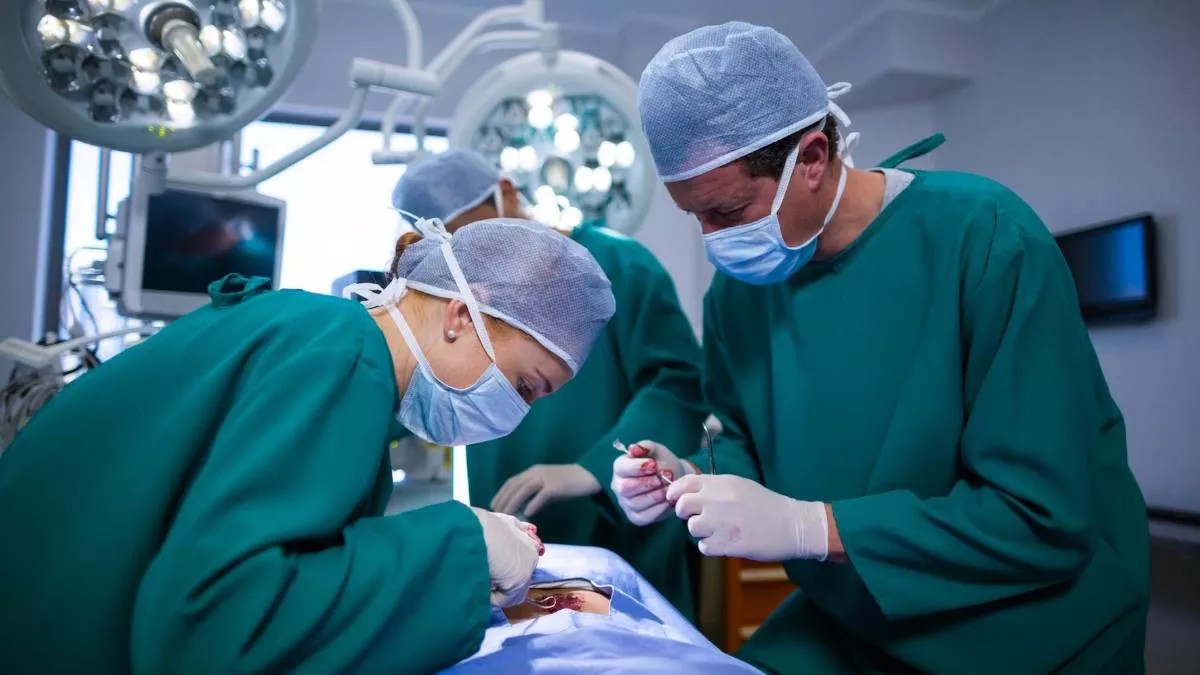
As part of the trial, doctors injected a single gene therapy dose directly into the patient's eye. Following the injection, the patient will undergo a carefully monitored course of medication intended to activate specific therapeutic genes responsible for initiating the rejuvenation process.
Researchers will monitor the patient closely over the next six months to evaluate both safety and potential benefits.
Why the Eye Was Chosen for the First Human Test
Choosing the eye as the initial target for human testing was one of the study's most crucial choices. Because the eye is relatively isolated from the rest of the body, scientists believe it provides a safer environment for early-stage gene therapy trials.
This allows researchers to observe changes more precisely while reducing the risk of widespread side effects. The eye also provides direct access to tissues affected by aging, making it an ideal testing ground for experimental regenerative therapies.
The patient participating in the trial has glaucoma, a condition that damages the optic nerve and is one of the leading causes of blindness worldwide. Researchers hope the treatment may help protect or restore cells that have been damaged by the disease.
Successful Animal Studies Paved the Way
Before receiving regulatory approval for human testing, the therapy underwent extensive studies in laboratory animals, including mice and non-human primates.
According to researchers, those studies produced encouraging results. In several cases, the treatment appeared to improve vision and restore cellular function in aging tissues. These findings generated significant excitement among scientists studying regenerative medicine and longevity.
However, experts caution that results achieved in animals do not always translate directly to humans. That is why the current trial is considered a crucial step in determining whether the technology can be used safely and effectively in people.
Could This Change the Future of Aging
The implications of a successful age-reversal therapy could be enormous. Instead of focusing solely on individual diseases such as Alzheimer's, Parkinson's, heart disease, or vision loss, scientists hope future treatments may address the underlying biological processes that contribute to many age-related conditions.
If cellular reprogramming works as intended, it could potentially help extend the period of healthy living, reduce the burden of chronic diseases, and improve quality of life for millions of people worldwide.
Life Biosciences CEO Jerry McLaughlin described the trial as a potentially transformative moment for both the company and the broader scientific community. He noted that the long-term goal is to develop therapies capable of rejuvenating cells throughout the body.
Billionaire Investors and Pharma Companies Fuel Longevity Research
Interest in anti-aging science has surged in recent years, attracting billions of dollars in investment from technology leaders and pharmaceutical giants.
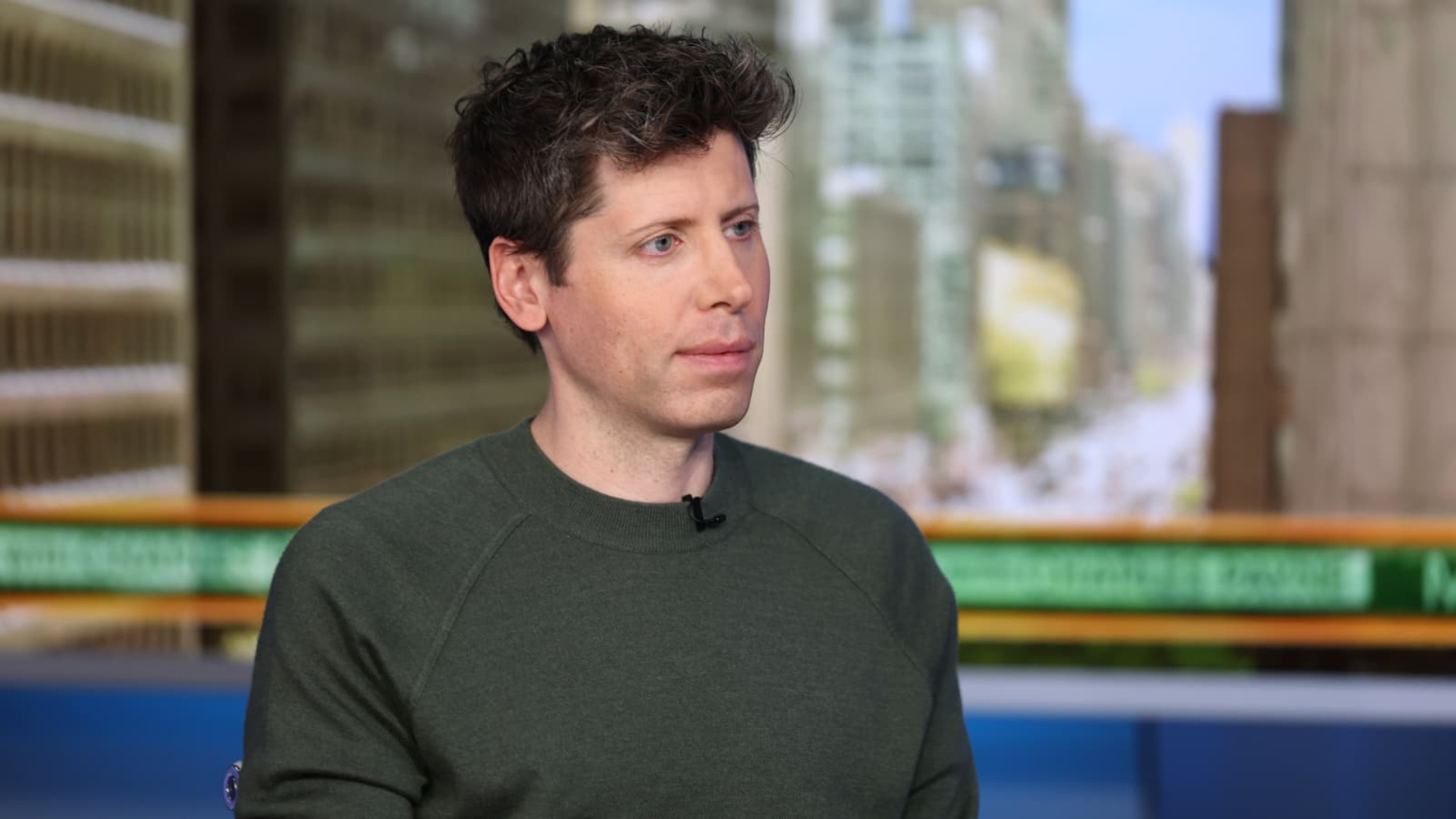
High-profile investors, including Amazon founder Jeff Bezos and OpenAI CEO Sam Altman, have backed companies working on longevity and regenerative medicine technologies. Major pharmaceutical firms are also increasing investments in age-related research as scientists uncover new insights into the biology of aging.
Many researchers now view aging itself as a treatable biological process rather than an inevitable part of life.
What Happens Next?
The coming months will be critical for the success of the trial. Researchers will carefully analyze safety data, monitor for side effects, and evaluate whether the therapy shows signs of restoring cellular function.
While experts caution that widespread anti-aging treatments remain years away, this first human trial represents a historic step forward. If successful, it could mark the beginning of a new era in medicine—one in which scientists are not only treating disease but also targeting the aging process itself.
....By: My India Times
Updated At: 2026-06-12
Tags: World News | My India Times News | Trending News | Travel News
Join our WhatsApp Channel





.jpg)





































































.png)
















.png)







.jfif)






























































































.png)
 (1).png)