.webp)
Home / World / Israel Captures Historic Beaufort Castle in Lebanon, Raising Fears of a Wider Middle East War
Israel Captures Historic Beaufort Castle in Lebanon, Raising Fears of a Wider Middle East War
By: My India Times
4 minutes read 10Updated At: 2026-06-02
.jpg "Israel Captures Historic Beaufort Castle in Lebanon, Raising Fears of a Wider Middle East War")
Israel Launches Biggest Military Push Into Lebanon in 26 Years
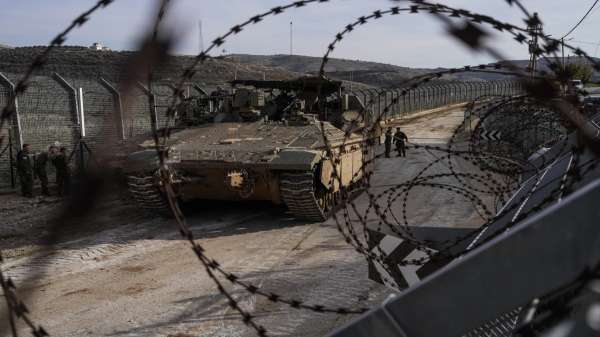
Tensions in the Middle East have escalated dramatically after Israeli forces reportedly captured the historic Beaufort Castle and nearby strategic hills in southern Lebanon. Images and videos released by Israeli officials showed soldiers raising the Israeli flag over the centuries-old fortress, signaling a major military victory for Israel.
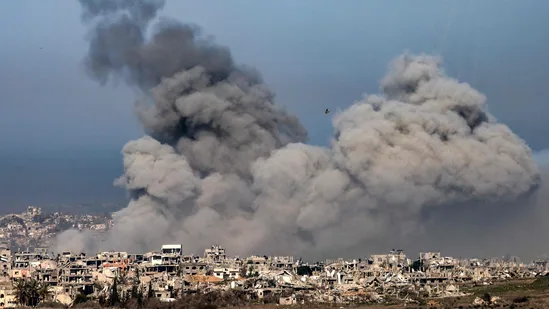
According to regional reports, this marks Israel’s deepest and most significant military incursion into Lebanese territory in the past 26 years. The operation comes amid growing instability across the Middle East, with increasing clashes involving Hezbollah, Iran, and the United States.
The latest developments have sparked fears that the region could be moving toward a much larger conflict.
Why Beaufort Castle Matters Strategically
Beaufort Castle is not just a historical landmark; it holds massive military importance due to its location. The fortress, believed to be around 900 years old, sits atop a hill nearly 700 meters above sea level in southern Lebanon.
From this elevated position, military forces can monitor large parts of southern Lebanon as well as northern Israel. Because of this advantage, the castle has long been viewed as one of the most strategically valuable locations in the border region.
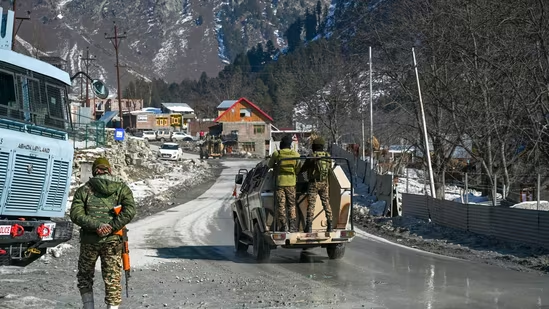
The site was previously used by Israeli forces during their occupation of southern Lebanon between 1982 and 2000. Military experts say controlling the fortress provides a tactical edge in surveillance, defense, and launching operations in the surrounding areas.
Heavy Airstrikes and Ground Battles Reported
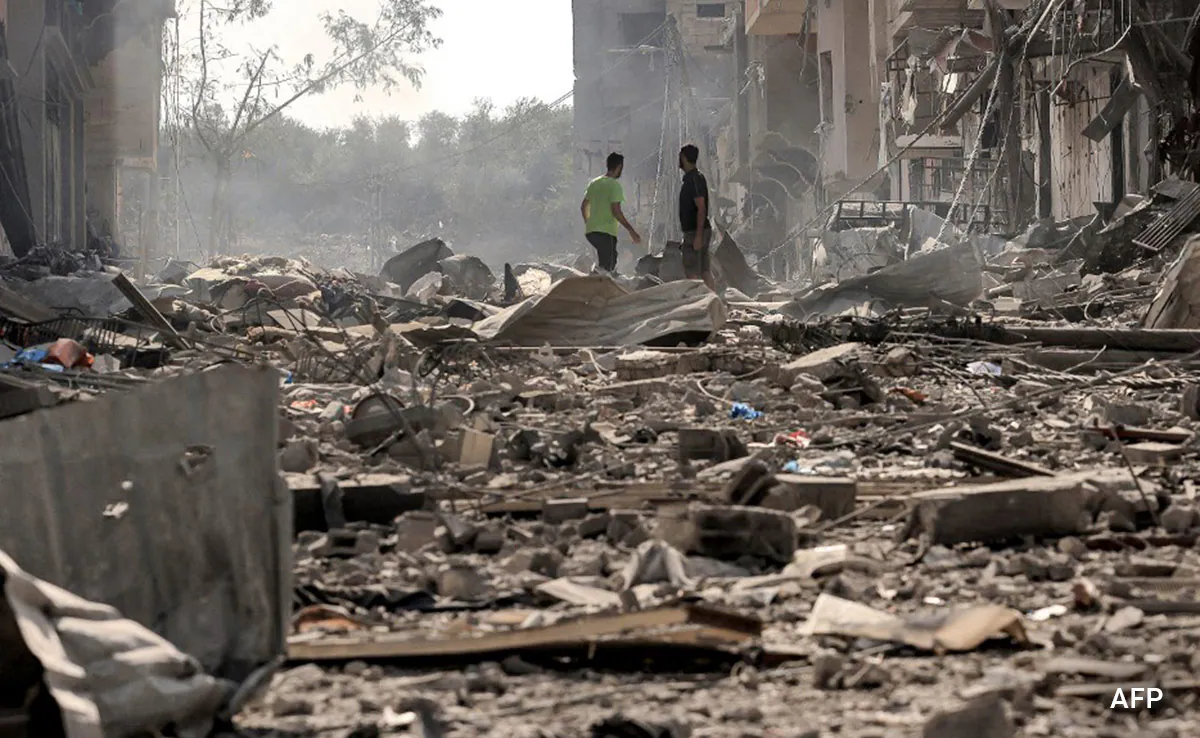
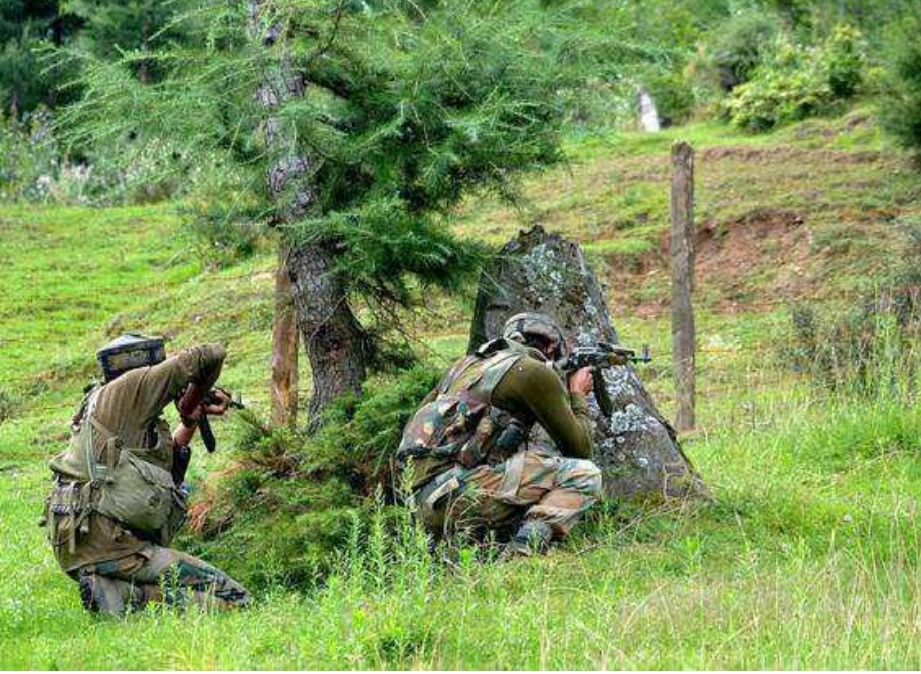
Israeli Defense Minister Israel Katz stated that the military gained control of the area after several days of intense fighting, including heavy airstrikes and ground operations against Hezbollah positions.
Israeli officials claimed the mission was aimed at weakening Hezbollah’s military infrastructure and securing the northern border. Reports from the region indicate that multiple villages near the castle witnessed fierce clashes before Israeli troops moved into the strategic hilltop location.
The operation has intensified concerns over the future of the fragile ceasefire between Israel and Lebanon.
Ceasefire Appears to Be Crumbling
Although a ceasefire agreement between Israel and Lebanon was announced on April 17, military activities have continued on both sides of the border. Drone attacks, missile launches, and cross-border strikes have repeatedly threatened the truce.
The seizure of Beaufort Castle now raises serious questions about whether diplomacy can still prevent a wider regional war.
Security analysts believe Israel may be attempting to increase pressure on Hezbollah before any potential diplomatic agreement between the United States and Iran takes shape. Hezbollah, which is backed by Iran, remains one of Israel’s strongest regional adversaries.
Iran-US Tensions Add Fuel to the Crisis
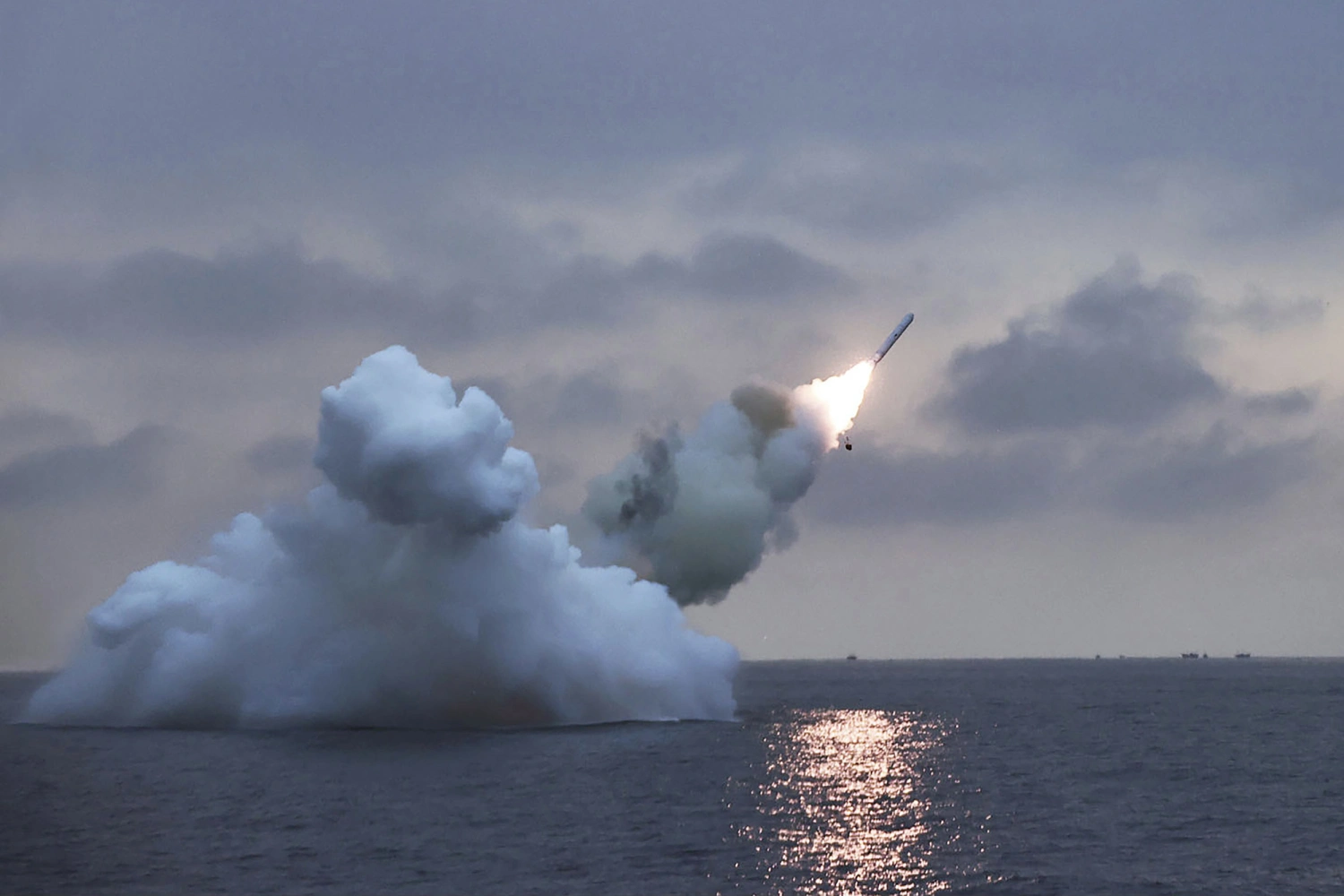
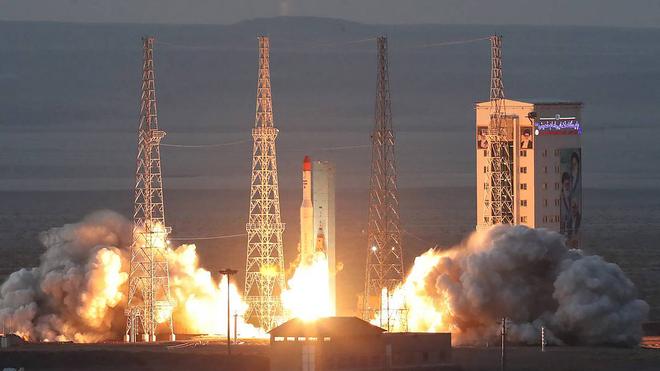
The situation became even more complicated after Iran’s Revolutionary Guard Corps (IRGC) claimed it had shot down an American MQ-1 drone that allegedly entered Iranian airspace.
While the United States has not officially confirmed the incident, the claim has further heightened tensions between Washington and Tehran.
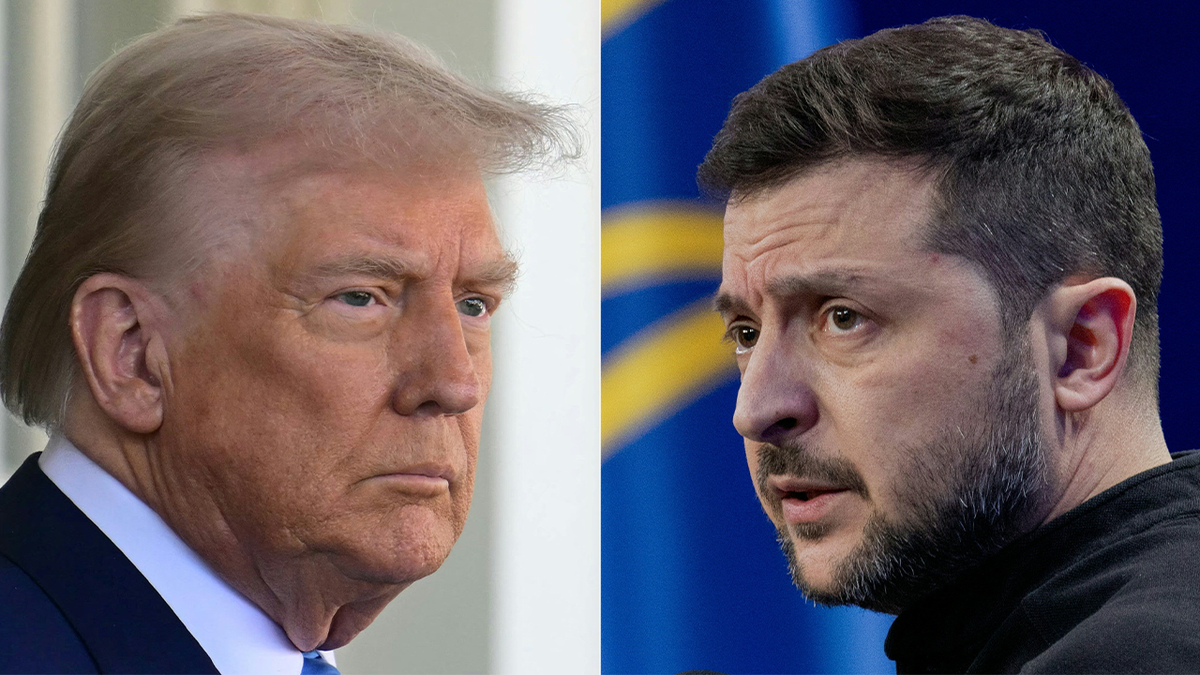
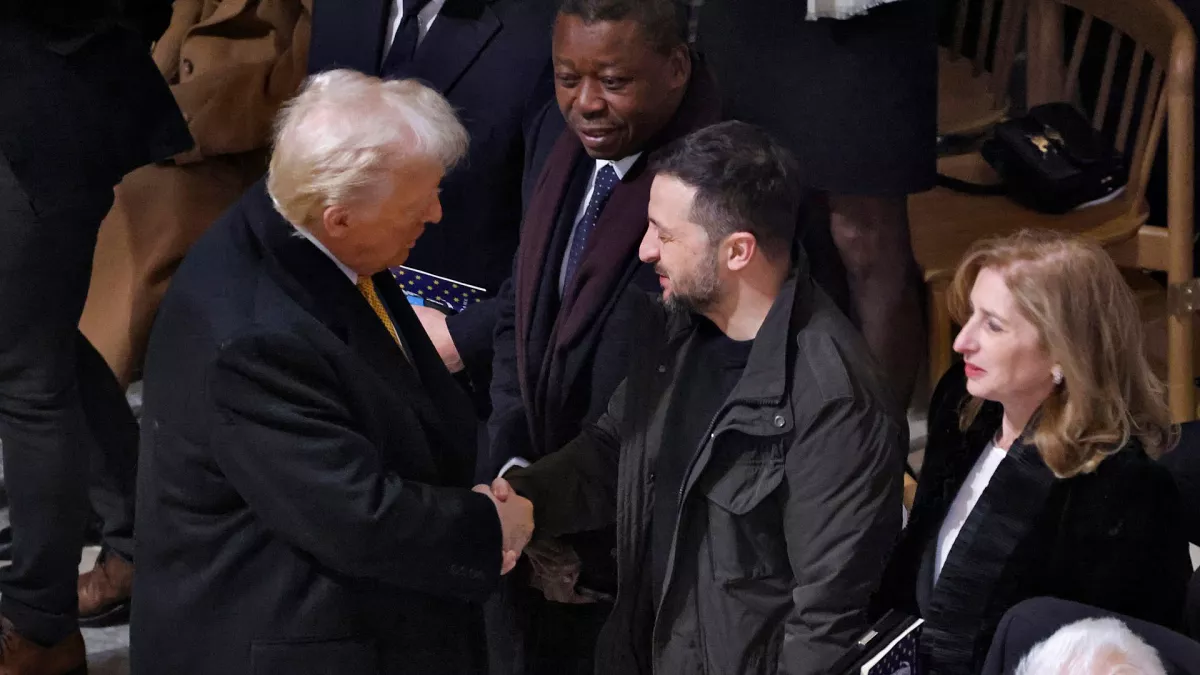
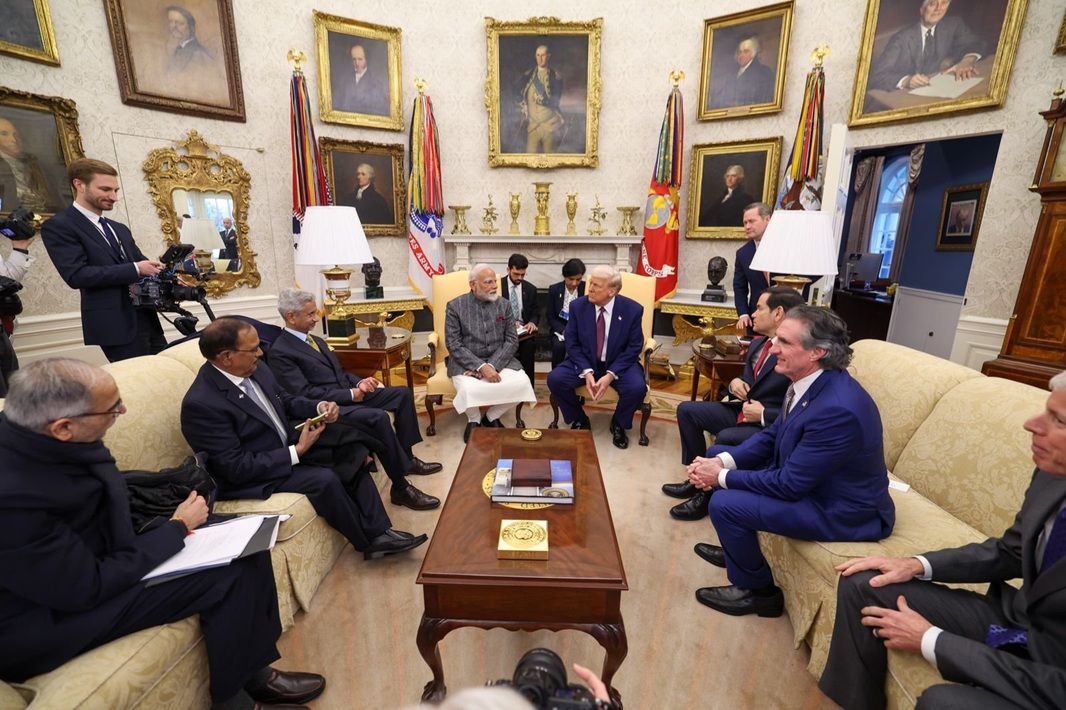
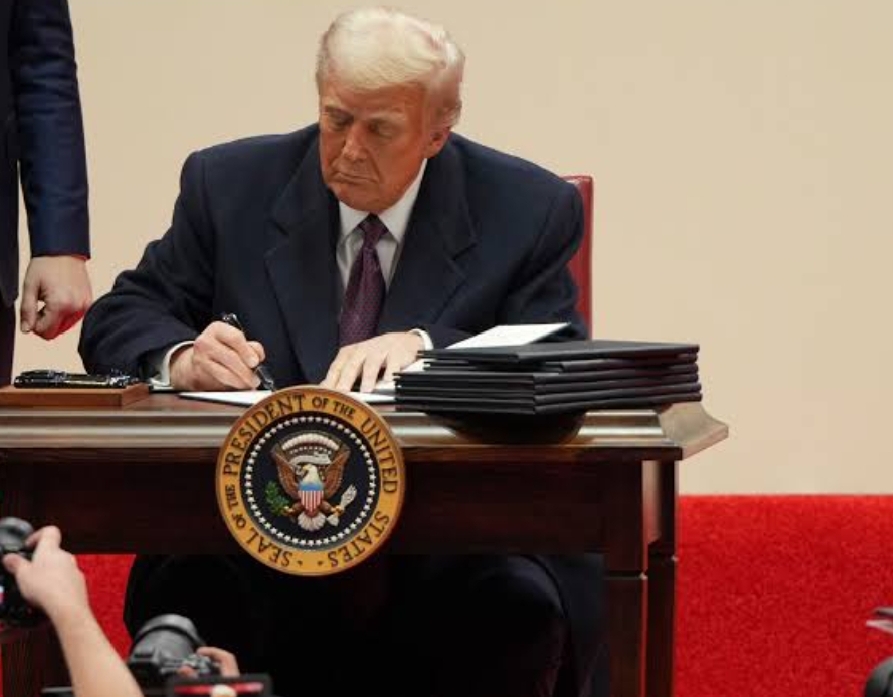
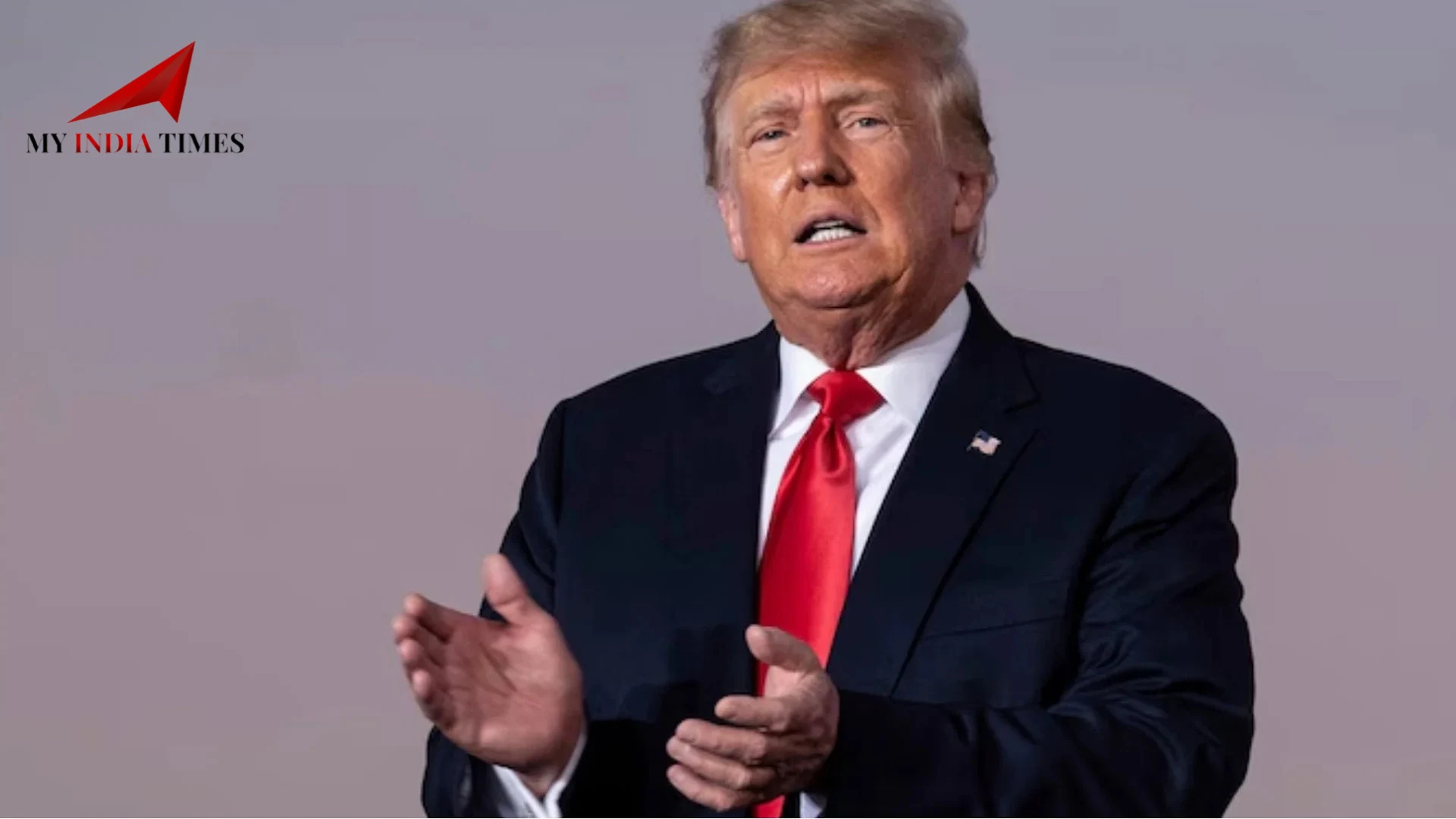
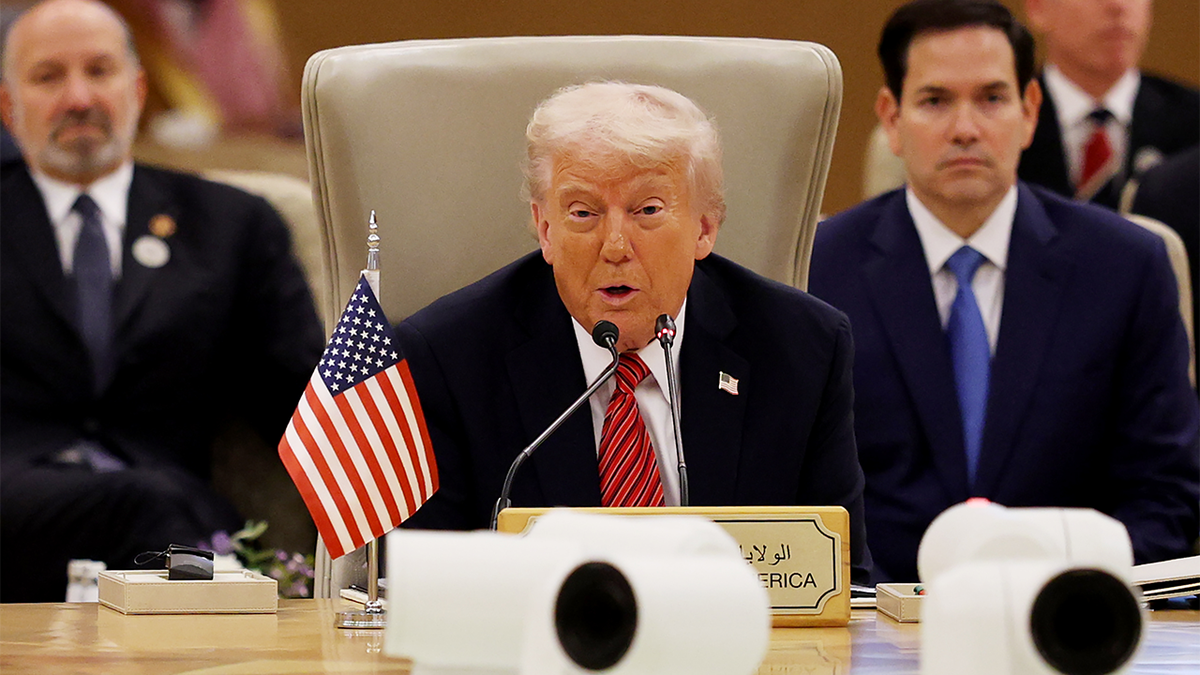
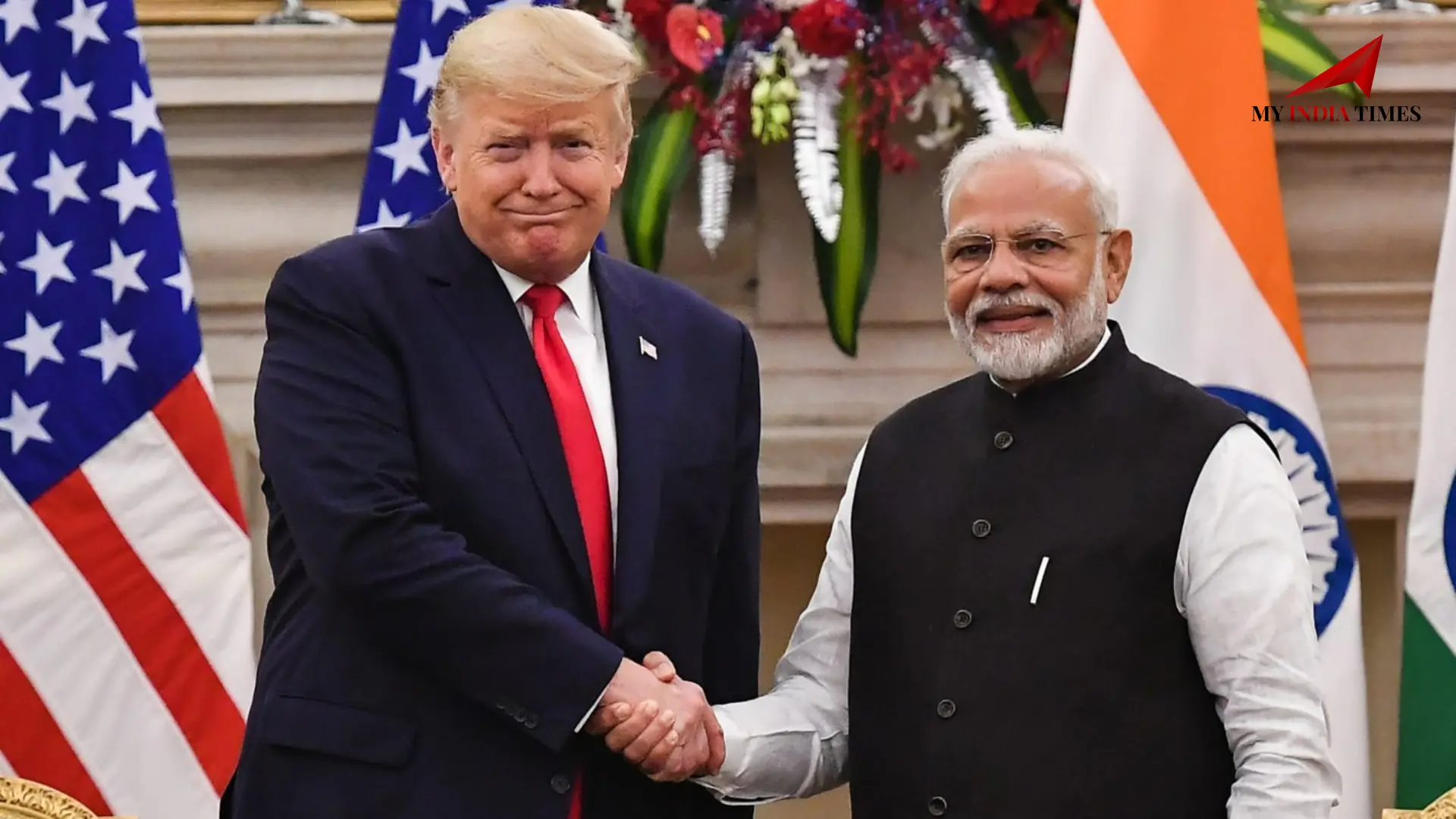
At the same time, former US President Donald Trump reportedly held a high-level meeting with senior officials in the White House Situation Room to discuss Iran and the worsening Middle East crisis. However, no final decision regarding a possible agreement with Tehran was announced after the meeting.
Political observers say Washington appears divided over whether to pursue diplomacy or prepare for stronger military action.
US Defense Secretary Issues Stern Warning
US Defense Secretary Pete Hegseth issued a sharp warning to Iran, saying Tehran must either accept diplomatic solutions or be prepared to face military consequences.
His comments added to fears that direct confrontation between the US and Iran could become a real possibility if tensions continue to rise.
Meanwhile, Mohsen Rezaei, an adviser to Iran’s Supreme Leader, accused the United States of undermining diplomacy. He claimed that ongoing naval pressure and economic restrictions by Washington were damaging trust during sensitive negotiations.
Fresh Security Threat in the Strait of Hormuz
Another alarming development emerged after Oman reported spotting a suspected floating sea mine in the Strait of Hormuz. Authorities warned commercial ships and fishermen operating in the area to remain cautious.
The Strait of Hormuz is one of the world’s most critical oil shipping routes, with a large percentage of global crude oil supplies passing through the narrow waterway every day.
Any military escalation or disruption in the strait could trigger sharp increases in global oil prices and impact international trade markets.
Middle East on Edge as Global Concerns Grow
The capture of Beaufort Castle has once again placed the Middle East at the center of global attention. Rising military activity along the Israel-Lebanon border, increasing hostility between Iran and the United States, and growing threats to maritime security are creating fears of a broader regional conflict.
International observers warn that even a small miscalculation could ignite a major war involving multiple countries.
For now, the world is closely watching developments in the region as diplomatic efforts struggle to contain one of the most dangerous geopolitical crises of recent years.
....By: My India Times
Updated At: 2026-06-02
Tags: World News | My India Times News | Trending News | Travel News
Join our WhatsApp Channel









































.png)











.png)



.jfif)











































































.png)
 (1).png)