.webp)
Home / world / Robotic Warfare and Human Rights: Ukraine’s Deployment of 10,000 UGVs Amid Russia-Ukraine Conflict
Robotic Warfare and Human Rights: Ukraine’s Deployment of 10,000 UGVs Amid Russia-Ukraine Conflict
By: My India Times
2 minutes read 151Updated At: 2024-12-06
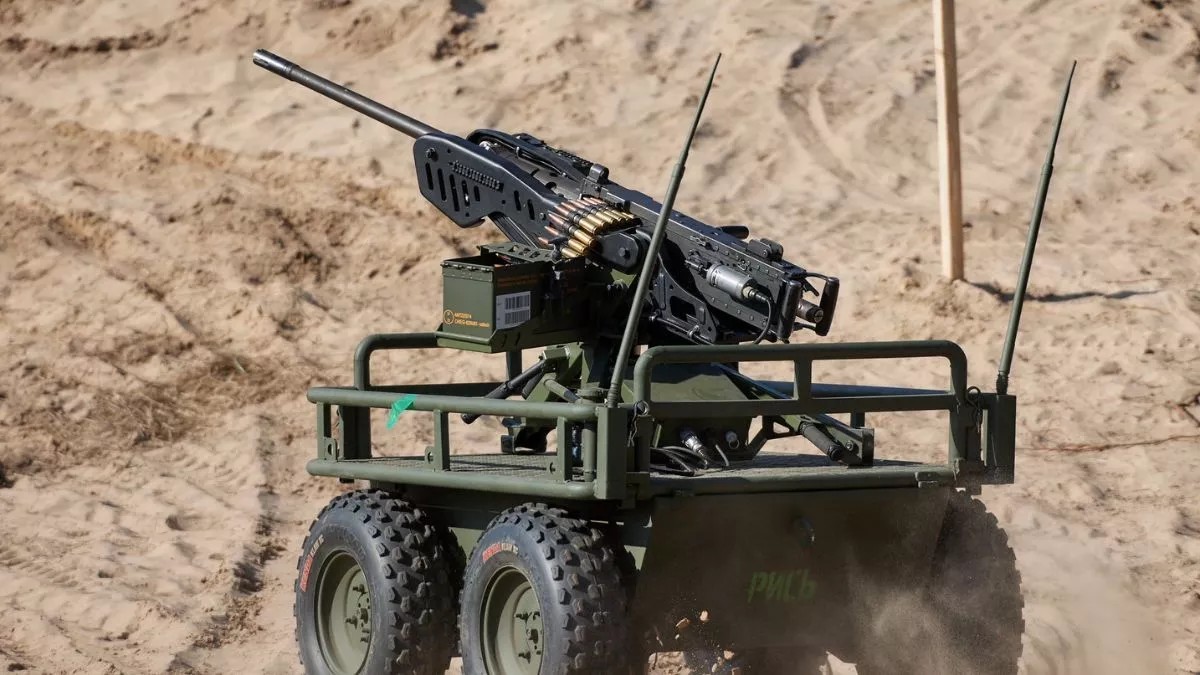
The ongoing Russia-Ukraine conflict, now spanning more than two and a half years, has introduced a new dimension to warfare, blending technology and human rights considerations. In response to soldier shortages and relentless Russian attacks, Ukraine plans to deploy 10,000 unmanned ground vehicles (UGVs) to the battlefield. This move aims to protect human life, improve operational efficiency, and raise critical human rights questions about warfare ethics.
Ukraine’s Tactical Shift: Robots on the Frontline
Ukraine's Deputy Prime Minister for Innovation, Mykhailo Fedorov, recently confirmed the deployment of UGVs designed for tasks ranging from ammunition delivery to the evacuation of wounded soldiers. These robotic platforms are set to reduce the exposure of human soldiers to direct combat, potentially saving thousands of lives.
Enhanced Safety: Robots will navigate high-risk zones, ensuring that human soldiers remain shielded from direct attacks.
Efficient Operations: UGVs are equipped to transport supplies, manage reconnaissance missions, and provide logistical support.
Combat Training: Dedicated centers have been established to train personnel in operating and maintaining these advanced systems.
Human Rights at the Core of Robotic Warfare
1. Right to Life and Safety
The integration of UGVs prioritizes the protection of soldiers’ lives, reflecting a commitment to their right to life and safety. By minimizing human casualties, Ukraine underscores the importance of safeguarding its citizens during war.
2. Humanitarian Aid
UGVs are equipped to evacuate injured soldiers swiftly and efficiently, providing them timely medical care. This aligns with the principle of prioritizing health and well-being, even amid conflict.
3. Ethical Dilemmas
The use of robotic technology in warfare introduces questions about accountability. How can international humanitarian law regulate unmanned systems? Ensuring these tools are used ethically remains a significant challenge.
Balancing Innovation with Accountability
While the deployment of robots in warfare offers undeniable advantages, it also highlights the need for clear international frameworks. Misuse of autonomous technologies could lead to unintended human rights violations, calling for global consensus on their ethical use.
Looking Ahead: The Role of Technology in Human Rights
Ukraine’s decision serves as a pivotal moment in modern warfare, showcasing how technology can simultaneously advance military objectives and protect human rights. However, it also demands ongoing vigilance to ensure that such innovations remain tools for protection rather than oppression.
....By: My India Times
Updated At: 2024-12-06
Tags: world News | My India Times News | Trending News | Travel News
Join our WhatsApp Channel





.jpg)
















































.png)










.png)



.jfif)





































































.png)
 (1).png)