.webp)
Home / world / Bangladesh on the Brink of Major Political Change: A Step Toward Extremism
Bangladesh on the Brink of Major Political Change: A Step Toward Extremism
By: My India Times
3 minutes read 129Updated At: 2024-12-31
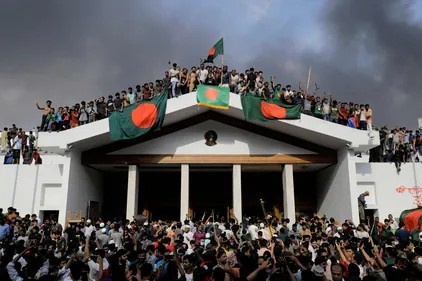
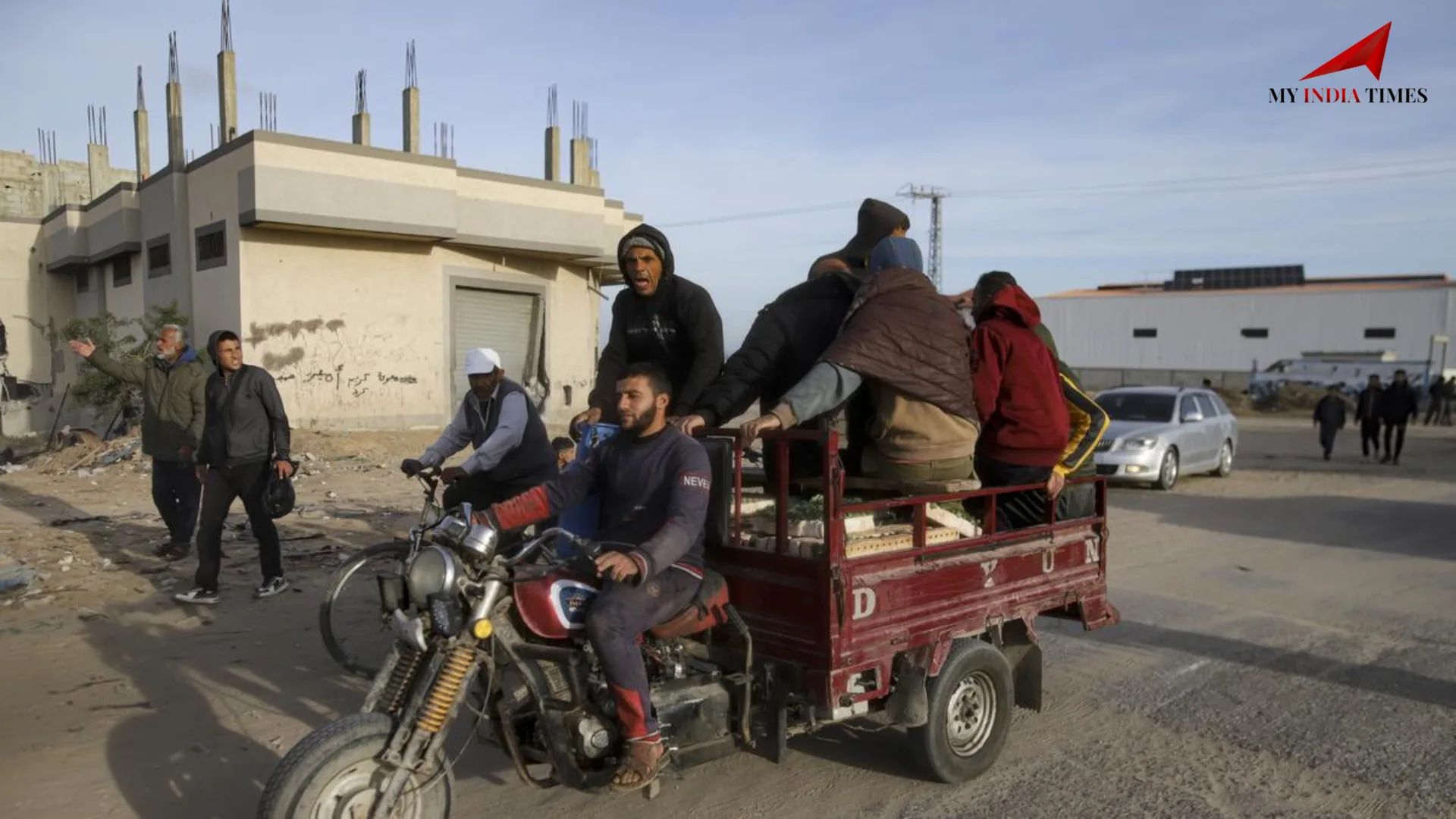
December 31, 2024, Dhaka: Bangladesh stands on the threshold of a historic and political transformation. Reports suggest that today, the constitution established in 1972 under Sheikh Mujibur Rahman may be abolished. Along with this, discussions are gaining momentum about the dissolution of key positions such as the President and the Army Chief. These developments have become a matter of concern not only for Bangladesh but also for India and the entire South Asian region.
Farewell to the Constitution and the Rise of Extremism
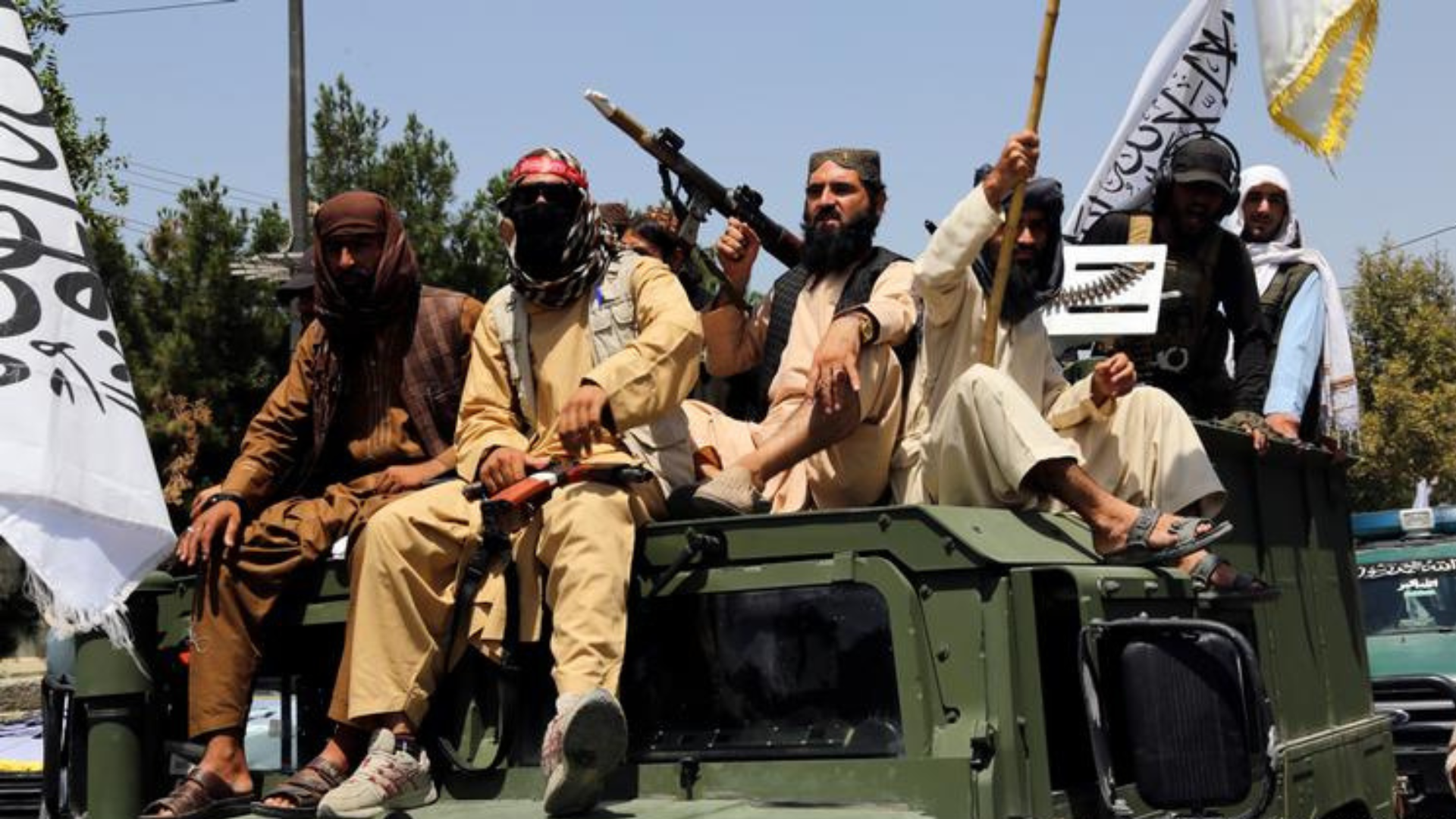
The current state of affairs in Bangladesh indicates that the country might be entering an era of extremism. Declaring the 1972 constitution a "Mujibist law," student leader Hasnat Abdullah has expressed intentions to abolish it. He stated, "This constitution allows India to interfere in our internal matters. We will abolish it and bury it in history.Today, at Dhaka's Central Shaheed Minar, a significant announcement is expected under the leadership of the student organization "Students Against Discrimination." It is believed that a blueprint for a "New Bangladesh" will be presented, outlining the country's future political and social trajectory.
The Crisis Following Sheikh Hasina's Resignation
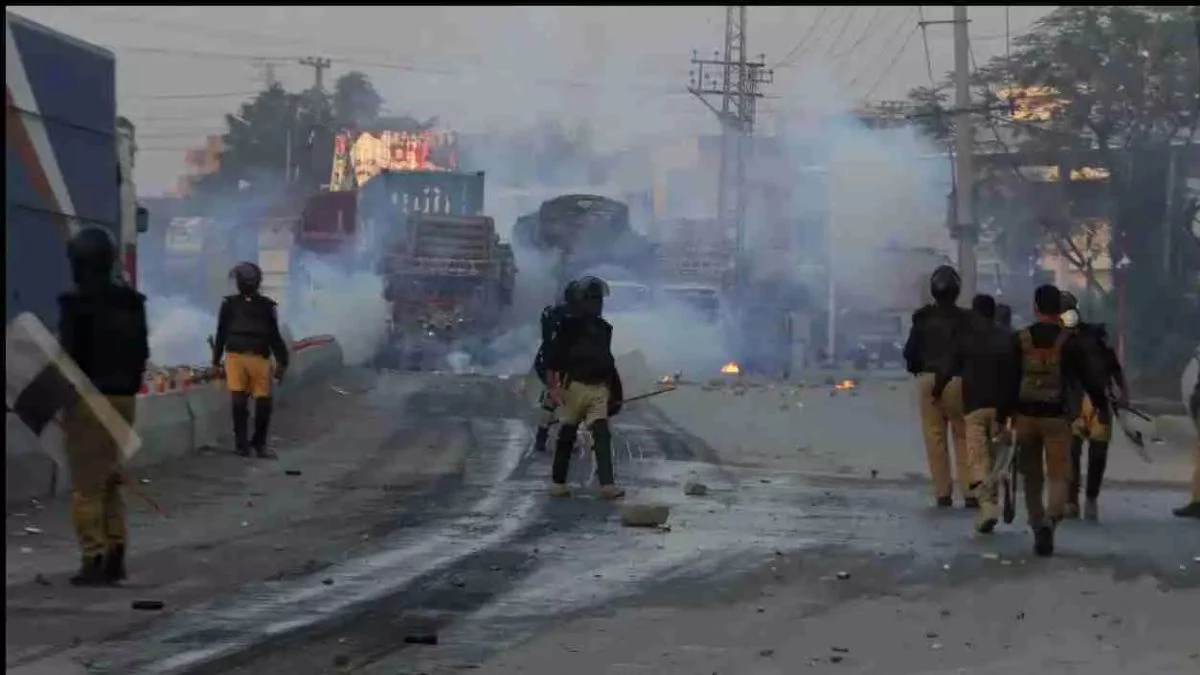
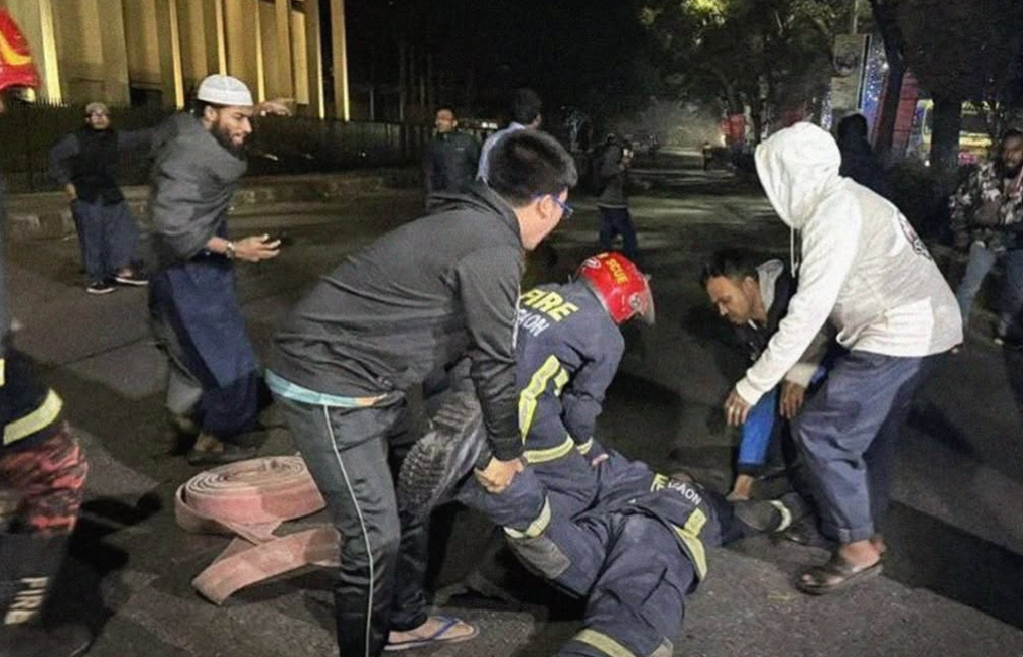
In July this year, Bangladesh witnessed large-scale protests against Sheikh Hasina's government. This movement may soon be recognized as a "revolution," echoing similarities to the Iranian Revolution. The upheaval shook the power structure, forcing Sheikh Hasina to resign and seek refuge in India.The student organization that led these protests is now planning to lay the foundation for a new constitution and republic in Bangladesh. Meanwhile, reports of interim government leader and Nobel laureate economist Muhammad Yunus promoting extremist forces have raised additional concerns.
Rising Challenges for India
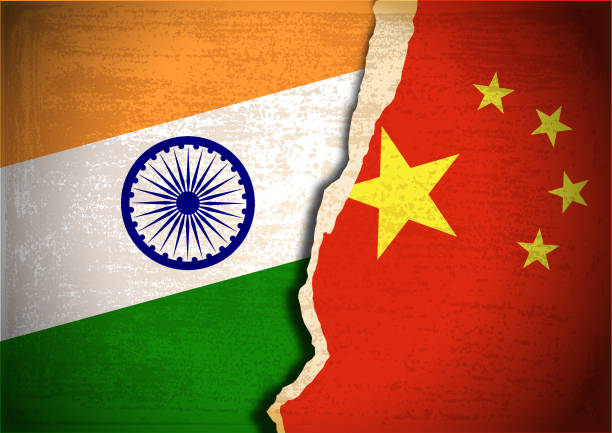
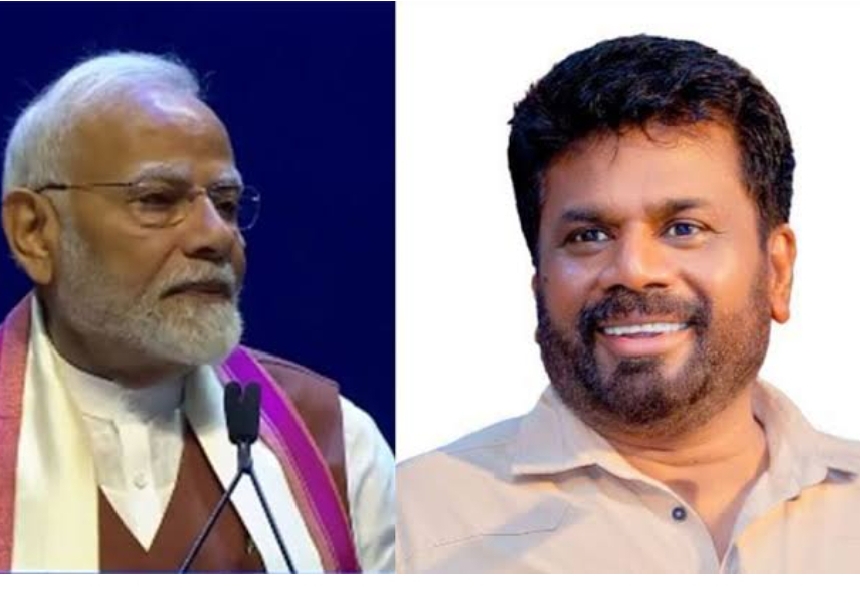
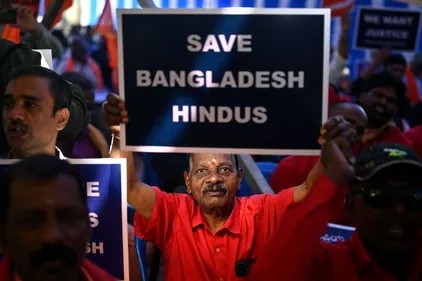
The constitutional and structural changes in Bangladesh are also a matter of deep concern for India. Currently, there is no elected government in Bangladesh, and the interimgovernment remains unstable.The instability in Bangladesh could create several challenges for India, including border security issues, a potential refugee crisis, and the rising influence of extremist forces. Furthermore, India may face difficulty in determining who to engage with for dialogue in Bangladesh.
Islamic State or Secular Republic
The most pressing question about Bangladesh's future is whether the new constitution will transform the country into an Islamic republic or retain its secular status. For now, extremist forces seem to be gaining prominence in the country's political landscape.Pakistan’s role in these developments is also under scrutiny. Reports suggest that leaders of the student movement are in contact with the Pakistani embassy. This raises alarm bells for India and other neighboring countries.
International Concerns and Potential Consequences
Several countries, including the United States, have expressed concerns about the rising extremism in Bangladesh. Experts believe that if these changes materialize, they could severely impact stability in South Asia.Abolishing the constitution and key positions such as the Army Chief and President could weaken the country's internal security and pose a significant threat to regional peace.
The Announcement in Dhaka and a New Direction
Student leader Hasnat Abdullah has claimed that a major announcement about Bangladesh’s future will be made on the afternoon of December 31 at Dhaka's Central Shaheed Minar. He stated, "From Dhaka, we will send a message that will be important not only for Bangladesh but for the entire world.What direction Bangladesh will take after this announcement remains to be seen. Will it move toward becoming an Islamic republic, or will it emerge as a new secular state? Only time will tell.
....
By: My India Times
Updated At: 2024-12-31
Tags: world News | My India Times News | Trending News | Travel News
Join our WhatsApp Channel




.jpg)














































.png)












.png)




.jfif)




















































.png)
 (1).png)