.webp)
Home / world / Australia on High Alert as Bird Flu Cases Trigger Fresh Testing; Papua New Guinea Suspends Poultry Imports
Australia on High Alert as Bird Flu Cases Trigger Fresh Testing; Papua New Guinea Suspends Poultry Imports
By: My India Times
3 minutes read 4Updated At: 2026-06-24

H5N1 outbreak prompts intensified surveillance as authorities race to prevent wider spread
Sydney: Australian authorities have stepped up monitoring and testing efforts after confirming cases of the highly pathogenic H5N1 bird flu virus, raising concerns about the disease's potential spread across new regions of the country. The latest developments have prompted neighbouring Papua New Guinea to temporarily halt poultry imports from Australia, dealing a fresh blow to exporters already facing uncertainty following the detection of the virus. Following the discovery of dead seabirds and a pelican along South Australia's coastline, health and agriculture officials are currently conducting comprehensive monitoring in numerous parts of the nation. Laboratory testing is underway to identify whether the birds were infected with the same H5N1 virus that was recently detected in Western Australia.
Authorities Expand Monitoring Efforts
Officials say the discovery of additional dead birds has led to a significant increase in monitoring activities. While drone inspections are being utilized to evaluate wildlife populations in remote areas, teams have been sent to investigate coastal areas. The focus remains on identifying any signs that the virus may be spreading among wild bird populations. Investigations are ongoing as a precaution, but authorities have emphasized that no new confirmed cases have been reported in South Australia thus far. Early detection, according to agriculture experts, will be crucial in keeping the virus from infecting commercial chicken operations.
Poultry Industry Faces Fresh Concerns
The confirmation of bird flu cases has already started affecting trade. Australia's largest overseas market for chicken goods, Papua New Guinea, declared an immediate halt to poultry imports while keeping an eye on the situation. Although industry representatives note that Australia's poultry farms have not reported any outbreaks connected to the current instances, the move has alarmed producers. In an effort to address concerns about the limits and offer updated information, government agencies are currently collaborating with Papua New Guinea authorities.
Why H5N1 Is Being Closely Watched
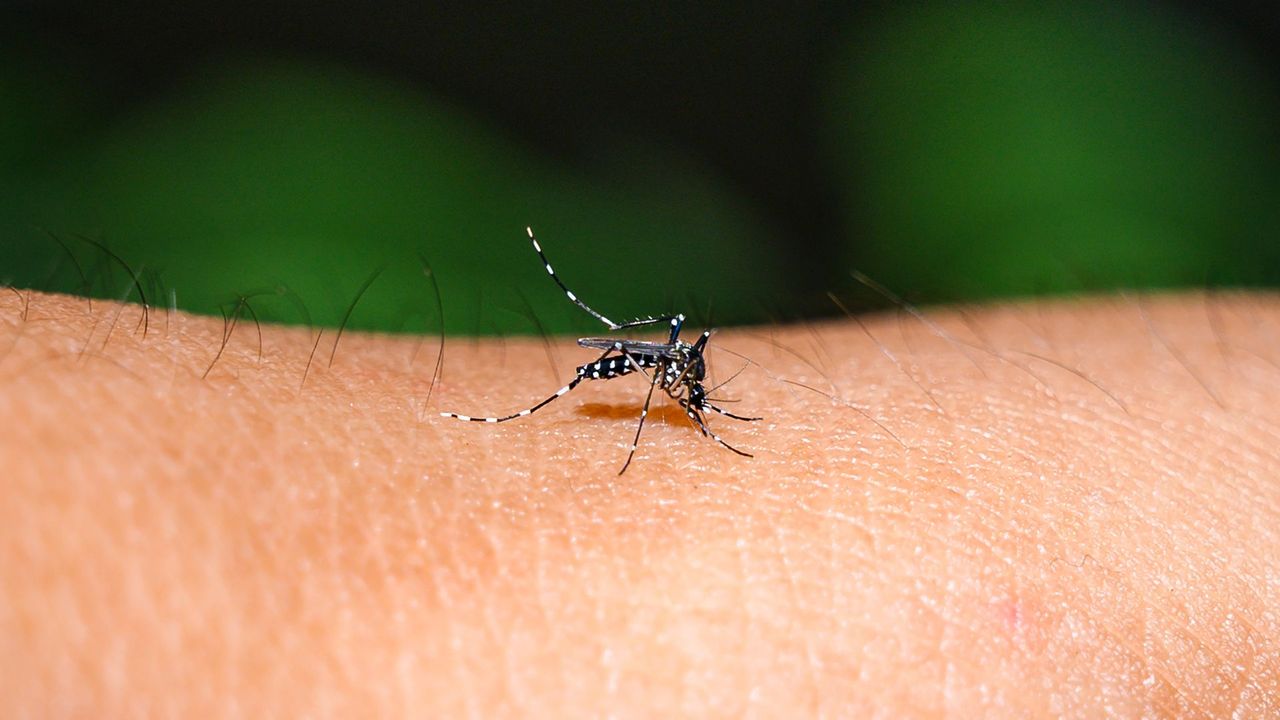
The H5N1 avian influenza strain has caused major disruptions worldwide in recent years. Millions of birds have died as a result of the virus in Asia, Europe, North America, and portions of South America, impacting food supplies and raising the price of eggs and chicken products. Health professionals continue to keep an eye on the virus despite the fact that human infections are still rare due to its capacity to spread over great distances among wild bird populations. Until recently, mainland Australia had largely avoided the outbreaks seen in many other countries. The latest detections have therefore attracted significant attention from scientists and biosecurity officials.
Australia Strengthens Biosecurity Measures
In response to growing concerns, Australian authorities have expanded testing programs and strengthened biosecurity protocols. Surveillance of migratory birds has increased, while emergency response exercises are being conducted to prepare for any potential escalation. Wildlife experts are also monitoring vulnerable animal populations, particularly in coastal regions where infected birds could come into contact with other species. Officials have urged members of the public to report any unusual sightings of sick or dead birds and avoid direct contact with wildlife.
What Happens Next?
Test results from the latest bird samples are expected in the coming days and could provide a clearer picture of whether the virus is spreading beyond the areas where initial cases were detected. For now, authorities maintain there is no evidence of widespread transmission, but they acknowledge the situation remains fluid. The coming weeks will be crucial in determining whether Australia can contain the outbreak before it reaches commercial poultry farms. As countries around the world continue battling recurring outbreaks of avian influenza, Australia's response is being closely watched by both trading partners and public health experts.
....Independent reporting, fact-checked analysis and breaking news coverage from India and around the world.
Trusted source for breaking news, business, technology, world affairs, finance, economy, health, sports and market insights from India and around the globe.
Join our WhatsApp Channel


.jpg)





.jpg)






























































.png)
















.png)






.jfif)


























































































.png)
 (1).png)