.webp)
Home / World / Pakistan Warns India Over Indus Waters Treaty Suspension, Says Water Security Could Trigger Conflict
Pakistan Warns India Over Indus Waters Treaty Suspension, Says Water Security Could Trigger Conflict
By: My India Times
4 minutes read 1Updated At: 2026-06-22

Pakistan Reacts Strongly to India's Decision on Indus Waters Treaty
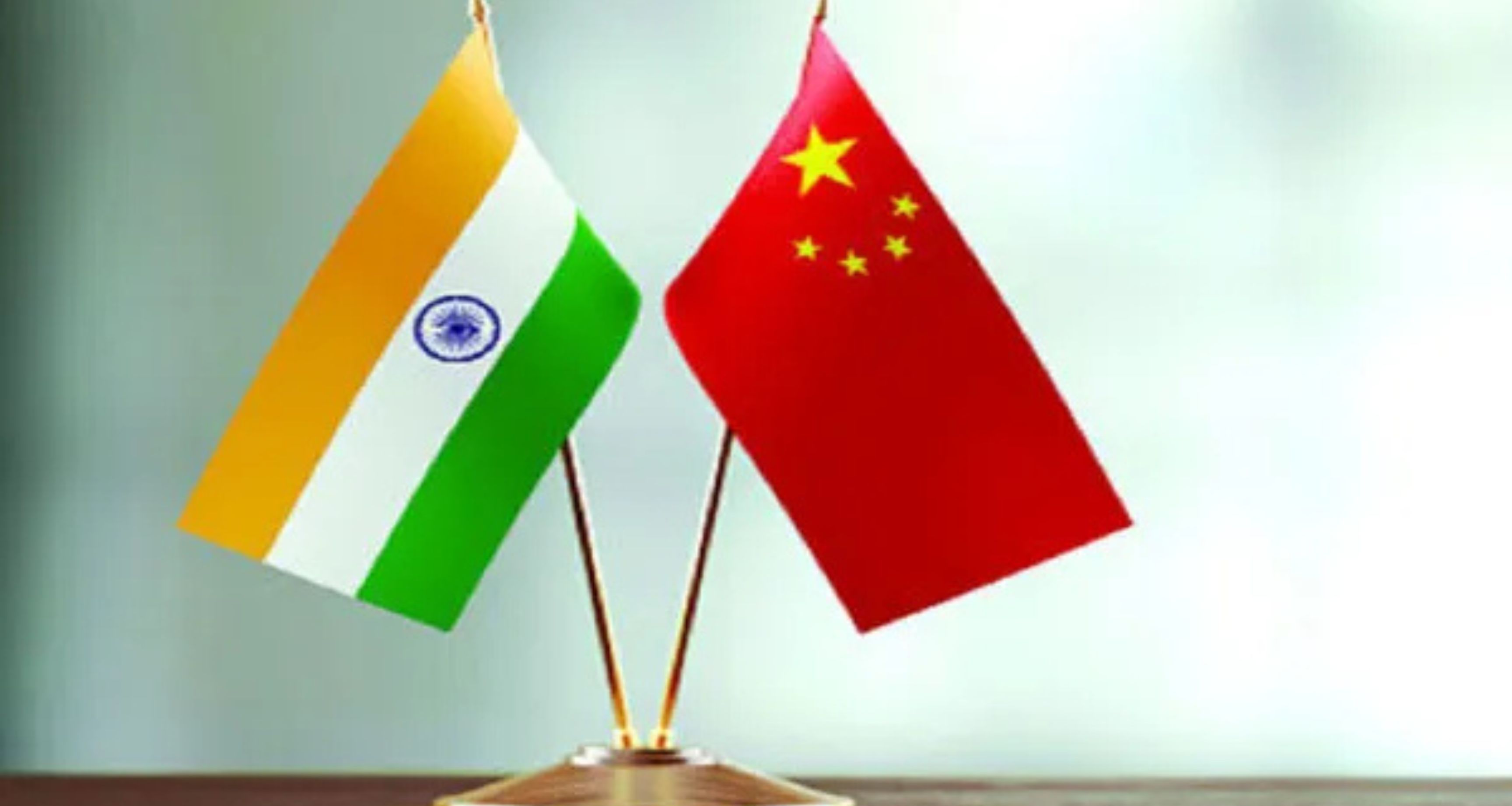
Tensions between India and Pakistan have once again intensified after Pakistan's Defence Minister Khawaja Asif issued a sharp warning regarding the suspension of the Indus Waters Treaty (IWT).
Speaking to a Pakistani television channel, Asif stated that water is directly linked to Pakistan's national security and any attempt to significantly restrict water availability could be viewed as a serious threat.
His remarks come amid growing concerns in Pakistan over India's decision to keep the historic water-sharing agreement suspended following the deadly terror attack in Pahalgam, Jammu and Kashmir, in April 2025. The attack claimed the lives of 26 people and triggered a series of diplomatic and strategic responses from New Delhi.
What Did Pakistan's Defence Minister Say
Khawaja Asif emphasized that water is not merely an economic resource but a matter of national survival for Pakistan.
He recommended that Pakistan take into account all of its options, including military action, if it believes that its water rights are being violated.
The Indus Waters Treaty, which has survived multiple wars and decades of political animosity between the two neighboring countries, has long been regarded as one of the most successful water-sharing agreements in the world, which is why the statement has garnered international attention.
Why Did India Suspend the Indus Waters Treaty
India's decision to suspend the treaty came in the aftermath of the Pahalgam terror attack. Indian authorities argued that continued cross-border terrorism made it difficult to maintain normal bilateral agreements. New Delhi has maintained that meaningful action against terrorism is essential before any reconsideration of the treaty's status.
The move marked one of the most significant developments in India-Pakistan relations in recent years. The suspension has sparked worries about the future management of shared water resources, even though India has not declared an immediate halt to river flows.
Understanding the Indus Waters Treaty
The Indus Waters Treaty was signed on September 19, 1960, after years of negotiations facilitated by the World Bank. The agreement was signed by Indian Prime Minister Jawaharlal Nehru and Pakistani President Ayub Khan.
Under the treaty, six rivers of the Indus River System were divided between the two countries. India received primary rights over the eastern rivers—Ravi, Beas, and Sutlej—while Pakistan was granted rights over the western rivers—Indus, Jhelum, and Chenab, although India retained limited usage rights under specific conditions.
For more than six decades, the treaty has served as a crucial framework for managing water resources in the region despite ongoing political disputes.
Why Is the Treaty So Important for Pakistan
Pakistan's agriculture sector heavily depends on water from the Indus River System. Nearly 90 percent of the country's irrigated farmland relies on these rivers, making them vital for food production, rural livelihoods, and economic stability.
Agriculture contributes significantly to Pakistan's economy and supports millions of families across the country. Any reduction in water availability could affect crop yields, increase food prices, and place additional pressure on an economy already facing multiple challenges.
Experts note that uncertainty regarding water supplies could have long-term consequences for agricultural planning and investment in the country.
Potential Impact on Hydropower and Industry
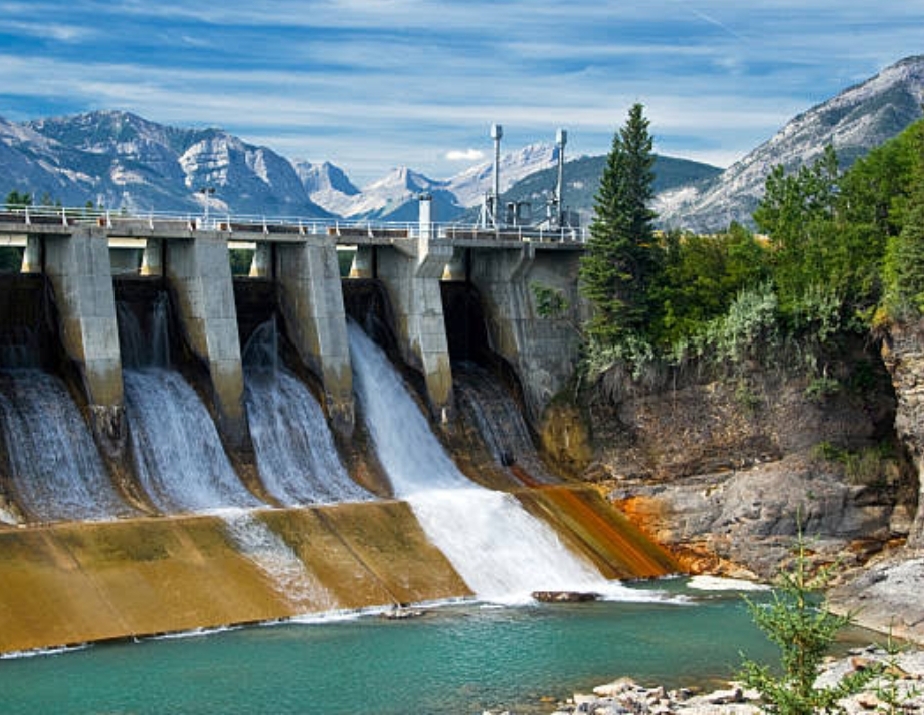
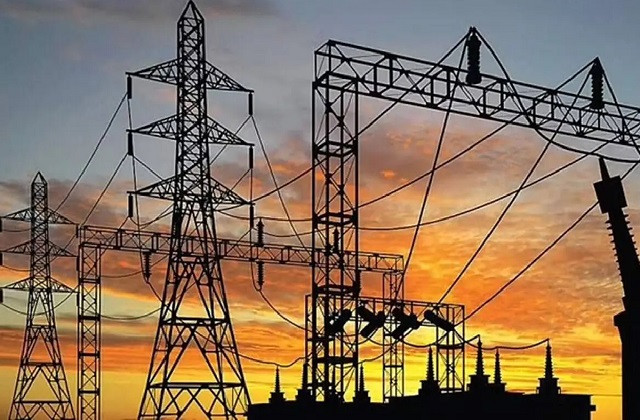
The Indus River System is also critical for Pakistan's energy sector. Major reservoirs and hydropower projects, including Tarbela and Mangla dams, depend on consistent river flows.
A decline in water availability could reduce electricity generation capacity, potentially affecting industries, businesses, and households. Energy shortages could further impact economic growth and employment opportunities, especially in regions that already experience power supply challenges.
Rising Diplomatic Concerns in South Asia
The latest exchange of statements highlights the growing strain in India-Pakistan relations. Analysts believe that water security is becoming an increasingly important geopolitical issue as climate change, population growth, and rising demand place pressure on shared natural resources.
While political rhetoric has intensified, many experts argue that dialogue and diplomatic engagement remain the most practical path forward. Water disputes involving millions of people require long-term cooperation rather than confrontation.
What Happens Next
The future of the Indus Waters Treaty remains uncertain. India continues to link any restoration of normal bilateral arrangements to action against terrorism, while Pakistan insists that water rights must remain protected under international agreements.
As both countries maintain firm positions, the treaty has become a central issue in regional diplomacy. The coming months will be closely watched by policymakers, security experts, and international observers, as any developments could have significant implications for water security, regional stability, and India-Pakistan relations.
....Independent reporting, fact-checked analysis and breaking news coverage from India and around the world.
Trusted source for breaking news, business, technology, world affairs, finance, economy, health, sports and market insights from India and around the globe.
Join our WhatsApp Channel


.jpg)





.jpg)




























































.png)















.png)





.jfif)














































































.png)
 (1).png)