.webp)
Home / World / Afghanistan Strikes Inside Pakistan After Border Tensions, Taliban Says ISIS-K Bases Were Targeted
Afghanistan Strikes Inside Pakistan After Border Tensions, Taliban Says ISIS-K Bases Were Targeted
By: My India Times
3 minutes read 15Updated At: 2026-07-01

Afghanistan-Pakistan Border Conflict Intensifies
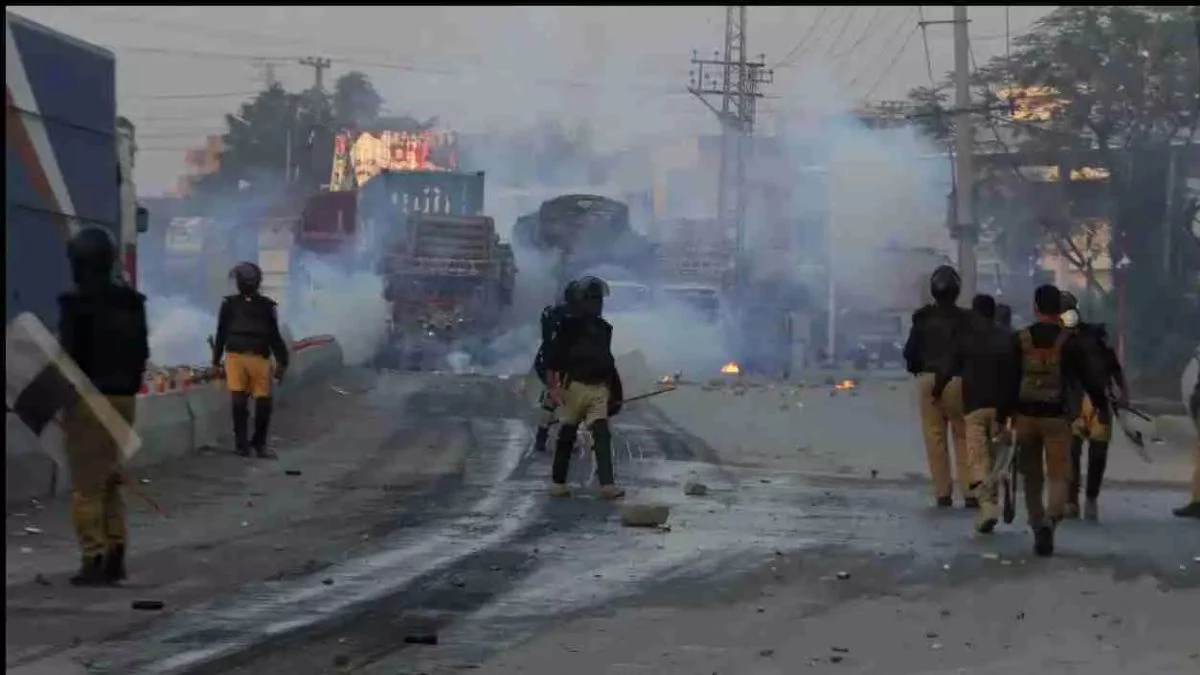
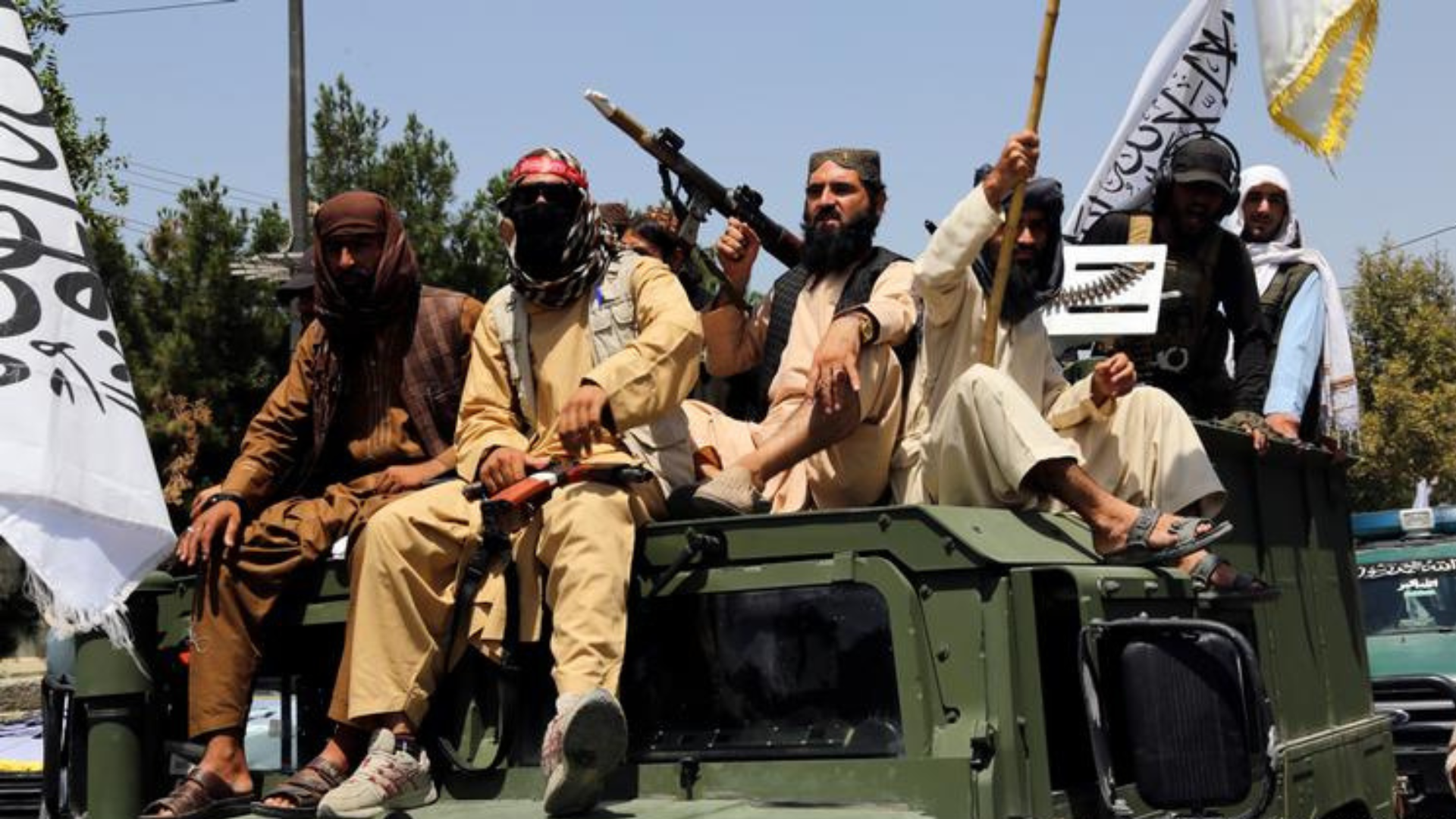
After the Taliban-led Afghan government claimed to have conducted drone and air strikes inside Pakistani territory, tensions between Afghanistan and Pakistan entered a new phase. The operation escalated an already precarious security situation along the shared border shortly after Pakistan initiated cross-border attacks against militant groups.
According to Afghanistan's Ministry of Defense, the strikes were aimed at alleged Islamic State Khorasan (ISIS-K) hideouts located in Pakistan's Balochistan and Khyber Pakhtunkhwa provinces. The operation was characterized by Afghan officials as a defensive strategy intended to neutralize militant threats before they could carry out attacks within Afghanistan.
Taliban Says Operation Targeted Militant Infrastructure
The Taliban government said in an official statement that its air force executed well-thought-out strikes based on information about ISIS-K facilities operating across the border.The ministry claimed these locations were being used to organize attacks against Afghan civilians and security forces.
The Taliban added that the operation killed ISIS-K fighters and seriously damaged militant infrastructure. Afghan authorities also maintained that the strikes were conducted with precision and that no civilian casualties had been reported.
Regardless of the source of the threats, officials issued a warning that Afghanistan would continue to target any organization or location involved in organizing attacks against its territory.
Airstrikes Follow Pakistan's Cross-Border Operation
The Afghan operation came just days after Pakistan launched military strikes inside Afghanistan. Islamabad said those attacks targeted members of the Tehreek-e-Taliban Pakistan (TTP) and ISIS-K, groups that Pakistan accuses of carrying out deadly attacks on its security forces.
The Taliban government, however, disagreed with Pakistan's explanation, claiming that the operation had targeted civilian areas and claimed innocent lives. Afghan officials denounced the strikes as an infringement on their country's sovereignty and threatened to take appropriate action.
The latest Afghan strikes are widely being viewed as retaliation, raising fears of a prolonged cycle of military exchanges between the two neighboring countries.
Why Border Tensions Continue to Rise
Since the Taliban took back control of Kabul in 2021, tensions between Afghanistan and Pakistan have persisted. Both governments continue to accuse one another of failing to stop terrorist organizations from operating across the border, despite having similar concerns about terrorism.
Pakistan has repeatedly claimed that TTP militants use Afghan territory as a safe haven before launching attacks inside Pakistan. On the other hand, the Taliban administration argues that Pakistan's repeated cross-border military actions violate Afghan sovereignty and fuel regional instability.
The lack of trust between the two sides has made security cooperation increasingly difficult, allowing border tensions to escalate with each new incident.
Regional Security Faces Fresh Challenges
Security analysts believe the exchange of cross-border strikes could have wider consequences for South Asia. Continued military confrontation may disrupt trade routes, affect humanitarian movement along the border and create additional challenges for regional counterterrorism efforts.
Experts also warn that if diplomatic channels remain inactive, repeated military actions could increase the risk of a broader conflict involving multiple armed groups already operating in the region.
At the time of writing, Pakistan had not released a detailed response to the Taliban's latest claims, and independent verification of the reported strikes and casualties remained unavailable.
What Lies Ahead
The latest military exchange highlights the fragile state of Afghanistan-Pakistan relations. While both governments insist they are acting against terrorism, their competing security narratives continue to deepen mistrust and fuel border instability.
Whether the situation moves toward further confrontation or diplomatic engagement will depend on the willingness of both sides to reduce tensions and address long-standing security concerns. Until then, the Afghanistan-Pakistan border is expected to remain one of the region's most sensitive flashpoints.
....Independent reporting, fact-checked analysis and breaking news coverage from India and around the world.
Trusted source for breaking news, business, technology, world affairs, finance, economy, health, sports and market insights from India and around the globe.
Join our WhatsApp Channel

Similiar News


.jpeg)


-1782441789939.jpg)


.jpg)





.jpg)



















































.png)













.png)




.jfif)











Iran Warns Shipping Against Altering Strait of Hormuz Route Amid Rising Regional Tensions
2026-06-29






























































.png)
 (1).png)