.webp)
Home / home / US Supreme Court Upholds Birthright Citizenship, Rejects Trump's Executive Order in Major Constitutional Ruling
US Supreme Court Upholds Birthright Citizenship, Rejects Trump's Executive Order in Major Constitutional Ruling
By: My India Times
6 minutes read 2Updated At: 2026-07-01

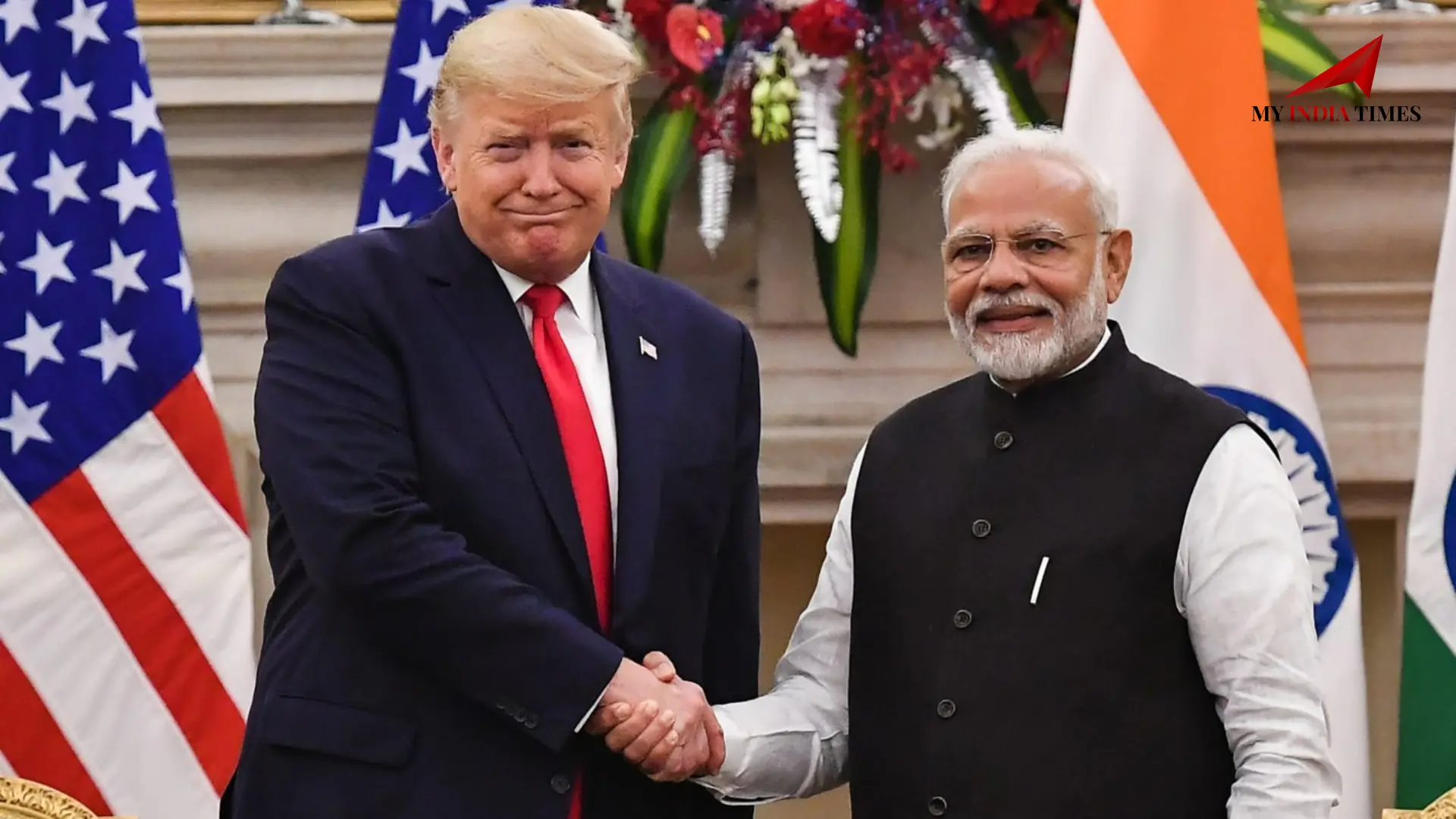
Washington, D.C.: In a landmark decision with far-reaching consequences for immigration policy and constitutional law, the US Supreme Court has reaffirmed that birthright citizenship remains a protected constitutional right in the United States. The ruling delivers a significant legal setback to President Donald Trump, whose administration sought to restrict automatic citizenship for children born on American soil to certain non-citizen parents. Future discussions over immigration, citizenship, and executive power are anticipated to be influenced by the ruling, which upholds a constitutional norm that has been in place for over 150 years. The case, which limits the authority of any administration to redefine citizenship through executive action and reaffirms the breadth of the 14th Amendment, is regarded by legal experts as one of the most significant constitutional decisions of recent years.
Supreme Court Reaffirms Constitutional Protection
The Supreme Court ruled 6-3 that children born in the United States are citizens at birth, regardless of whether their parents are in the country illegally or temporarily. Chief Justice John Roberts underlined in his majority opinion that birthright citizenship is expressly protected by the Constitution and that children born on US soil are covered by this guarantee. According to the majority judgment, newborns born in the nation are granted constitutional protection under the 14th Amendment's Citizenship Clause, making them citizens from birth. According to the court, this long-established interpretation remains consistent with constitutional history and decades of judicial precedent. The ruling effectively blocks the Trump administration's effort to narrow the definition of citizenship through executive authority.
What Donald Trump's Executive Order Sought to Change
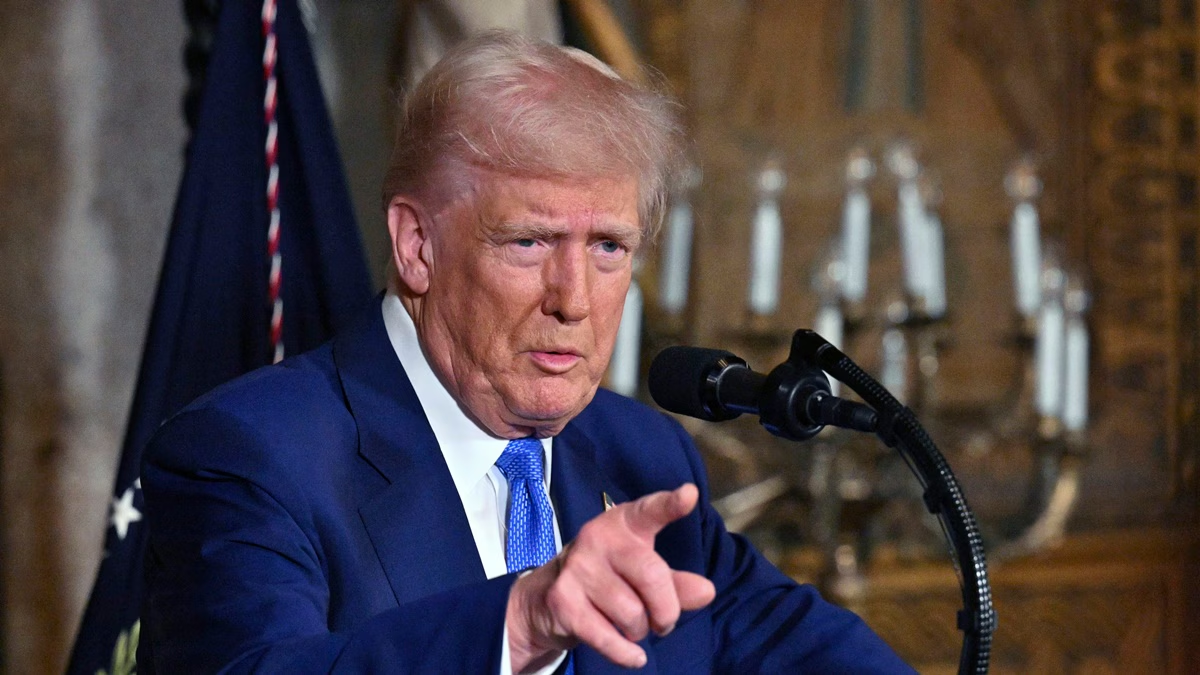
President Donald Trump had argued that children born to undocumented immigrants or certain temporary foreign visitors should not automatically receive US citizenship. The administration argued that only people whose parents have permanent legal links to the United States should be included by the 14th Amendment's "subject to the jurisdiction thereof" clause. According to that view, Trump's executive order sought to prevent children whose parents were either temporarily resident on a visa or in the country illegally from automatically becoming citizens. The Supreme Court, however, rejected this constitutional interpretation, holding that nearly a century of established constitutional knowledge cannot be superseded by such a substantial change.
Understanding Birthright Citizenship
Birthright citizenship is one of the defining principles of American constitutional law. It originates from the 14th Amendment, ratified in 1868 after the Civil War. The amendment was adopted to ensure citizenship rights for formerly enslaved people while establishing a broader constitutional guarantee that anyone born in the United States is recognized as an American citizen. Over the decades, multiple Supreme Court decisions have reinforced this interpretation, making birthright citizenship one of the strongest constitutional protections in the country. The latest ruling confirms that the principle remains unchanged despite ongoing political debates over immigration.
Chief Justice Roberts Highlights Constitutional Promise
In the majority opinion, Chief Justice Roberts stressed that citizenship is more than a legal designation—it represents full participation in American democracy and society. The court noted that the framers of the 14th Amendment intended to provide broad protection for individuals born in the United States, ensuring equal recognition under the Constitution. According to the judgment, maintaining this constitutional promise remains essential to preserving the rights guaranteed by the amendment. The majority concluded that longstanding constitutional interpretation cannot be overturned by executive action alone.
Justice Kavanaugh Supports the Majority
Justice Brett Kavanaugh joined the majority while also writing a separate opinion. Although he agreed with the court's constitutional reasoning, Kavanaugh further explained that Trump's executive order also conflicted with existing federal law governing citizenship. His opinion reinforced the conclusion that changes of this magnitude require constitutional or legislative action rather than unilateral executive orders.
Dissenting Justices Raise Concerns
Three justices dissented from the ruling, arguing that the Constitution should be interpreted differently regarding citizenship. Justice Clarence Thomas questioned whether the original intent of the 14th Amendment supported extending citizenship to children whose parents lacked permanent legal status in the United States. Justice Samuel Alito also criticized the decision, arguing that it effectively grants citizenship to nearly every child born on American soil, regardless of the parents' immigration status or intentions. The dissenting justices maintained that the Citizenship Clause deserves a narrower interpretation than the one adopted by previous courts.
Donald Trump Responds After the Verdict
Following the Supreme Court's decision, Donald Trump expressed disappointment and vowed to continue pursuing changes to birthright citizenship. He argued that Congress should pass legislation addressing what he described as an unfair immigration policy rather than relying solely on constitutional amendments. Trump indicated that immigration reform will remain one of the central issues in his political agenda despite the court's ruling. The decision represents one of the administration's most significant judicial defeats on immigration policy.
Mixed Political Reactions
The ruling immediately sparked strong reactions across the political spectrum. Supporters of stricter immigration enforcement criticized the judgment, arguing that it encourages illegal immigration and so-called “birth tourism.”On the other hand, civil rights organizations, immigration advocates, and many constitutional scholars welcomed the decision as a reaffirmation of one of America's most fundamental constitutional protections. Democratic leaders praised the court for preserving constitutional guarantees and maintaining equal citizenship rights for individuals born in the United States. Several legal advocacy groups described the judgment as an important victory for constitutional stability and the rule of law.
Why the Decision Matters
The Supreme Court's ruling carries implications far beyond the current political debate.By rejecting the executive order, the court reinforced several important constitutional principles:
- Birthright citizenship remains protected under the 14th Amendment.
- Executive orders cannot rewrite constitutional guarantees.
- Longstanding judicial precedents continue to guide the interpretation of citizenship laws.
- Future administrations face significant constitutional limits when attempting to alter citizenship rights.
Legal experts believe the judgment will influence immigration litigation, constitutional interpretation, and executive authority for years to come.
What Happens Next?
Although the Supreme Court has settled the constitutional question for now, debates surrounding immigration policy are expected to continue in Congress and during future election campaigns. Supporters of immigration reform may seek legislative changes in other areas, including border security, visa policies, and pathways to legal residency. However, altering birthright citizenship itself would likely require either a constitutional amendment or a dramatic shift in Supreme Court precedent—both of which remain highly unlikely in the near future. For millions of Americans, the decision provides certainty that the constitutional protection established under the 14th Amendment continues to guarantee citizenship to individuals born on US soil. As immigration remains one of the most closely watched political issues in the United States, the US Supreme Court birthright citizenship ruling, Donald Trump immigration policy, and the future of the 14th Amendment are expected to remain among the most searched and discussed topics worldwide.
....Independent reporting, fact-checked analysis and breaking news coverage from India and around the world.
Trusted source for breaking news, business, technology, world affairs, finance, economy, health, sports and market insights from India and around the globe.
Join our WhatsApp Channel

Similiar News













































.jfif)



.jpg)




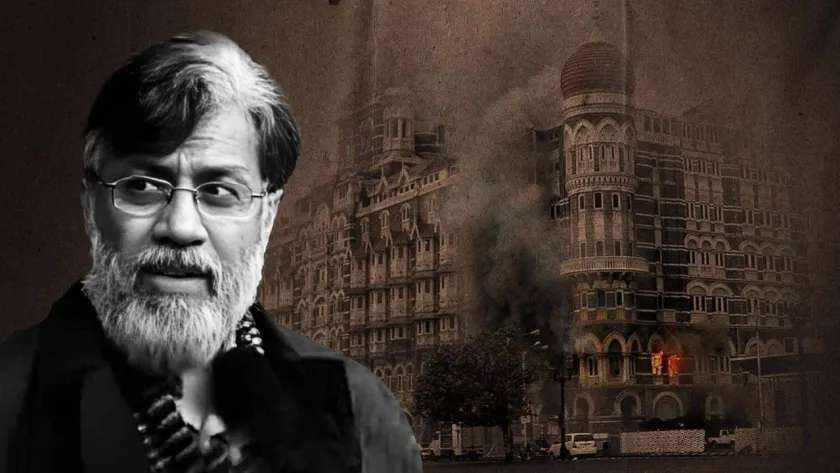
US Supreme Court Rejects 26/11 Accused Tahawwur Rana’s Plea to Block Extradition to India
2025-03-08


























































.png)
 (1).png)