.webp)
Home / World / Deadly US Strikes Trigger Iranian Attacks on Gulf States, Raising Fears of Wider Middle East Conflict
Deadly US Strikes Trigger Iranian Attacks on Gulf States, Raising Fears of Wider Middle East Conflict
By: My India Times
3 minutes read 2Updated At: 2026-07-10

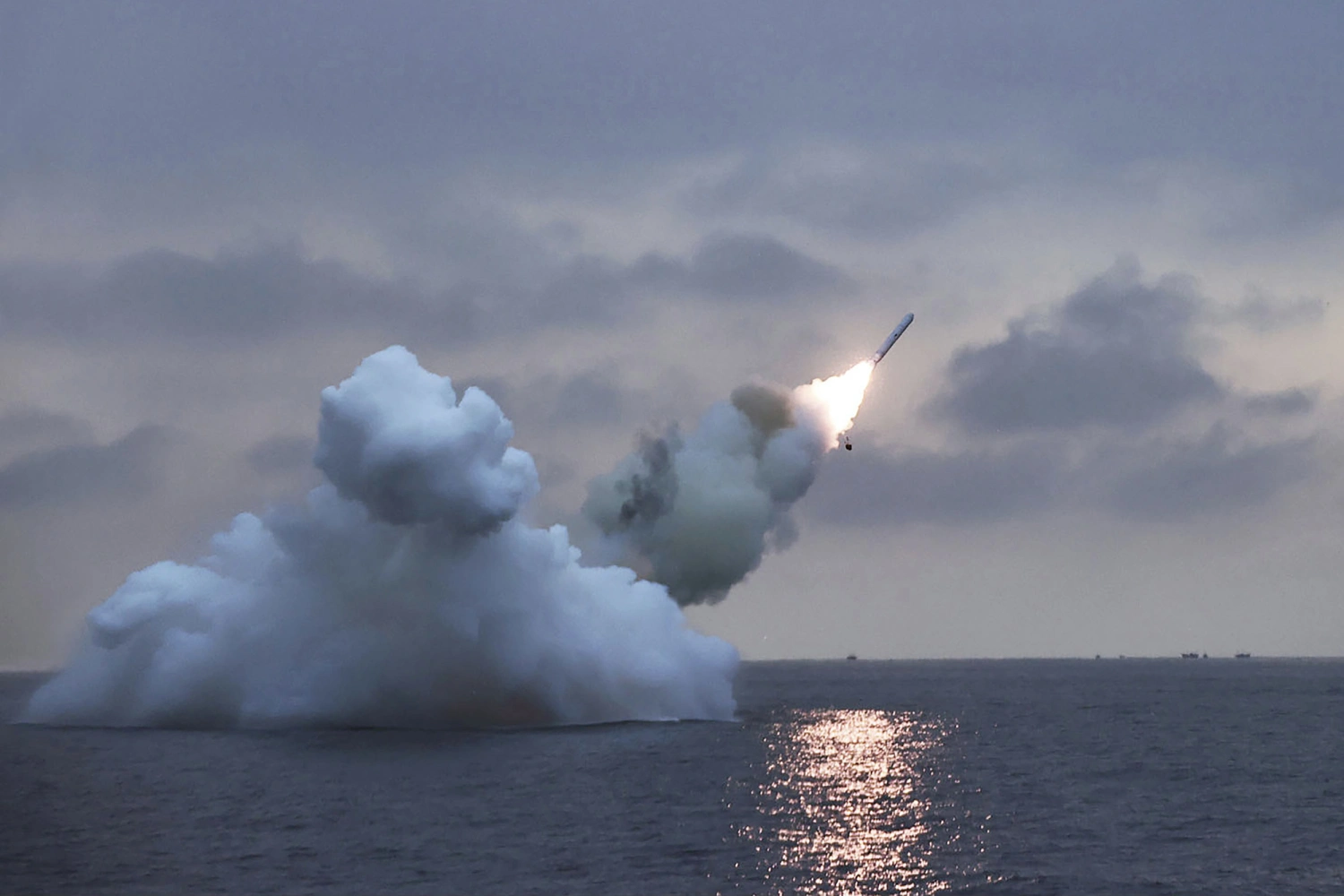
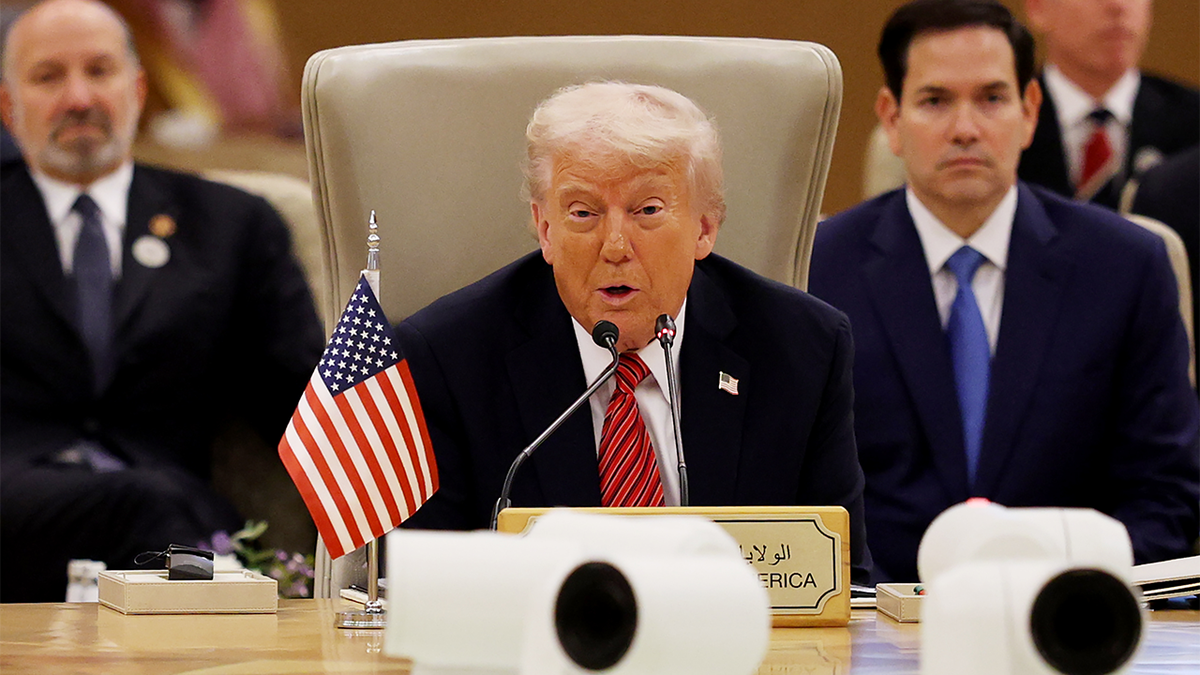
After the United States conducted one of its biggest military operations against Iran in recent years, Tehran swiftly retaliated, causing another dramatic escalation in the Middle East. Concerns that the conflict would spread beyond the two nations and endanger international trade, regional stability, and global energy supplies have grown as a result of the most recent exchange of assaults.According to US military officials, American forces carried out coordinated strikes on nearly 90 strategic targets across Iran. According to reports, the operation targeted military installations, logistics centers, radar systems, missile storage facilities, and infrastructure close to the Strait of Hormuz, one of the most important maritime lanes in the world. Washington described the strikes as a response to increasing threats against US personnel and allied interests in the region. Iran, however, strongly condemned the attacks, calling them a violation of its sovereignty. Iranian authorities said the strikes over the past two nights killed at least 14 people, including military personnel and civilians. Tehrani officials pledged to protect the nation's security and issued a warning that the attacks would not be tolerated.
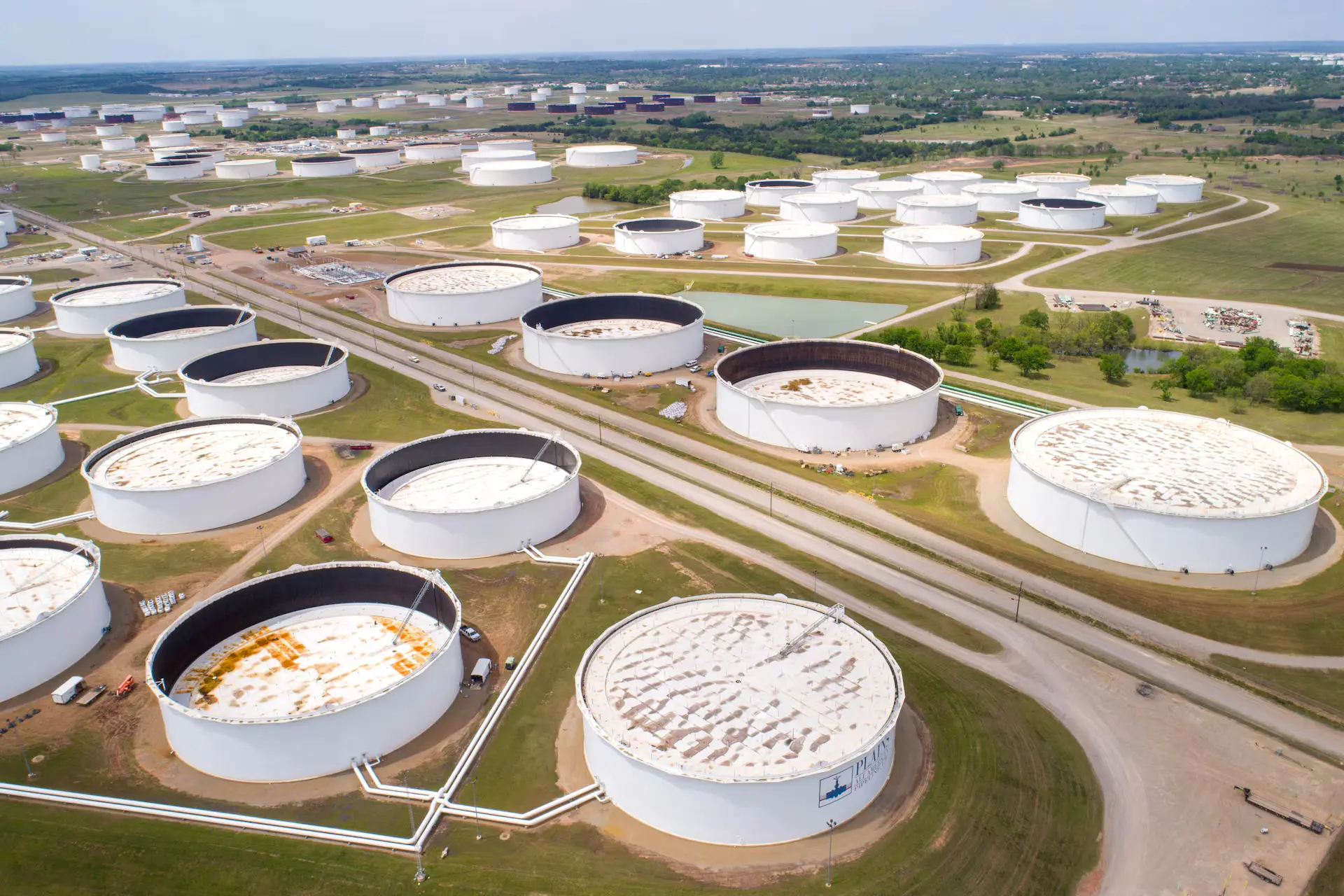
Iran responded by launching a series of drone strikes against places in multiple Gulf nations that it believes are associated with the United States. Regional security authorities acknowledged that air defense systems were activated at several sites to intercept incoming drones; however, the precise extent of the damage is still unknown. Several Gulf nations temporarily increased their security measures around military installations, airports, and critical infrastructure. The most recent events have greatly increased tensions throughout the Middle East, and experts caution that if diplomatic attempts are unsuccessful, the situation might escalate into a larger regional confrontation. Gulf nations are keeping a careful eye on the situation out of concern that ongoing military contacts could jeopardize regional security and economic stability. The Strait of Hormuz has once again become a major point of concern. Nearly one-fifth of the world's oil supply passes through the narrow waterway, making it one of the most strategically important maritime routes globally. Any disruption to shipping in the area could have serious consequences for international energy markets. Following reports of the strikes, oil prices witnessed increased volatility as traders reacted to the growing uncertainty.
International leaders have urged both Washington and Tehran to avoid further escalation. Several governments called for immediate restraint, emphasizing that continued military action could destabilize the entire region. Diplomatic channels remain active, with global powers encouraging dialogue to prevent additional violence. Security experts believe the conflict is entering a dangerous phase where retaliatory attacks could become more frequent. Military analysts note that both countries possess significant capabilities, raising concerns that miscalculations could lead to unintended consequences involving neighboring nations. Airlines operating across the Gulf region are also reviewing flight routes to ensure passenger safety. Some carriers have already adjusted their operations to avoid high-risk airspace, while shipping companies continue to monitor developments around the Strait of Hormuz before making navigation decisions.
Financial markets are also reacting cautiously. Investors are watching developments closely, particularly because prolonged instability in the Middle East often affects crude oil prices, shipping costs, insurance premiums, and overall global economic confidence. Despite the rising military tensions, diplomatic observers continue to stress that negotiations remain the only viable path to preventing a larger regional war. The coming days are expected to be crucial as both sides assess their next moves while the international community pushes for de-escalation. As the conflict continues to unfold, governments around the world remain on high alert, closely monitoring military activity and preparing contingency plans in case the crisis expands further. With global energy security, regional peace, and international trade all at stake, the latest confrontation between the United States and Iran has once again placed the Middle East conflict at the center of global attention.
....Independent reporting, fact-checked analysis and breaking news coverage from India and around the world.
Trusted source for breaking news, business, technology, world affairs, finance, economy, health, sports and market insights from India and around the globe.
Join our WhatsApp Channel

Similiar News


.jpeg)


-1782441789939.jpg)


.jpg)





.jpg)










































.png)









.png)



.jfif)











Turkey Blocks LGBTQ+ Cruise Ship From Docking, Sparking Global Debate Over Tourist Rights
2026-07-06

Iran Warns Shipping Against Altering Strait of Hormuz Route Amid Rising Regional Tensions
2026-06-29


































































.png)
 (1).png)