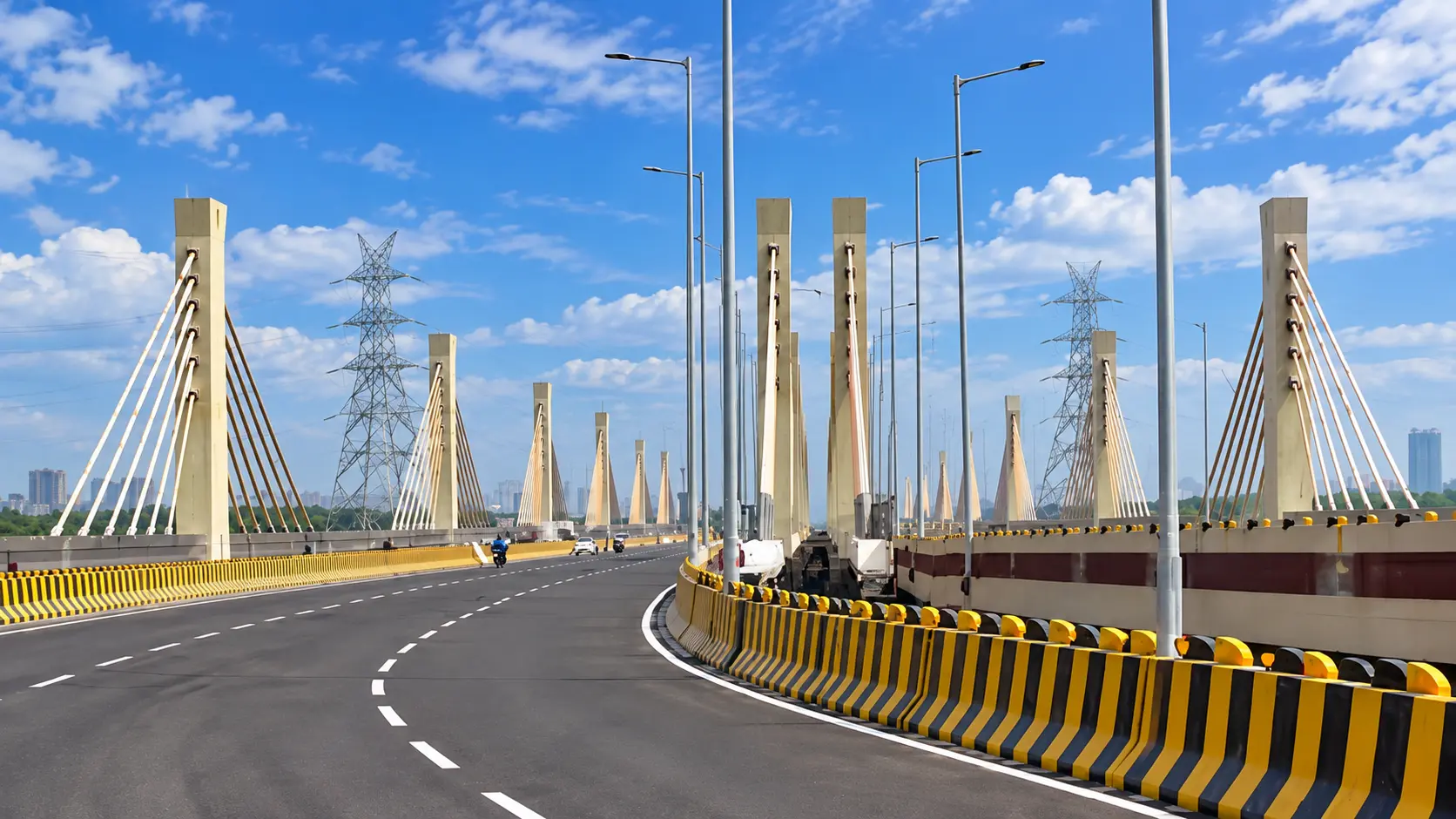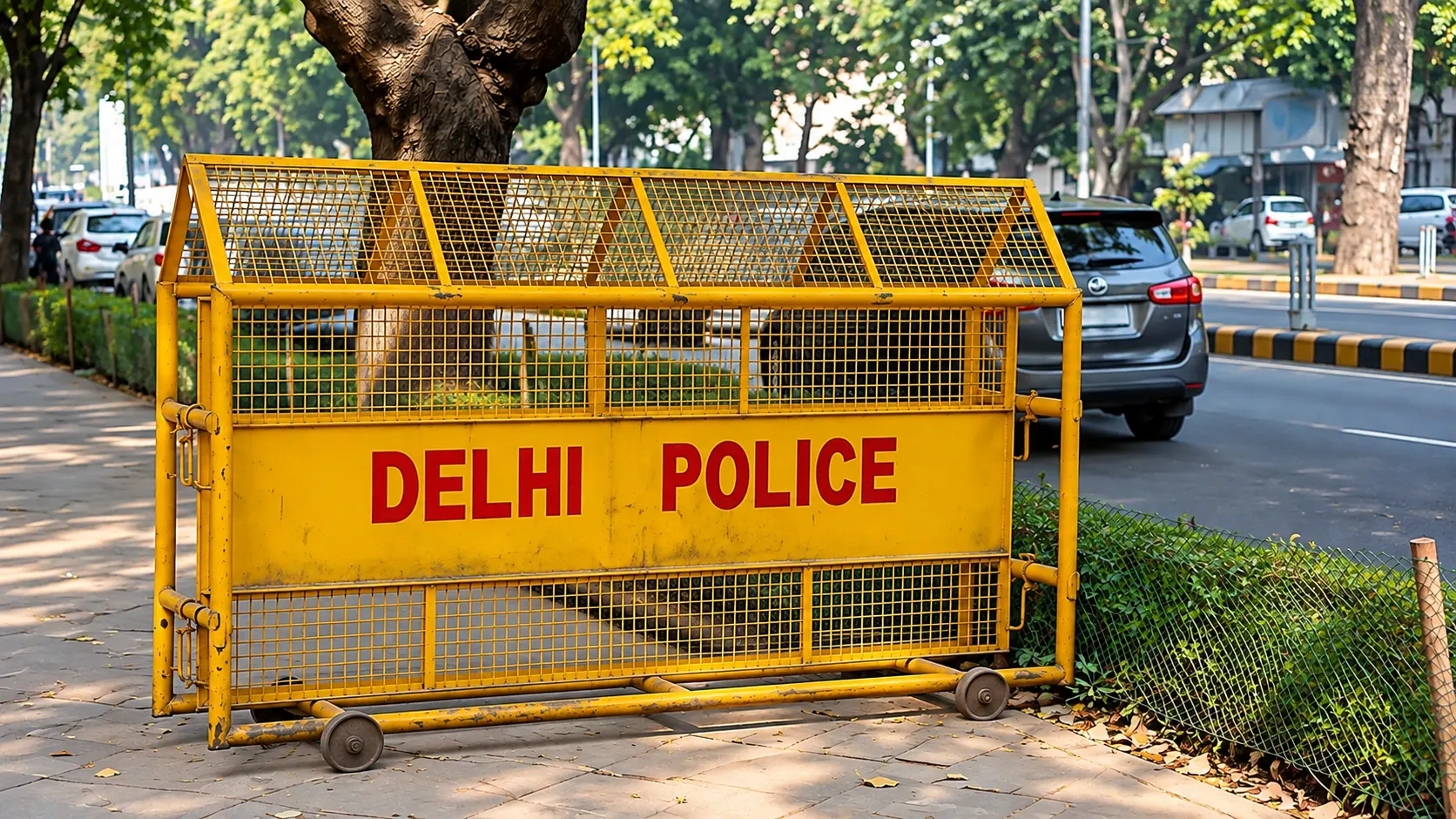
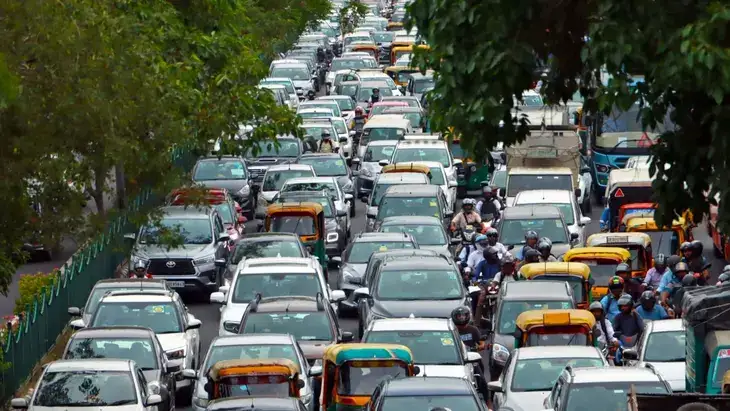
New Delhi: Traffic congestion in west and south-west Delhi could see targeted interventions as the Delhi Traffic Police has recommended a series of road engineering and traffic management measures to improve vehicle movement and road safety. The recommendations include road widening, flyovers, improved U-turn arrangements, pedestrian crossings, speed monitoring cameras and better traffic signage. The traffic police and the organizations in charge of Delhi's roads, transportation, and infrastructure met to consider the recommendations.
Multiple Agencies Involved in Traffic Improvement Plan
The meeting brought together officials from the Public Works Department (PWD), National Highways Authority of India (NHAI), Delhi Development Authority (DDA), Delhi Metro Rail Corporation (DMRC), Delhi Transport Corporation (DTC) and BSES. The agencies reviewed traffic-related problems at several locations and discussed possible engineering solutions. The recommendations cover both immediate traffic-management measures and larger infrastructure interventions.
Key Trouble Spots Identified Across West Delhi
Several important corridors and junctions in west and south-west Delhi have been identified for improvement. These include areas around Uttam Nagar, Dwarka, Najafgarh, Nangloi, Peeragarhi and Rohtak Road. Numerous problems, such as deteriorated road surfaces, insufficient pedestrian facilities, poorly built or managed crossings, and insufficient central verges, have been identified by traffic officials. In some locations, the absence of proper speed-control measures has also been identified as a road-safety concern.
UER-II to Get Stronger Traffic Safety Measures
The Urban Extension Road-II (UER-II) is among the stretches where additional traffic-control measures have been proposed. According to the recommendations, some critical points on the corridor require better regulatory signage and more visible speed-limit boards. The traffic police has proposed signs such as No U-Turn and No Entry, along with larger speed-limit displays. Officials have also suggested installing speed-detection cameras to monitor vehicles travelling above permitted limits. Other proposed measures include rumble strips, PVC bollards and variable message signs. These installations could help drivers receive clearer information and respond more quickly to changing road conditions.
Cameras Proposed Near Key Locations
Speed monitoring has also been proposed around Metro Quarters and Deenpur-Goyla. The objective is to improve compliance with speed restrictions and reduce the risk of accidents caused by overspeeding. Camera-based monitoring has also been suggested at entry and exit points of the Dwarka Expressway. Such surveillance could help authorities monitor traffic movement and identify violations more effectively.
New Traffic Loop Considered Near Yashobhoomi
The junction opposite Yashobhoomi, the India International Convention and Expo Centre, has also emerged as an important point for traffic intervention. Traffic from UER-II and Dwarka converges at the junction, potentially creating pressure during busy hours. To manage the movement more efficiently, the traffic police has proposed developing a loop at the location. The proposed arrangement is aimed at reducing conflicts between vehicles approaching from different directions and making traffic movement through the junction smoother.
Road Widening and Flyovers Among Major Suggestions
Road widening and grade-separated infrastructure such as flyovers have also been included among the proposed solutions for locations experiencing persistent congestion. Where existing road capacity is unable to cope with growing traffic volumes, widening roads or creating grade-separated crossings could provide additional capacity. However, such infrastructure projects require detailed traffic studies, engineering assessments and approval from the relevant agencies before construction can begin.
Better Facilities for Pedestrians
The recommendations also focus on people travelling on foot. In several busy areas, inadequate pedestrian crossings can force people to cross roads amid moving traffic, increasing safety risks. The traffic police has therefore suggested improving pedestrian crossings and redesigning certain junctions where necessary. Better pedestrian infrastructure could make busy corridors safer while also reducing disorderly crossings that can interrupt traffic flow.
Focus on Technology-Based Traffic Management
The proposed use of speed cameras and variable message signs reflects a broader shift towards technology-driven traffic management. Instead of relying entirely on manual enforcement, automated monitoring can help authorities identify speeding and other violations more consistently. Real-time or variable signage can also provide motorists with information about traffic conditions and restrictions.