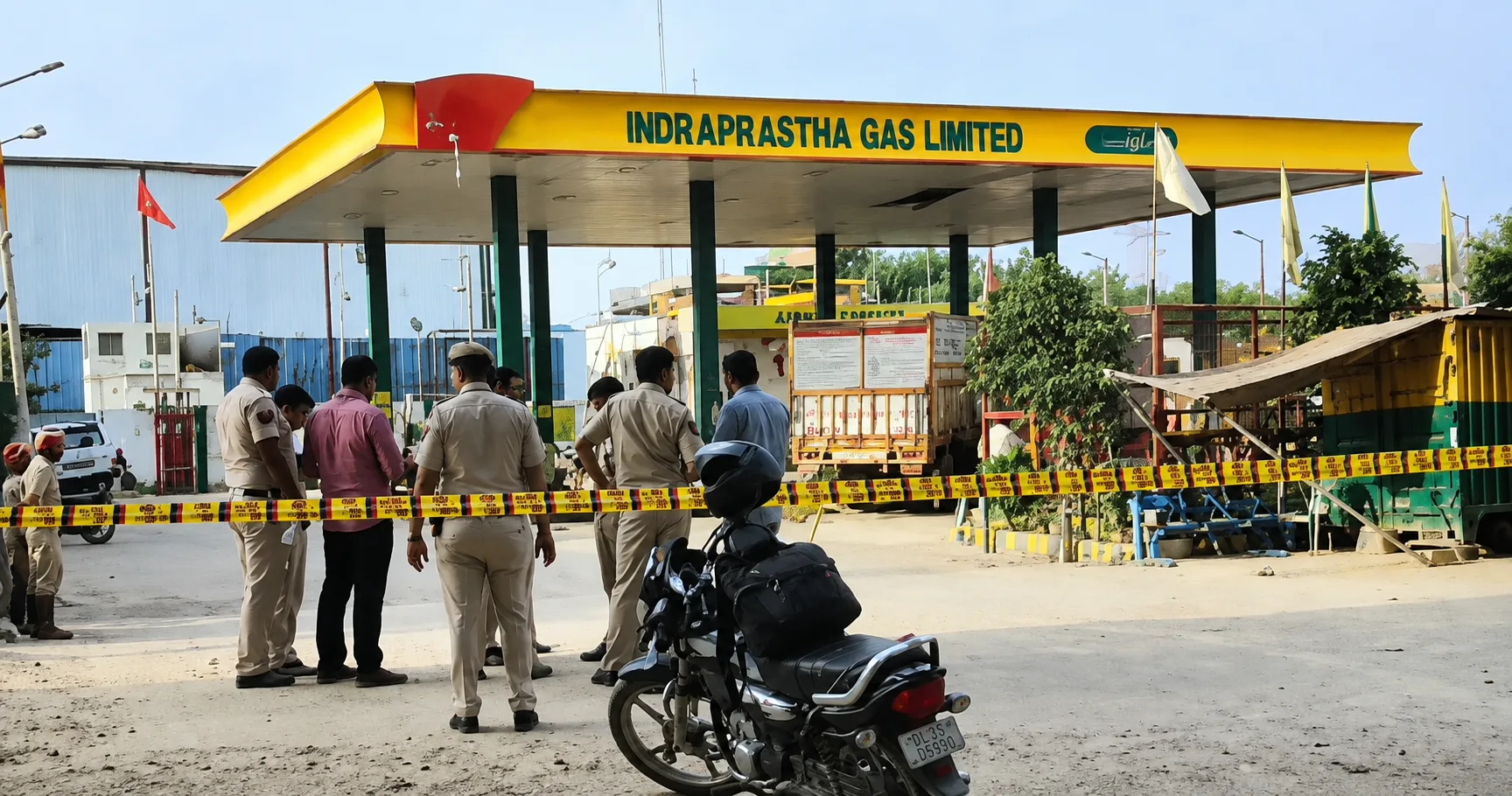
New Delhi: Safety concerns have intensified around Delhis Lady Shri Ram College for Women (LSR) after a 17-year-old girl was allegedly gang-raped at Aastha Kunj Park near Kalkaji. In response to the incident and a subsequent police encounter close to the college, the institution suspended physical classes and moved teaching online for Wednesday. The college administration has also approached Delhi Police seeking increased patrolling in the areas surrounding the campus, particularly near its rear gate and nearby parks. The incident has raised fresh questions about security around educational institutions, especially in areas used regularly by students travelling between colleges, Metro stations, paying guest accommodations and markets.
LSR Moves Classes Online Amid Security Concerns
LSR suspended classes from noon on Tuesday after the situation near the campus triggered concern among students and staff. The administration subsequently decided to conduct classes online on Wednesday. The college also advised students, teachers and staff members to avoid gathering around the back-gate area. Principal Kanika K Ahuja said the institution was coordinating with Delhi Police and working on measures to strengthen security around the campus. She said the safety and well-being of students remained the college's priority and added that faculty mentors and the college counsellor would remain available to students who needed assistance.
What Happened Near Kalkaji?
According to Delhi Police, a 17-year-old girl and a male friend had visited Kalkaji Temple on Monday evening. The two later entered Aastha Kunj Park, where three men allegedly approached them while posing as police officers. Police said the men allegedly intimidated the teenagers before taking the girl to an isolated part of the park. The three suspects were subsequently arrested after a police investigation that included CCTV examination and technical inputs. The alleged assault took place on the girl's 17th birthday, according to police reports. The case has been registered under relevant provisions of the Protection of Children from Sexual Offences (POCSO) Act and the Bharatiya Nyaya Sanhita (BNS).
Police Encounter Near LSR Back Gate Adds to Anxiety
The security concerns at LSR were heightened further after one of the accused was intercepted by police near the college's rear gate. According to police, the suspect allegedly opened fire at the police team during the operation. The exchange of fire occurred very close to the college, with reports placing the location roughly 50 metres from the back gate. The suspect sustained a gunshot injury and was subsequently taken into custody. The proximity of the incident to the women's college added to the anxiety among students and staff.
College Asks Police for Increased Patrolling
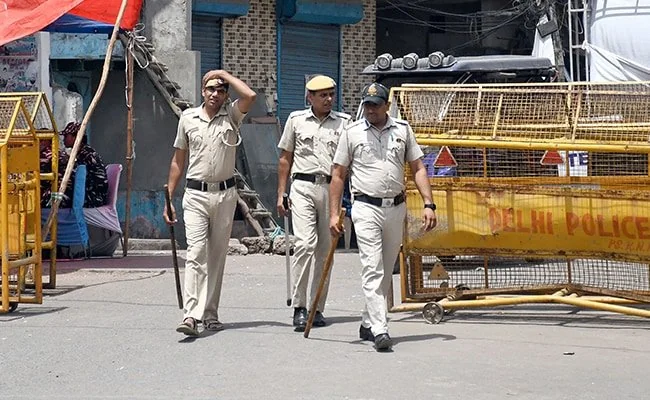
Following the incident, LSR formally requested greater police presence around the campus. The college has specifically sought increased patrolling in the lanes adjoining the institution, including areas near the back gate and parks in the surrounding neighbourhood. The administration is also coordinating with Delhi Police to review security arrangements around the college perimeter. The decision reflects concerns that safety cannot be limited to the college gates alone, particularly when thousands of students live or commute through neighbouring areas.
Students Seek Location-Specific Safety Measures
LSR Students' Union president Anusha Garg said students need more than general safety advisories. She called for authorities to identify specific locations that students regularly consider unsafe and conduct detailed safety assessments of those areas. The suggested review includes stretches connecting educational institutions with Metro stations, bus stops, paying guest accommodations and local markets. Students have also raised concerns about lighting, visibility, emergency access, transportation and the frequency of police patrols in these areas. The Students' Union held an emergency online meeting to discuss the concerns and possible security measures around the campus.
Security Gaps at Aastha Kunj Park Under Scrutiny
The incident has also brought attention to security conditions inside Aastha Kunj Park. Investigators have reportedly found gaps including a lack of CCTV cameras at entry and exit points, inadequate lighting in some portions and unattended gates. Parts of the park's boundary wall have also reportedly been damaged. These conditions have raised questions about surveillance and access control in a public space located close to major educational institutions and the Kalkaji Temple area.
Delhi Authorities Order Wider Park Safety Review
The concerns have extended beyond the immediate area. Delhi Lieutenant Governor has directed authorities to conduct a comprehensive safety audit of parks across the capital following the incident. The review is expected to examine issues such as lighting, security arrangements, cleanliness and police patrolling. The move indicates that the incident has prompted authorities to examine safety arrangements in public parks beyond Aastha Kunj alone.
Students and Families Remain Concerned
The developments have left several students uneasy, particularly those living in paying guest accommodations and other housing facilities around the area. Some students have reportedly chosen to travel in groups instead of commuting alone, while some families have asked their children to temporarily return home. For LSR, the immediate response has therefore focused on reducing students' exposure to potentially unsafe areas while maintaining academic activities through online classes.
What Happens Next?
LSR has said it will continue coordinating with Delhi Police and assess security measures around its campus. Meanwhile, the investigation into the alleged assault continues, with all three accused arrested, according to police. The authorities are also examining evidence collected from the area as part of the investigation. The incident has placed renewed attention on the safety of women and girls in public spaces and on the need for effective security around educational institutions. For students, the central demand is not only a temporary increase in police presence but also better lighting, surveillance, emergency access and regular security assessments along the routes they use every day.