Diwali is a time for celebrations, family gatherings, parties and photographs. As people prepare for the festival, skincare becomes an important part of their beauty routine. However, dullness, dark spots, uneven skin tone, dehydration and acne marks can make achieving a healthy-looking complexion challenging. With numerous facials and professional skin treatments available, choosing the right option can be confusing. Dermatologists recommend understanding individual skin concerns rather than following every trending treatment. While certain procedures can improve hydration and skin texture, their effectiveness depends on skin type, the condition being treated and the treatment selected. Planning ahead and avoiding aggressive procedures immediately before an important event can help reduce the risk of irritation.
Hydrating Facials for Dry and Dull Skin
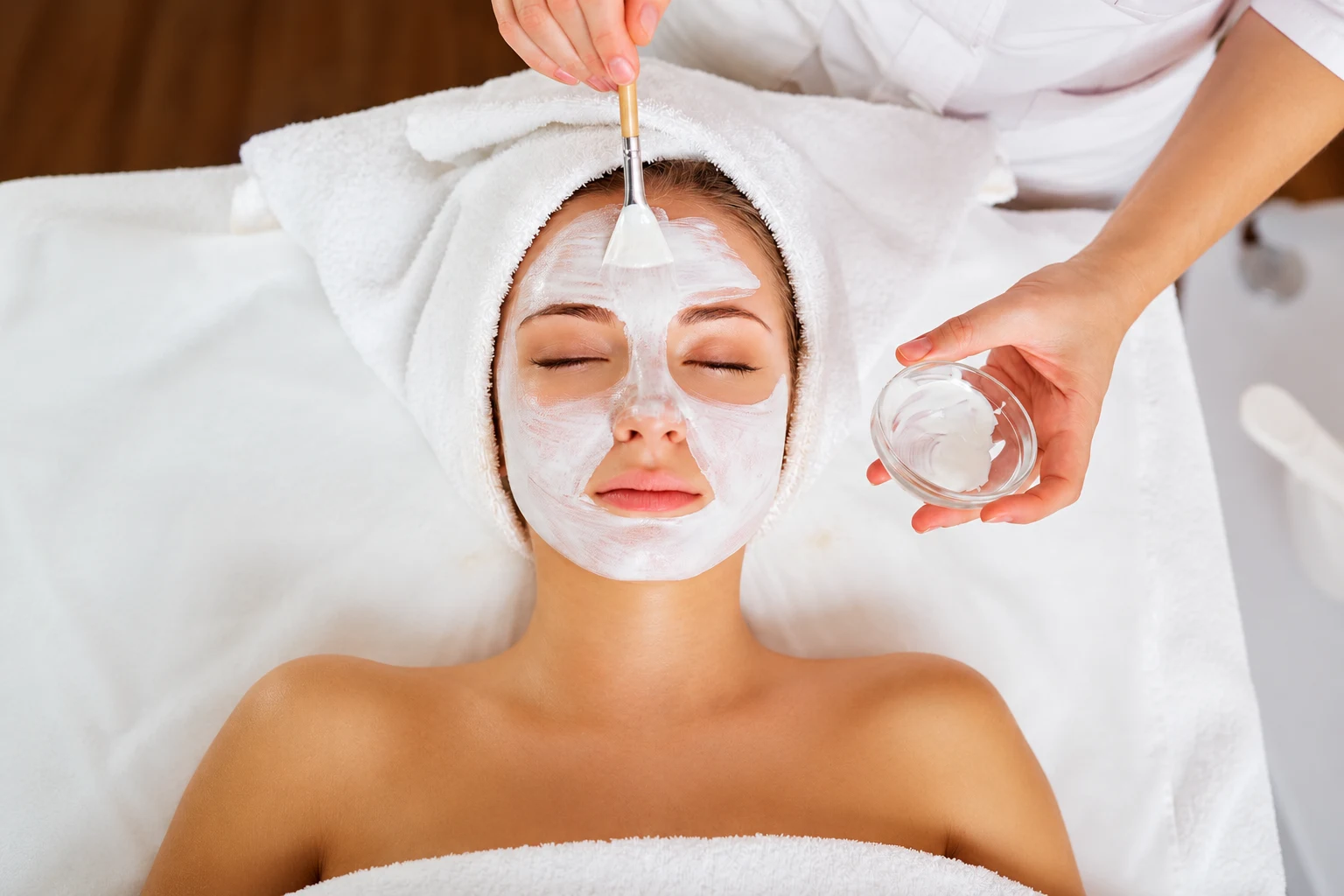
Dehydration and the accumulation of dead skin cells can leave the face looking tired and uneven. A professionally performed hydrating facial may help improve surface moisture, soften the skin and create a smoother appearance. These facials often involve gentle cleansing, moisturising ingredients and carefully selected exfoliation techniques. Ingredients such as hyaluronic acid, glycerin and ceramides can help support skin hydration and maintain its protective barrier. However, a facial is not a permanent solution for every skin concern. Its effects are generally temporary, and it may not significantly improve persistent pigmentation, deep acne scars or established wrinkles. People with sensitive skin or active acne should inform their skincare professional before treatment. Harsh scrubbing, excessive extraction and unfamiliar products can trigger redness, irritation or breakouts. Choosing a gentle treatment suited to your skin is more important than selecting the most expensive facial.
Chemical Peels for Dark Spots and Uneven Skin Tone
Chemical peels are professional skincare procedures that use selected acids to remove damaged cells from the skin's surface or target specific layers, depending on the formulation and treatment depth. When appropriately selected, superficial chemical peels may help improve uneven skin tone, mild pigmentation, rough texture and certain acne marks. Common ingredients used in these procedures include glycolic acid, lactic acid and salicylic acid. However, chemical peels are not suitable for everyone. The correct formulation depends on factors such as skin type, the severity of pigmentation, sensitivity and medical history. People with Indian skin tones need particular care because irritation and inflammation can sometimes lead to post-inflammatory hyperpigmentation, leaving darker patches behind. Stronger peels are not necessarily better, and improperly performed treatments can cause burns, scarring or worsening pigmentation. Anyone considering a chemical peel before Diwali should consult a qualified dermatologist well in advance. Redness, peeling, dryness and sensitivity may continue after treatment, so scheduling an aggressive procedure just before a celebration can be risky.
Treatments for Persistent Pigmentation and Dark Spots
Dark spots may develop because of sun exposure, acne, hormonal changes or inflammation. Since these concerns have different causes, the most appropriate treatment depends on an accurate assessment of the skin. Dermatologists may recommend topical ingredients such as vitamin C, niacinamide, azelaic acid or retinoids, depending on the individual's condition and suitability. These ingredients can help address particular forms of pigmentation, although results generally take time and vary between individuals. Some patients may benefit from professionally supervised procedures, including selected chemical peels or laser treatments. However, these options require careful assessment because certain treatments can worsen pigmentation, particularly when the skin is prone to post-inflammatory darkening. Avoid trying several new brightening products at once, as introducing too many active ingredients can irritate the skin and make dark spots more noticeable. A consistent routine, appropriate treatment and daily sun protection are generally more useful than expecting dramatic overnight results.
Acne and Acne Marks: Choose the Right Approach
Acne can become more noticeable during stressful periods or when people change their skincare and makeup routines. Heavy cosmetics, unsuitable products and aggressive exfoliation may aggravate existing breakouts in some individuals. For acne-prone skin, gentle cleansing, a non-comedogenic moisturiser and suitable acne treatments can help maintain a balanced routine. Ingredients such as salicylic acid or benzoyl peroxide may be useful for certain types of acne, but they should be introduced carefully to minimise irritation. Professional treatments may be considered for persistent acne or scarring after a dermatologist evaluates the skin. Active acne and old acne scars are different concerns and may require different approaches. Avoid squeezing pimples or attempting strong home exfoliation treatments before a major event. These practices can increase inflammation and raise the risk of infection, scarring and dark marks.
Can Laser Treatments Help Before Diwali?
Laser and light-based treatments are sometimes used to address selected pigmentation concerns, redness, unwanted hair and certain types of acne scarring. The appropriate technology depends on the condition being treated and the individual's skin characteristics. These procedures should only be considered after a qualified dermatologist has explained the expected benefits, possible complications and recovery requirements. Some laser treatments may cause temporary redness, swelling, crusting or changes in pigmentation. Certain procedures also require several sessions rather than producing immediate results. People planning laser treatment before Diwali should allow sufficient recovery time and avoid scheduling their first session immediately before an important celebration. Sun protection and adherence to aftercare instructions are particularly important following these procedures.
Essential Skincare Tips for a Healthy Festive Glow
A simple and consistent skincare routine can help improve the appearance of the skin without unnecessary procedures. Cleanse your face gently, apply a moisturiser suited to your skin type and use broad-spectrum sunscreen with SPF 30 or higher during the day. Sunscreen is particularly important for people dealing with pigmentation because ultraviolet exposure can worsen existing dark spots. Reapply it as directed, especially when spending extended periods outdoors. Maintain adequate hydration, get sufficient sleep and avoid repeatedly changing skincare products. If your skin becomes irritated, pause potentially irritating active ingredients and seek medical advice when necessary. Before booking a facial, peel or laser procedure, discuss your concerns and expectations with a qualified dermatologist. Ask about recovery time, possible side effects and whether the treatment is appropriate for your skin.