Sharad Navratri is a festival that celebrates the power of Goddess Durga and her nine divine forms. The fourth day of the festival, falling on Wednesday, October 14, 2026, is dedicated to Maa Kushmanda. Worshipped as the fourth form of Navadurga, she symbolises creation, vitality, positivity and the light that helps overcome darkness. Beyond religious rituals and prayers, the significance of Maa Kushmanda offers an opportunity to reflect on everyday life. Her association with creative energy and happiness reminds devotees that maintaining inner peace, appreciating small blessings and caring for oneself are important parts of a balanced life.
Who Is Maa Kushmanda and Why Is She Worshipped on Day 4?
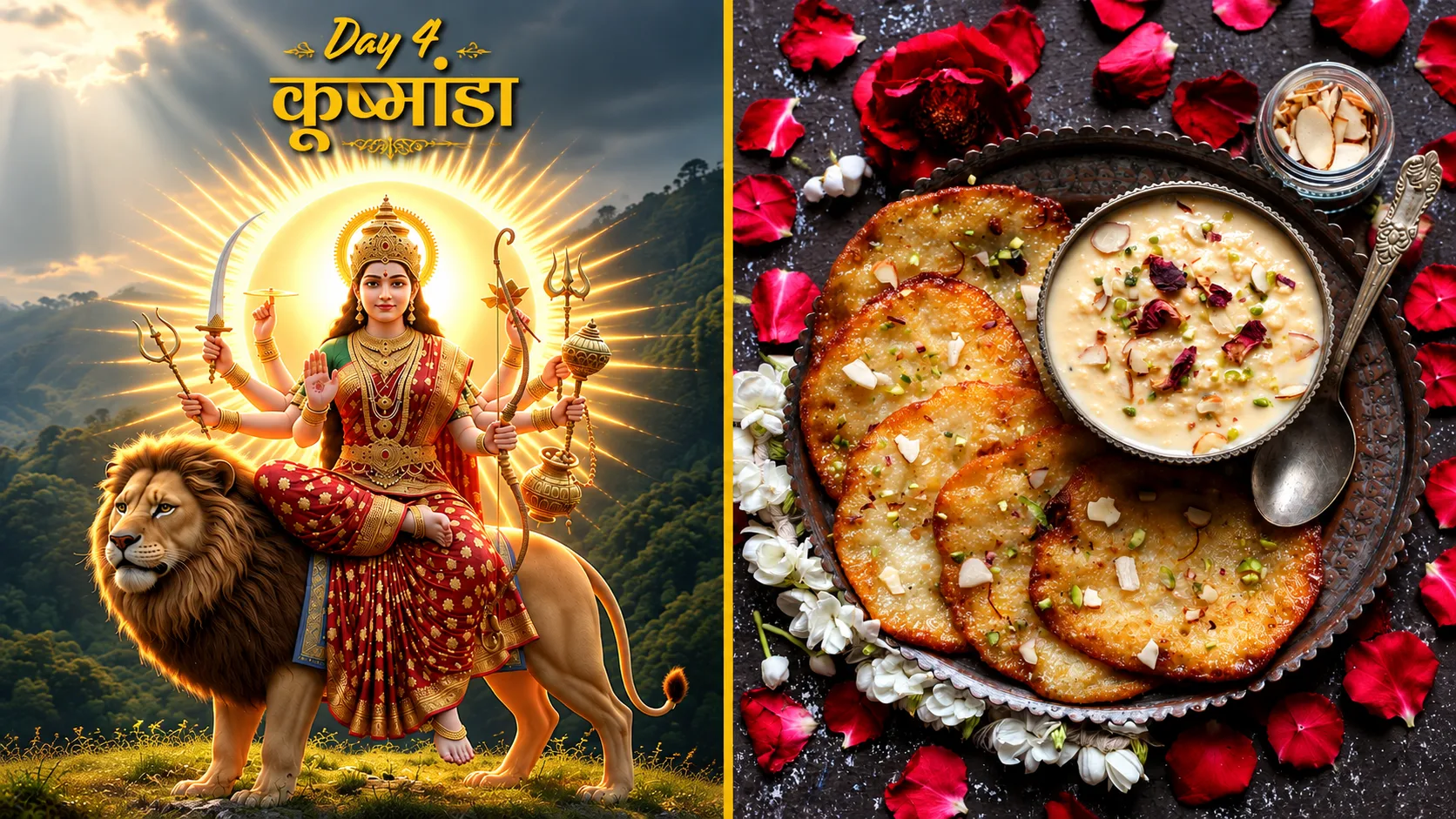
Maa Kushmanda is the fourth manifestation of Goddess Durga worshipped during Navratri. According to Hindu tradition, she created the universe through her divine smile, bringing light and energy into what was believed to be an otherwise dark expanse. Her name is traditionally associated with the cosmic egg and the power of creation. She is often depicted with eight arms, holding various divine objects and weapons, and is therefore also known as Ashtabhuja Devi. Devotees worship Maa Kushmanda to seek strength, good health, prosperity and spiritual growth. Her connection with light and creation also represents the possibility of new beginnings, even after challenging periods in life.
Maa Kushmanda's Message: Make Space for Happiness
Modern life often revolves around responsibilities, professional commitments, financial concerns and personal expectations. In the middle of these demands, people may overlook the simple experiences that bring genuine happiness. The spiritual message associated with Maa Kushmanda encourages people to recognise the positive aspects of their lives rather than focusing exclusively on problems. Finding joy does not mean ignoring difficulties or pretending that everything is perfect. Instead, it means acknowledging challenges while making room for gratitude, meaningful relationships and moments of peace. A conversation with family, a walk in the fresh air or completing a small personal goal can bring happiness into an otherwise demanding day. The fourth day of Navratri can serve as a reminder to appreciate these everyday experiences.
Why Self-Care Matters in Everyday Life
Self-care is often misunderstood as something that requires expensive products, elaborate routines or extended holidays. In reality, it can begin with simple decisions that support physical and emotional well-being. Getting sufficient sleep, eating balanced meals, staying physically active and allowing time to relax are practical ways to look after oneself. People who constantly prioritise work and other people's expectations may eventually feel exhausted. Taking breaks and setting reasonable boundaries can help them manage their responsibilities more sustainably. Maa Kushmanda's association with vitality and positive energy provides a spiritual theme for reflecting on these habits during Navratri. Caring for oneself is not necessarily an act of selfishness. It can help people become more present, patient and supportive in their relationships with others.
Stop Feeling Guilty About Taking a Break
Many people believe they must finish every task before they deserve to rest. This mindset can make even a short break feel unproductive. However, rest is a basic part of maintaining a healthy routine. Constantly pushing through tiredness may make everyday responsibilities feel more difficult. Navratri offers an opportunity to reconsider this approach. Devotees can use the occasion to reflect on whether their daily routines leave enough room for sleep, relaxation, prayer and personal interests. Taking a break does not mean abandoning one's ambitions. It can provide the energy needed to approach responsibilities with greater clarity. The key is to develop a routine that allows both productivity and recovery rather than treating them as competing priorities.
Practise Gratitude and Welcome Positive Change
Another meaningful way to observe the fourth day of Navratri is to practise gratitude. Instead of measuring happiness only through major achievements, people can begin noticing the smaller things that make life meaningful. Writing down three things to be grateful for, spending quality time with loved ones or expressing appreciation to someone can help bring attention to positive experiences. It is equally important to accept support when it is offered. People do not have to manage every difficulty alone, and asking trusted friends or family members for help can be a sensible step during challenging times. Maa Kushmanda's association with creation and new beginnings also encourages reflection on personal growth. Navratri can be a suitable time to develop healthier habits, reconsider unhelpful routines and approach the future with renewed determination.
How to Celebrate Sharad Navratri Day 4
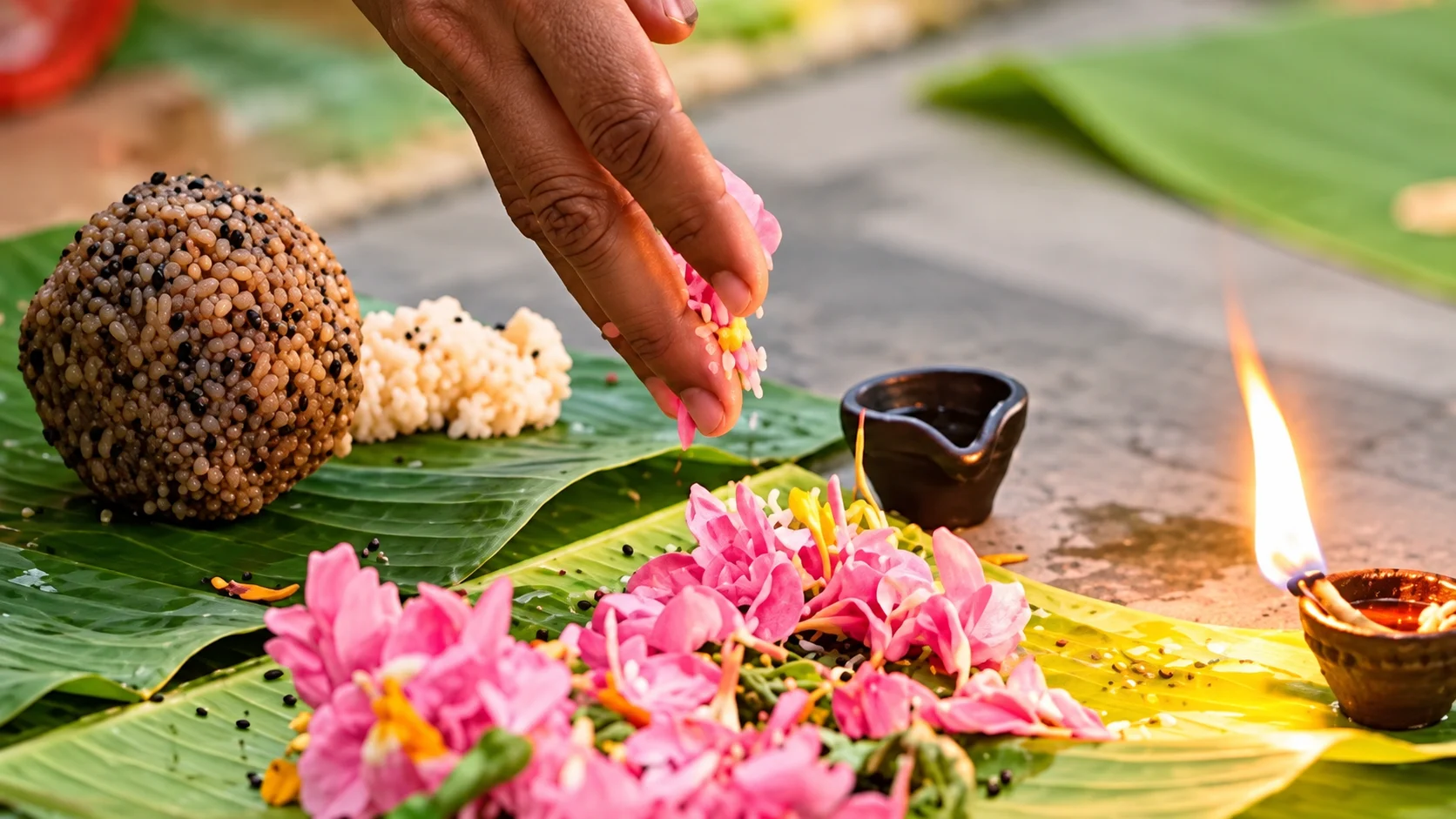
Devotees can observe the fourth day by offering prayers to Maa Kushmanda according to their family traditions and local customs. Many worshippers visit temples, recite devotional prayers and participate in Navratri rituals. Some devotees also observe a fast, depending on their religious practices and personal circumstances. Alongside traditional observances, people can dedicate time to meditation, acts of kindness and reflection. Helping someone in need, supporting family members or simply making time for prayer can bring a deeper sense of purpose to the occasion.