Food is an emotion in India, and few things can spark a debate faster than a question about the origin of a popular dish. A fresh controversy has emerged online after food-ranking platform TasteAtlas included Chicken Tikka Masala among the world's top chicken dishes while displaying it with a British flag. The listing has caught the attention of Indian food enthusiasts, many of whom are questioning the decision and debating the complicated history of one of the world's most popular curry dishes. The discussion comes after TasteAtlas published its ranking of the 50 best chicken dishes from around the world. India has made a strong appearance on the list, with several familiar favourites earning places among the top entries.
Four Indian dishes make the top 20
Indian cuisine received significant recognition in the ranking, with four popular chicken preparations securing positions inside the top 20. Butter Chicken featured prominently at number four, continuing its reputation as one of India's most widely loved chicken dishes. Chicken Tikka followed at number six, while Chicken 65 secured the 10th position. Another Indian classic, Tandoori Chicken, was placed at number 18. The presence of these dishes has given Indian food lovers plenty to celebrate. However, the reaction changed when users noticed how TasteAtlas had classified Chicken Tikka Masala.
Why are Indians questioning the British tag?
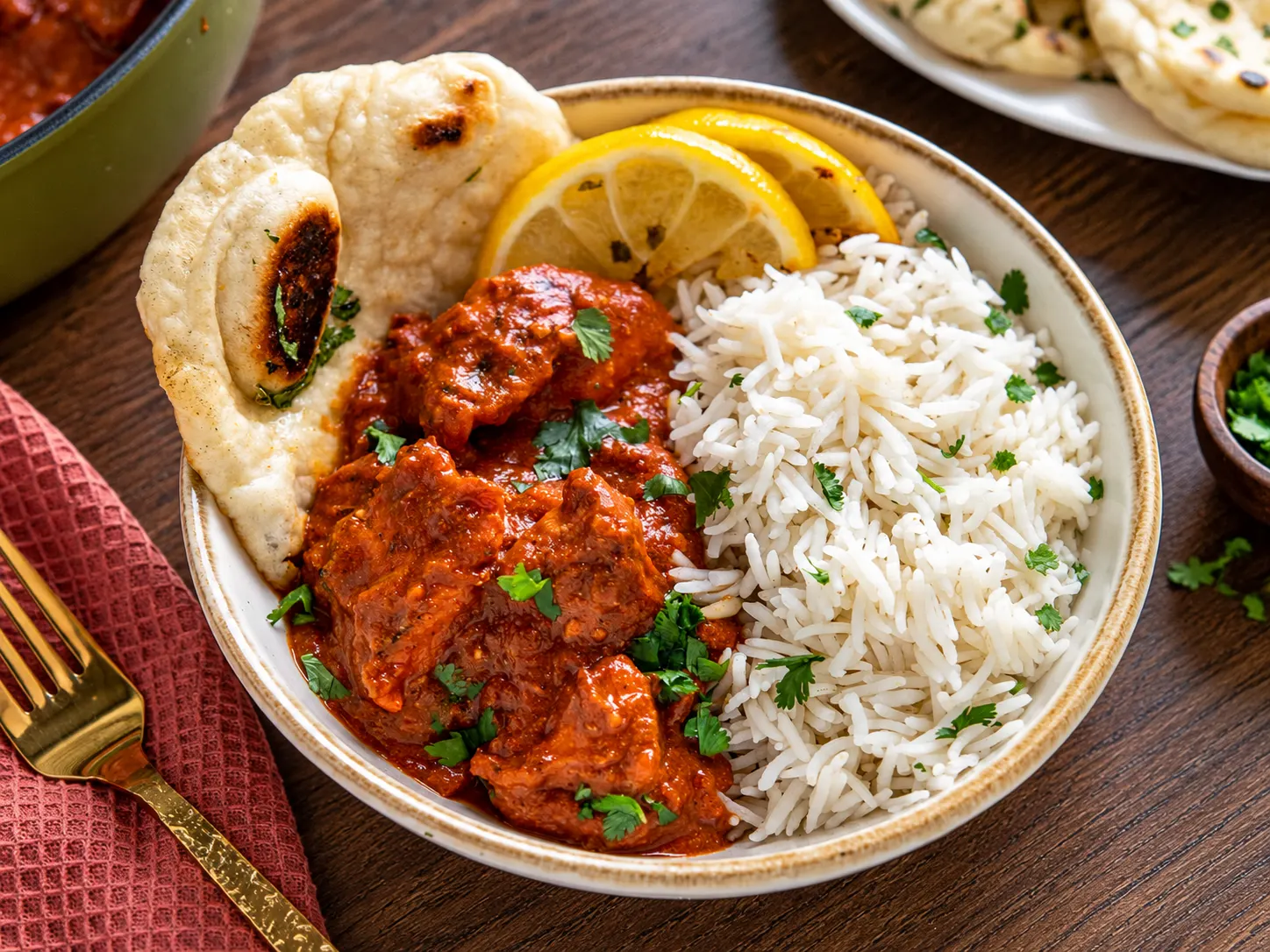
Chicken Tikka Masala appeared at number 21 on the list, but the dish was displayed with a British flag. That classification quickly became the centre of the online conversation. For many Indian users, the name itself is closely associated with Indian cuisine. The dish combines chicken tikka with a rich, spiced sauce and has become a familiar part of Indian restaurant menus around the world. The British classification, therefore, prompted questions about whether the dish should be described as Indian, British, or as a food that developed through the interaction of both culinary traditions. Social media users flooded the comments with their reactions, with some directly challenging TasteAtlas over the flag used alongside the dish.
Does it sound British to you?
One social media user strongly objected to the classification, writing that Chicken Tikka Masala is an Indian dish rather than a British one. Another commenter took a more humorous approach, questioning how the dish could suddenly be considered British and pointing towards its Indian-sounding name. The comments reflect a larger debate that has surrounded Chicken Tikka Masala for decades.
The complicated story behind Chicken Tikka Masala
Unlike dishes with a clearly documented origin, the history of Chicken Tikka Masala is disputed. One popular account connects its development with Indian chefs working in the United Kingdom. According to this version, chicken tikka was adapted to suit British diners who preferred their food with more sauce. Another widely discussed claim links the dish to Glasgow, Scotland, where a restaurant owner and chef was once credited with creating it. However, the exact origin remains contested, and there is no universally accepted account that settles the question. This complicated history may explain why the dish is sometimes associated with both Indian and British food cultures.
A dish that crossed borders
Regardless of where Chicken Tikka Masala was first created in its modern form, its popularity has spread far beyond one country. The dish is now served in Indian restaurants across Britain, India and many other parts of the world. Over time, different restaurants and regions have developed their own versions, with variations in spices, sauce, cream and cooking methods. Its international popularity has also made the dish part of a broader conversation about how food changes when it travels between cultures.
TasteAtlas ranking sparks a wider food debate
TasteAtlas frequently publishes rankings of dishes from different countries, and its lists often generate strong reactions online. Food rankings are inherently subjective because they depend on factors such as user ratings, regional preferences and the way dishes are categorized. In this case, the inclusion of four Indian chicken dishes among the higher-ranked entries has been welcomed by many Indian food enthusiasts. At the same time, the British classification attached to Chicken Tikka Masala has opened a separate conversation about culinary identity and the difficulty of assigning a single national label to dishes with complex histories.
Indian food continues to gain global attention
The debate over Chicken Tikka Masala comes at a time when Indian cuisine continues to enjoy strong international popularity. From Butter Chicken and Tandoori Chicken to Chicken 65 and Chicken Tikka, Indian dishes have become familiar to diners across continents. For Indian food lovers, the latest TasteAtlas ranking has therefore produced a mixed reaction pride over the strong performance of Indian dishes, alongside questions about the identity attached to Chicken Tikka Masala.