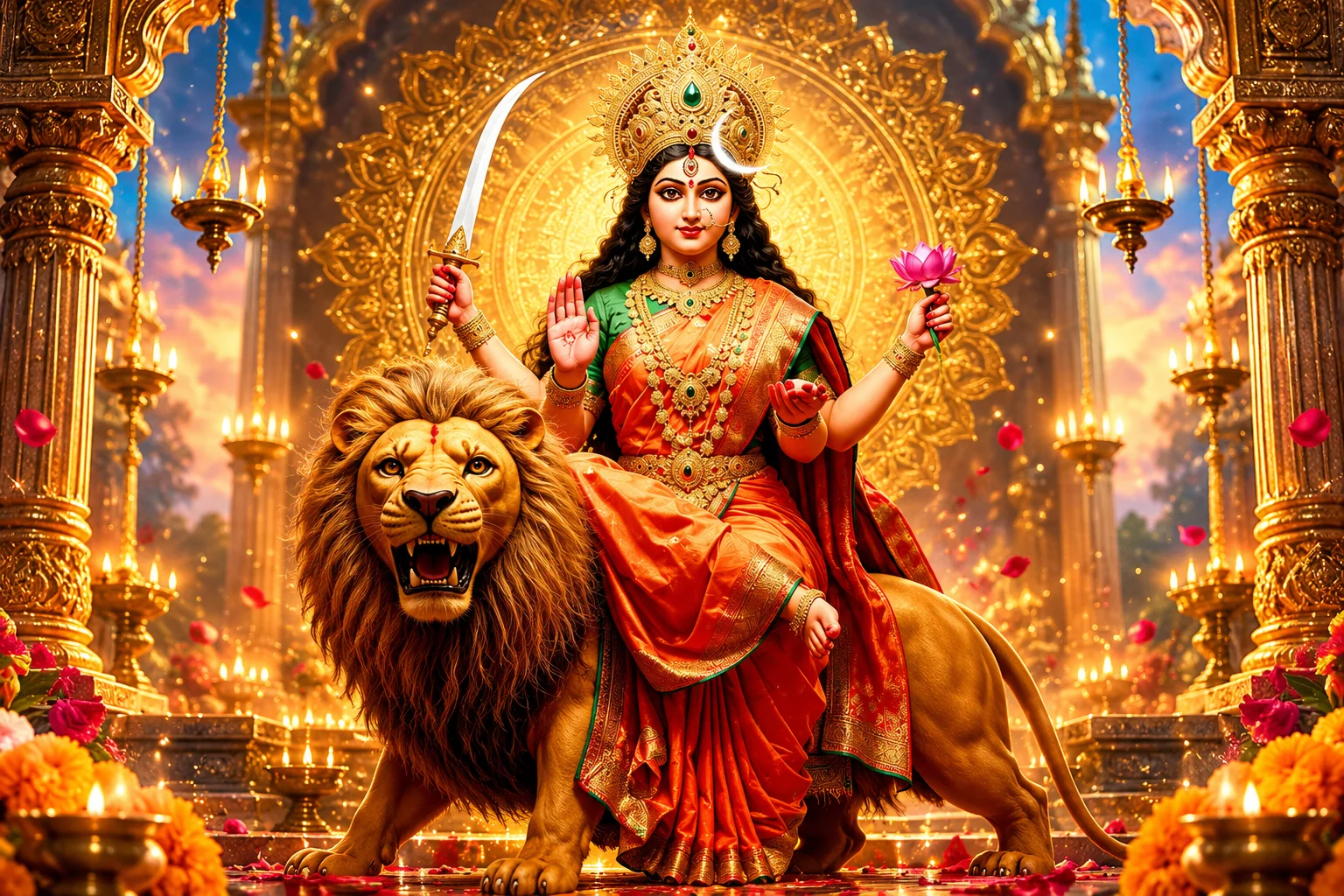
Sharad Navratri Day 6 is being observed on October 16, 2026, in honour of Maa Katyayani, the sixth manifestation of Goddess Durga. Revered as a symbol of strength, courage and the fight against injustice, Maa Katyayani represents the determination to stand up for what is right. Her worship holds spiritual significance for devotees seeking confidence, inner strength and the ability to overcome difficult situations. Beyond religious rituals, her symbolism also offers a meaningful perspective on self-respect, emotional awareness and the importance of maintaining healthy boundaries in everyday life.
Spiritual Significance of Maa Katyayani
According to Hindu traditions, Maa Katyayani is associated with divine power and the destruction of negative forces. Devotees worship her on the sixth day of Navratri, seeking blessings for courage, protection and success in overcoming life's challenges. Her powerful form represents the ability to confront injustice rather than allowing fear or uncertainty to dictate important decisions. In modern life, this message can be applied to personal relationships, professional challenges and situations where individuals struggle to express their concerns. Her spiritual symbolism encourages people to recognise their worth and approach difficult circumstances with determination and wisdom.
Understanding the Connection Between Anger and Emotional Boundaries
Anger is a natural human emotion, but it does not always appear through shouting, arguments or aggressive behaviour. Sometimes, unresolved frustration emerges as irritability, emotional exhaustion, impatience or a growing sense of dissatisfaction. These feelings may develop when individuals repeatedly ignore their own needs, accept unfair treatment or struggle to communicate their expectations. Recognising these emotional patterns can help people understand what is causing their discomfort. Instead of dismissing anger or allowing it to control their actions, individuals can use it as an opportunity to reflect on their circumstances and identify the changes they may need to make.
Why Setting Healthy Boundaries Matters
Maintaining healthy emotional boundaries is an important part of protecting personal well-being. People often avoid difficult conversations because they fear conflict, disappointing others or damaging important relationships. However, continuously prioritising other people's expectations over personal needs can create emotional pressure over time. Whether it involves excessive responsibilities at work, repeated misunderstandings within a family or disrespectful behaviour in a relationship, establishing clear boundaries can help create healthier interactions. Setting boundaries does not mean becoming selfish or deliberately distancing yourself from others. It means communicating what you are comfortable with and expecting mutual respect in return.
Managing Anger Without Creating Conflict
Maa Katyayani's symbolism can also inspire reflection on the difference between strength and aggression. Responding to every disagreement with anger may intensify problems instead of resolving them. A more constructive approach involves recognising emotions, understanding their causes and choosing an appropriate response. Taking a moment before reacting, communicating concerns calmly and listening to different perspectives can help prevent unnecessary conflict. When a situation involves repeated disrespect or unfair treatment, being firm and expressing concerns clearly may be more effective than remaining silent or reacting impulsively. Emotional strength lies not in suppressing every feeling but in learning how to respond to those feelings thoughtfully.
Recognising When It Is Time to Speak Up
Many people tolerate uncomfortable situations because they believe keeping the peace is always the best option. While patience and compromise are valuable in relationships, they should not require someone to repeatedly sacrifice their dignity or emotional well-being. Recognising recurring patterns is an important first step towards meaningful change. Individuals can reflect on whether their concerns are being heard, whether responsibilities are being shared fairly and whether their personal limits are respected. When necessary, an honest conversation or a clear refusal can help establish expectations and prevent resentment from building. In situations involving intimidation, harassment or abuse, seeking support from trusted people or appropriate professionals may also be necessary.
Navratri Day 6: Lessons for Everyday Life
The sixth day of Sharad Navratri offers an opportunity to look beyond traditional worship and reflect on the values associated with Maa Katyayani. Her symbolism encourages courage in difficult moments, clarity when making decisions and determination when confronting unfair circumstances. Devotees can use this occasion to make a conscious effort to communicate more honestly, manage anger constructively and respect both their own boundaries and those of others. Small changes, such as learning to say no when necessary, addressing misunderstandings early and avoiding impulsive reactions, can contribute to healthier relationships and greater emotional balance.
Maa Katyayani's Message of Strength and Self-Respect
Navratri is widely celebrated as a festival of devotion, renewal and the triumph of good over evil. The worship of Maa Katyayani on the sixth day reinforces the importance of courage, righteousness and inner strength. Her symbolism serves as a reminder that maintaining peace should not mean accepting injustice or ignoring personal concerns indefinitely. True strength involves understanding one's emotions, recognising unhealthy patterns and taking responsible action when circumstances demand change. As devotees seek Maa Katyayani's blessings on October 16, 2026, her message offers a timely reminder that courage, self-respect and emotional awareness can help people navigate life's challenges with greater confidence and clarity.