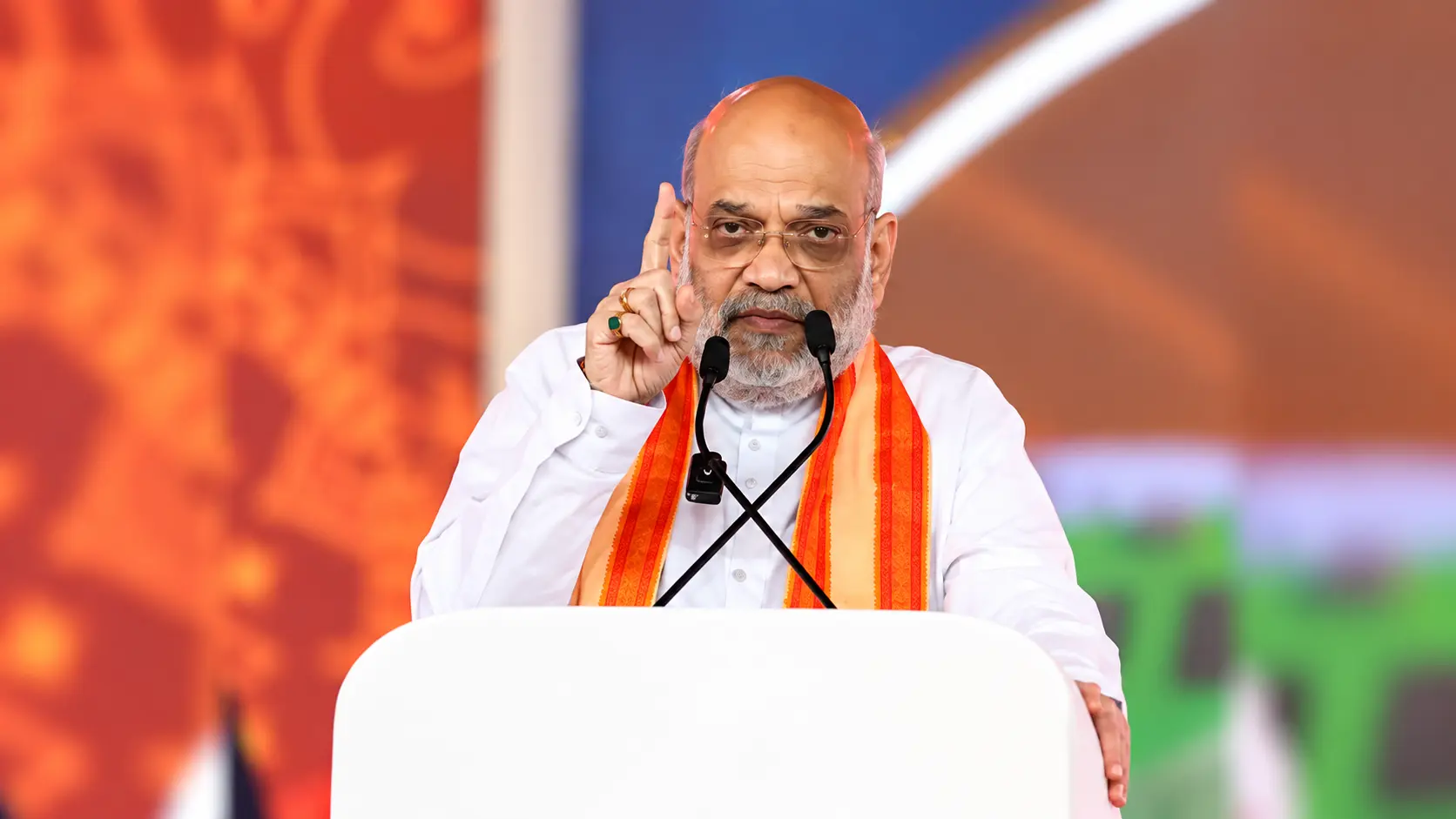
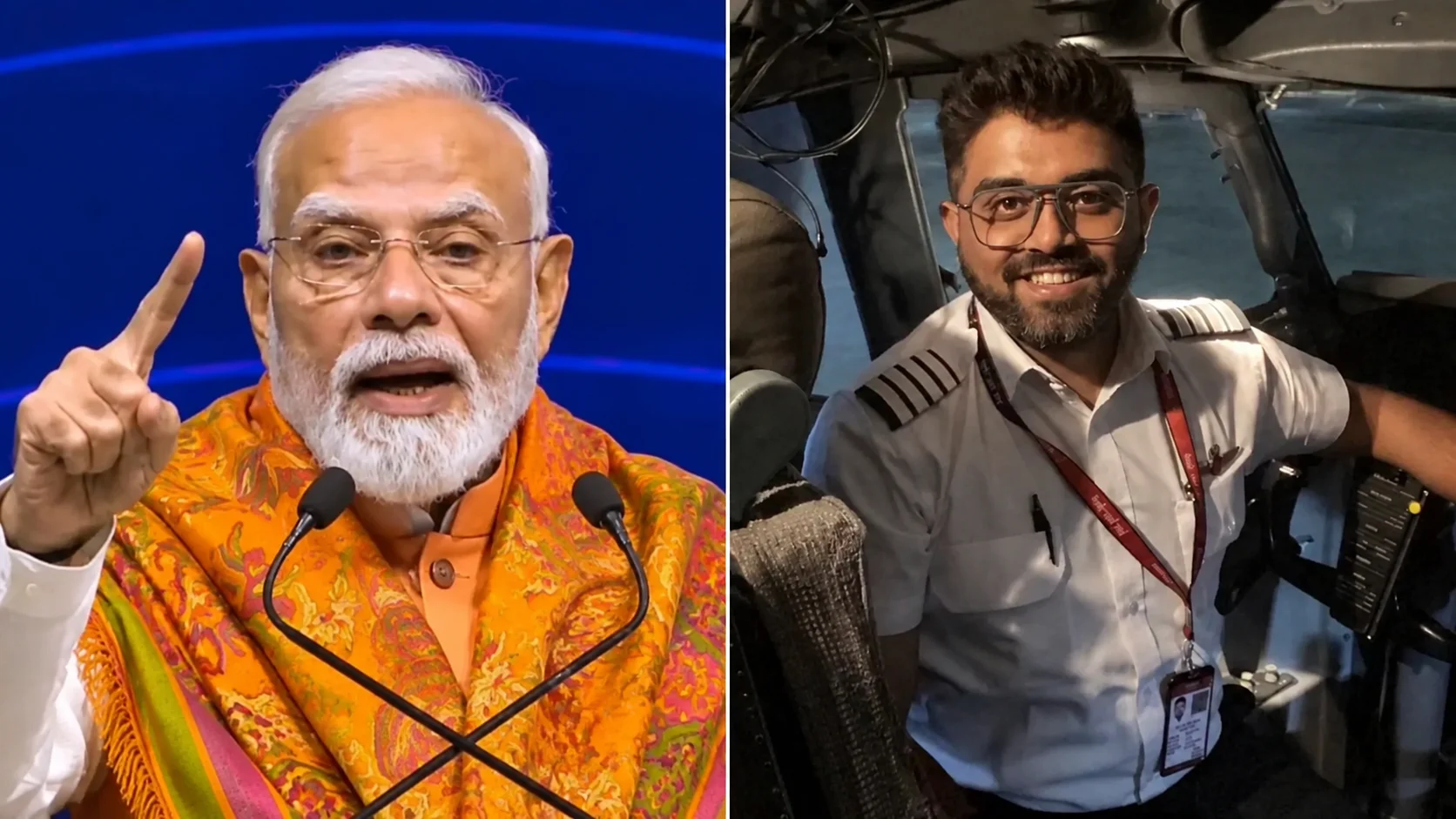
New Delhi: Prime Minister Narendra Modi has linked the courage of Indian pilot Captain Smit Machchhar with a much larger vision for the countrys aviation industry, saying India could eventually become a nation known not only for producing skilled pilots but also for manufacturing aircraft. Speaking at the Seva Bharat event, PM Modi highlighted the growing recognition of Indian aviation professionals around the world. He said that while Indian pilots are already earning global attention for their skills and courage, the next milestone should be seeing aircraft manufactured in India gain international recognition.
PM Modi Praises Captain Smit Machchhar
Captain Smit Machchhars name came into focus following a challenging situation during a Flydubai flight. Her handling of the emergency and commitment to passenger safety drew attention and appreciation. PM Modi referred to her courage while discussing the capabilities of Indians in demanding professions. The reference was more than a tribute to an individual pilotit also served as an example of the training, discipline and responsibility expected from aviation professionals. The Prime Ministers remarks come at a time when Indias aviation sector is expanding rapidly and the country is looking at ways to strengthen its position across the wider aerospace ecosystem.
From Indian Pilots to Indian-Made Aircraft
One of the most significant points in PM Modis remarks was his vision for aircraft manufacturing in India. The Prime Minister said that Indian pilots are being discussed across the world today, and a time will come when the world will also talk about aircraft made in India. The statement reflects an ambition to move beyond being a major consumer of aviation products and services. India already has a large and growing aviation market, but developing a strong domestic aircraft manufacturing ecosystem would represent a much bigger industrial opportunity. Aircraft manufacturing requires expertise across multiple fields, including engineering, advanced materials, avionics, software, precision manufacturing and safety systems. Building these capabilities domestically could have an impact far beyond the aviation industry itself.
Why Aircraft Manufacturing Matters for India
Developing aircraft in India could create opportunities across a wide network of industries. From small component manufacturers to major engineering companies, several businesses could become part of the aviation supply chain. The sector could also generate demand for highly skilled professionals, including aerospace engineers, aircraft designers, technicians, software specialists and researchers. A stronger domestic manufacturing base could eventually help India reduce dependence on imported aviation equipment while creating opportunities to participate more actively in global aerospace supply chains. However, building a globally competitive aircraft industry is a long-term process. It requires substantial investment, advanced research facilities, skilled manpower and strict adherence to international safety and certification standards.
Make in India Gets a New Dimension
The Prime Ministers comments also fit into the broader Make in India approach, which has focused on expanding manufacturing capabilities within the country. For aviation, the idea goes beyond assembling aircraft. A mature ecosystem would involve designing aircraft, manufacturing critical components, developing aviation technologies and creating reliable maintenance and support systems. If these capabilities continue to develop, India could potentially emerge as an important destination for aerospace manufacturing and engineering. The benefits could extend to several sectors, including electronics, artificial intelligence, robotics, advanced manufacturing and defence technology.
Growing Aviation Demand Could Support Domestic Manufacturing
Indias aviation market has witnessed significant growth in recent years. More people are travelling by air, airlines are expanding their fleets and airports are being developed across different parts of the country. This growing demand creates a large domestic market for aviation-related products and services. For Indian manufacturers, having a strong home market could provide an important foundation for developing and testing new technologies before taking them to international markets. The challenge, however, will be to ensure that Indian-made aircraft meet the technical, operational and safety requirements expected by airlines and regulators around the world.
A Message for Indias Next Generation
PM Modis reference to Captain Smit Machchhar also carries a message for young Indians entering technical and professional fields. Her example highlights the importance of preparation, skill and composure when dealing with difficult situations. At the same time, the Prime Ministers larger aviation vision points towards opportunities that could emerge as India expands its technological capabilities. For students and young professionals interested in aerospace, aviation and engineering, a growing domestic industry could create new career paths in areas ranging from aircraft design to maintenance and research.
Indias Aviation Ambition Is Moving Beyond the Cockpit
The significance of PM Modis statement lies in the shift from celebrating Indian talent in aviation to imagining India as a producer of aviation technology. Indian pilots are already working with airlines across the world, while Indian engineers and technology professionals contribute to global aerospace projects. The next challenge is building an ecosystem that can convert this human talent into globally competitive products. Captain Smit Machchhars story provided the immediate backdrop for the Prime Ministers remarks, but the broader message was about Indias future in aviation. From skilled pilots and engineers to aircraft designers and manufacturers, the ambition is to build a complete aviation ecosystem within the country.