
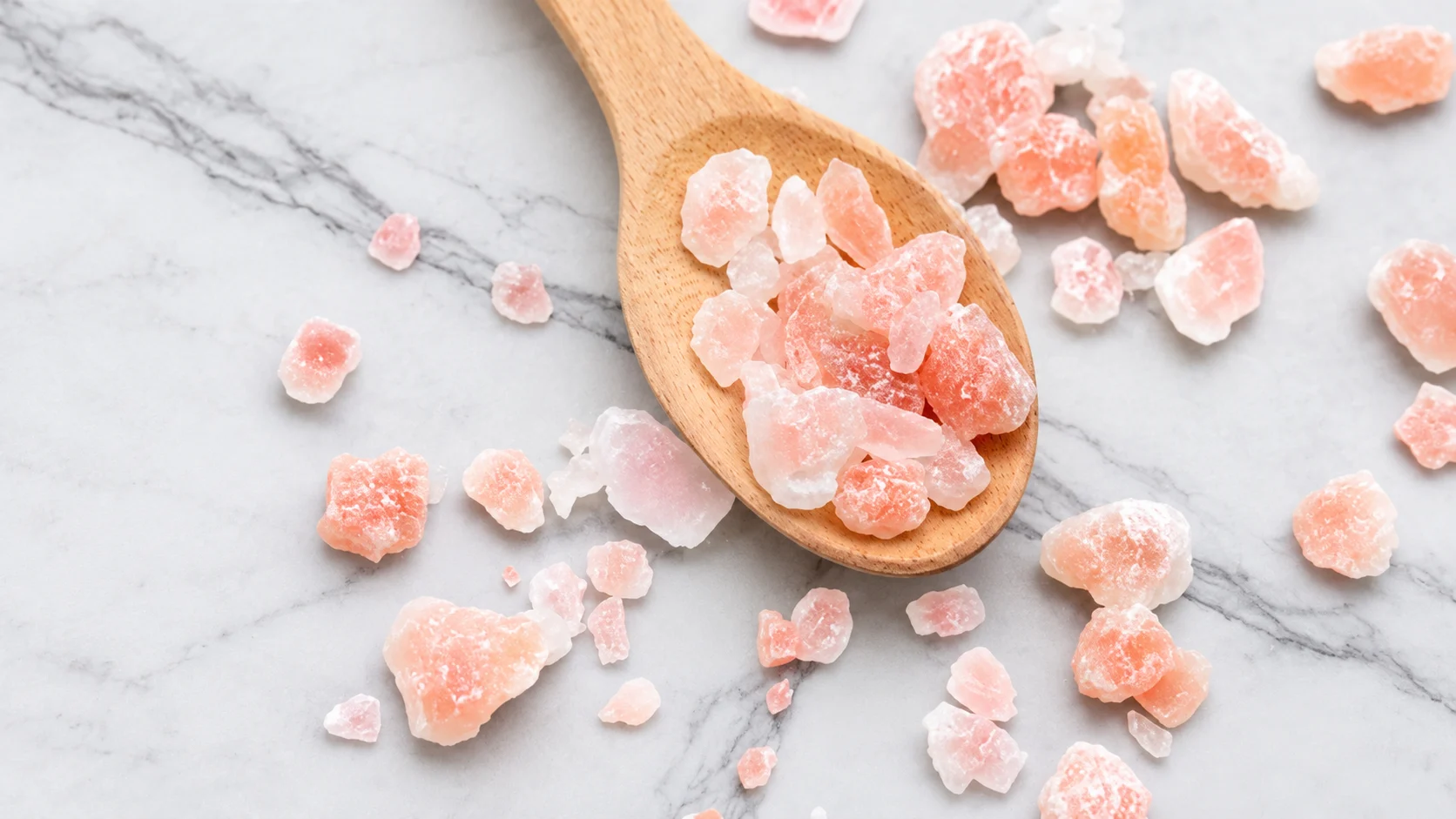
Pink Himalayan salt, black salt and rock salt are becoming increasingly popular in kitchens as alternatives to regular table salt. Many people prefer these varieties because they are considered natural or less processed. However, when it comes to iodine, an essential mineral required by the human body, not all salts offer the same benefits. Understanding their iodine content can help people make informed decisions about their daily diet and maintain better thyroid health.
Why Does Your Body Need Iodine?
Iodine is an essential micronutrient that the thyroid gland uses to produce two important hormones, thyroxine (T4) and triiodothyronine (T3). These hormones help regulate metabolism, maintain body temperature and support the normal functioning of several organs. Iodine is also particularly important during pregnancy and early childhood because it supports the development of the baby's brain and nervous system. Insufficient iodine intake during pregnancy can affect a child's development, while prolonged deficiency in adults may contribute to thyroid problems, including hypothyroidism and goitre, a condition characterised by an enlarged thyroid gland. Since the human body cannot produce iodine naturally, it must obtain this nutrient through food. Seafood, dairy products and eggs can contribute to iodine intake, although the amount varies depending on the food source and dietary habits. Iodised salt is another important source because it provides a convenient and affordable way to help prevent iodine deficiency. This is why iodisation programmes have been introduced in many countries, including India, to improve iodine intake across the population.
Table Salt: Is It the Best Source of Iodine?
Regular table salt is generally a reliable source of iodine when the product is specifically labelled as iodised. During processing, manufacturers add iodine in controlled amounts to help consumers meet their dietary requirements. For people who do not regularly consume iodine-rich foods, using iodised salt in moderation can contribute significantly to maintaining adequate iodine intake. However, the iodine content can vary between products and may be affected by storage conditions and handling. It is important to remember that consuming more salt is not the right way to increase iodine intake. Excessive sodium consumption is associated with high blood pressure and an increased risk of cardiovascular disease. The World Health Organization recommends that adults consume less than 2,000 milligrams of sodium per day, equivalent to less than 5 grams of salt. Choosing iodised salt while keeping overall salt consumption within recommended limits is a practical approach to supporting both thyroid health and cardiovascular health.
Pink Himalayan Salt: Does It Contain Enough Iodine?
Pink Himalayan salt has gained popularity among people who prefer natural-looking ingredients and alternatives to conventional table salt. Its distinctive pink colour comes from naturally occurring trace minerals. However, the presence of these minerals does not automatically make it a better source of iodine. Unfortified pink Himalayan salt generally contains little iodine compared with properly iodised salt, although its exact composition can vary depending on its source and processing. Another common misconception is that natural salts provide all the essential minerals the body needs. Although pink salt may contain small quantities of certain minerals, the amounts consumed during ordinary cooking are generally too small to make it a significant source of these nutrients. People who replace iodised salt entirely with non-iodised pink salt should therefore pay attention to their iodine intake from other dietary sources.
Rock Salt: Is Sendha Namak a Good Source of Iodine?
Rock salt, commonly known as sendha namak in India, is widely used in traditional cooking and during religious fasting. It is obtained from natural salt deposits and is available in different forms depending on its source and processing. Although it is often preferred as a traditional alternative to regular table salt, its natural origin does not guarantee an adequate iodine content. Ordinary rock salt should not be considered a dependable source of iodine unless it has been specifically iodised. People who regularly use sendha namak instead of iodised table salt may receive less iodine from salt, particularly if their diets contain few other iodine-rich foods. Checking product labels for iodine fortification can help consumers make a more informed choice.
Black Salt: What Should You Know About Its Iodine Content?
Black salt, commonly called kala namak, is a popular ingredient in Indian cuisine. Its distinctive flavour makes it a common addition to fruit salads, chutneys, raitas and other dishes. However, its culinary appeal does not necessarily translate into nutritional advantages when it comes to iodine. The iodine content of black salt depends on its composition and whether iodine has been added during processing. Unfortified black salt should not be relied upon as a consistent source of iodine. People who use it regularly should check the product label and consider whether their overall diet provides enough of this essential nutrient. As with other salt varieties, black salt should also be consumed in moderation because it contributes to overall sodium intake.
Which Salt Should You Choose for Better Thyroid Health?
The most important difference between regular table salt, pink Himalayan salt, rock salt and black salt is whether they provide a reliable amount of iodine. For most households, properly iodised salt is a practical option for helping prevent iodine deficiency. Specialty salts can still be enjoyed for their flavour and culinary uses, but replacing iodised salt entirely with non-iodised alternatives may reduce iodine intake if other dietary sources are limited. Consumers should check product labels carefully, store salt in a closed container away from moisture and excessive heat, and maintain a balanced diet that includes appropriate sources of iodine. People with thyroid disorders should consult a healthcare professional before taking iodine supplements because excessive iodine intake can also affect thyroid function. The goal is to obtain enough iodine to meet the body's needs without consuming excessive amounts of salt.