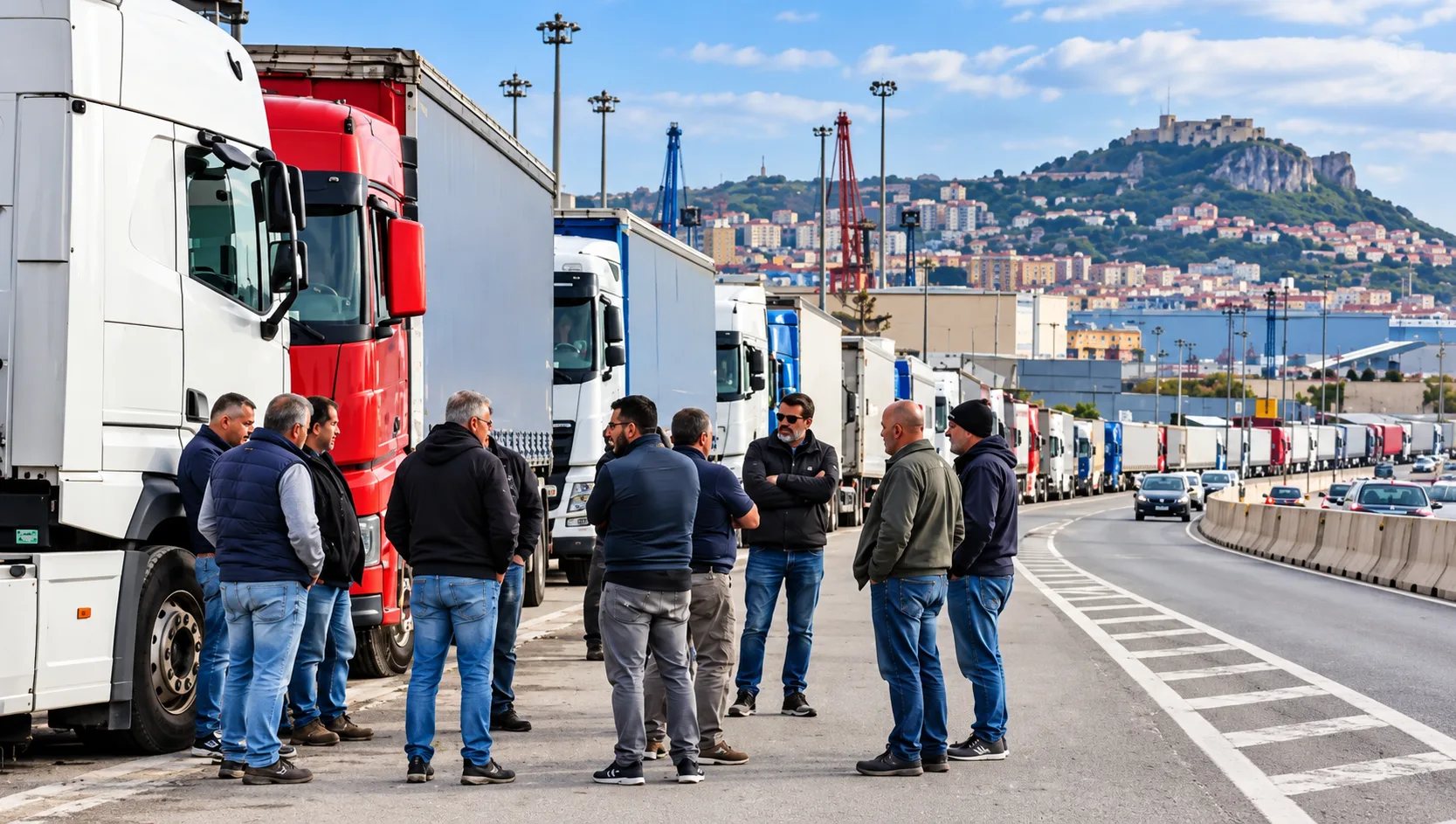
Truck drivers in southern Italy continued their protests against high diesel prices on Thursday, disrupting food transportation and raising concerns about mounting losses for farmers. The demonstrations have also affected fishing activities, with fishing fleets in the port of Ancona reportedly remaining idle amid growing pressure over fuel costs. The ongoing road blockages are preventing agricultural products from reaching markets on time, increasing the risk of food waste and financial losses. Farmers representatives have warned that the situation could cause lasting damage to agricultural businesses if transport operations do not return to normal soon.
Rising Diesel Prices Trigger Protests Across Southern Italy
The demonstrations have continued across several areas of southern Italy as truck drivers protest against the rising cost of diesel. Fuel is a major operating expense for transport companies, and higher prices can make it increasingly difficult for businesses to operate profitably. Despite the prospect of financial assistance for truckers, protesters have continued their demonstrations, putting additional pressure on road transport and supply chains. The impact has also extended to the fishing industry. Fishing fleets in Ancona have reportedly remained inactive as businesses face rising fuel expenses, highlighting how higher diesel prices are affecting multiple sectors of the economy.
Farmers Struggle as Fresh Produce Remains Stuck
Italys agricultural industry is facing growing difficulties because of the transport disruptions. According to Confagricoltura, an agricultural lobby group, the effects have spread beyond buffalo mozzarella to seasonal vegetables and fruits, including tomatoes. Fresh agricultural products are particularly vulnerable to transport delays because they have a limited shelf life. When trucks cannot collect and deliver harvested crops on time, produce may deteriorate before reaching wholesalers, retailers or consumers. For farmers, these delays can translate into direct financial losses. The cost of growing and harvesting crops has already been incurred, but producers may be unable to sell their goods if deliveries are delayed for too long.
Tomatoes and Buffalo Mozzarella Among Products Affected
The disruption initially drew attention to problems affecting buffalo mozzarella, but the situation has reportedly expanded to include seasonal vegetables and fruit. Tomatoes are among the products facing difficulties because fresh produce requires timely transportation and appropriate storage. Delayed deliveries can reduce quality and market value, while prolonged interruptions may leave some products unsellable. The consequences could extend beyond farms to food processors, distributors and retailers that rely on regular shipments. Businesses may face missed orders, additional logistical expenses and uncertainty over when supplies will arrive. However, the total volume of affected produce and the overall value of losses have not been confirmed in the information available.
Confagricoltura Warns of Serious Economic Consequences
Confagricoltura has warned that continuing road blockages are putting agricultural companies under severe pressure. The organisation said the economic damage could become irreversible if disruptions continue. It has called for normal transport operations to resume, stressing the need to prevent further food waste and lost revenue. Agricultural businesses often operate according to strict seasonal schedules. When harvested produce cannot reach its destination at the right time, the financial consequences can extend beyond a single delivery. Smaller farms may be particularly vulnerable because they often have limited resources to absorb unexpected losses or arrange alternative transportation.
Could the Protests Affect Food Supplies and Prices?
If the transport disruptions continue, food distribution could face further challenges in affected regions. Delayed shipments may affect supplies to markets, restaurants, supermarkets and food-processing facilities. Consumers could also experience indirect effects if supply problems persist. Depending on the scale and duration of the disruption, businesses may face higher distribution costs or difficulties maintaining regular stocks. However, there is currently insufficient information to establish whether the protests have caused widespread shortages or significant increases in consumer prices.
Finding a Solution to the Diesel Price Dispute
The protests highlight the challenge of managing rising fuel costs while protecting essential supply chains. Financial assistance could help transport operators manage some of their expenses, but its effectiveness will depend on the support available and how quickly it reaches eligible businesses. Restoring the movement of goods is also important for farmers who need to deliver perishable products before their quality deteriorates. A lasting solution would need to address transport operators concerns while minimising disruption to agriculture, fishing and food distribution.