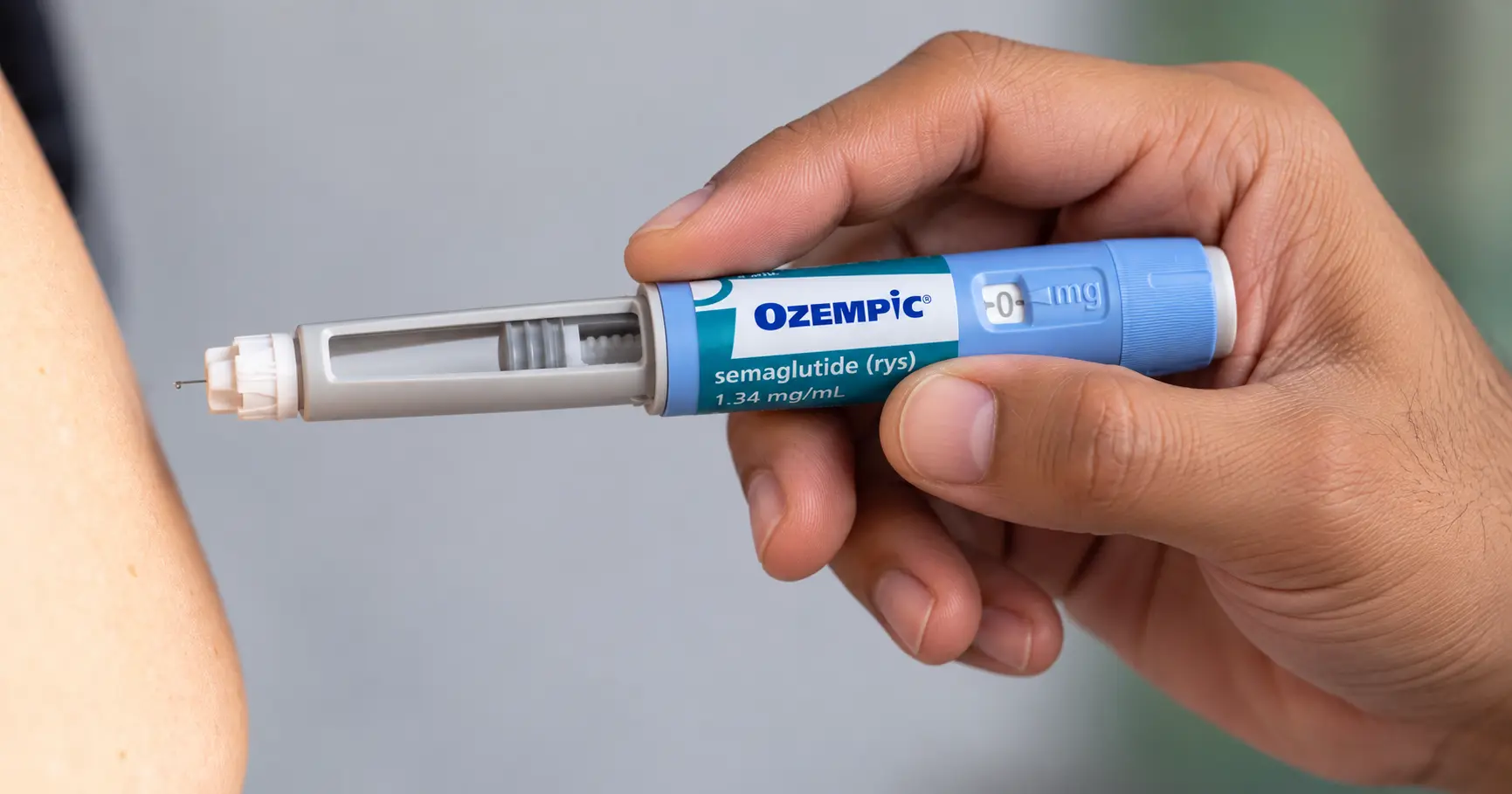
Two Indian nationals have been charged in the United States over an alleged scheme involving the smuggling and distribution of counterfeit Ozempic, a prescription medicine widely used to manage Type 2 diabetes and also associated with weight loss. According to the US Department of Justice, Swapandip Roy and Vicky Ramancha allegedly sourced fake Ozempic products from China and supplied them to distributors in the United States at prices below those of genuine medicines. The case has been brought before a federal grand jury in the Middle District of Florida. Prosecutors allege that the operation involved a network of individuals who attempted to make counterfeit products appear genuine.
One Accused Pleads Not Guilty
Roy was brought before a federal court in Tampa, Florida, following his extradition from Italy. During his initial court appearance, he pleaded not guilty to the charges against him. Ramancha, meanwhile, has not been taken into custody and remains at large, according to the Justice Department. If convicted on the charges filed against them, the two defendants could face a combined maximum sentence of up to 71 years in prison, although any eventual sentence would be determined by the court based on the charges and applicable federal sentencing rules. The allegations remain subject to court proceedings, and the defendants are presumed innocent unless proven guilty.
Alleged Supply Chain Began in China
Court documents cited by US authorities allege that the defendants obtained counterfeit Ozempic from unauthorized sources in China between July 2023 and April 2024. Investigators claim that the products were prepared in a way intended to make them look like legitimate pharmaceutical products. The alleged counterfeit shipments reportedly included more than just imitation medicine. Packaging materials, product inserts, pen labels and needles were also included, according to the indictment. Authorities say these materials were allegedly used to give buyers the impression that they were purchasing genuine Ozempic.
Fake Products Sold to US Distributors
Prosecutors allege that the counterfeit medication was subsequently sold to distributors in the United States. Ozempic, manufactured by Novo Nordisk, is a prescription medicine containing semaglutide and is primarily used for the treatment of Type 2 diabetes. Its effects on appetite and body weight have also contributed to its popularity. Because legitimate versions of the medication can be expensive, authorities allege that the defendants used discounted prices to attract purchasers. The investigation is focused on whether the accused knowingly introduced counterfeit prescription medicines into the US pharmaceutical supply chain.
FDA Had Already Issued a Warning
The Justice Department said the alleged operation continued even after US authorities took action against some counterfeit Ozempic products. According to prosecutors, the US Food and Drug Administration (FDA) seized certain counterfeit products in December 2023 and subsequently issued a public warning about them. Authorities allege that the defendants nevertheless continued their activities after the seizure and warning. The development has renewed concerns among US authorities about counterfeit medicines entering legitimate distribution channels, particularly when the products are intended for people with serious medical conditions.
Officials Warn of Health Risks
US law enforcement officials have emphasized that counterfeit prescription drugs can pose serious risks to patients. A. Tysen Duva, Assistant Attorney General of the Justice Department's Criminal Division, said counterfeit medicines can threaten consumers who depend on the pharmaceutical supply system. According to prosecutors, the case involves allegations that the defendants prioritized financial gain while putting consumers at potential risk. The Justice Department said it would continue pursuing individuals involved in the distribution of counterfeit prescription medicines.
FDA Investigating the Alleged Scheme
The FDA's Office of Criminal Investigations is also involved in the case. Justin Green, Assistant Commissioner of the FDA's Office of Criminal Investigations, said the US pharmaceutical distribution system is heavily regulated, but attempts to bypass those safeguards can expose consumers to potentially dangerous products. The FDA has stressed that the safety of medicines depends not only on checks within the United States but also on international cooperation. Investigators routinely work with other US agencies, foreign authorities and private-sector partners when suspected counterfeit medicines are identified.
Roy's Extradition From Italy
Roy's journey to the US courtroom followed an international law-enforcement process. The Justice Department's Office of International Affairs helped secure his continued detention after he was arrested in Italy pursuant to an INTERPOL Red Notice. US authorities subsequently submitted a formal extradition request to Italy. Roy was later extradited to the United States, where he appeared before the federal court in Tampa. The international nature of the case highlights the challenges authorities face when counterfeit medicines are sourced overseas and later introduced into another country's pharmaceutical market.
Investigation and Court Proceedings Continue
The case against Roy and Ramancha is now moving through the US federal court system. Prosecutors will have to establish the allegations against the defendants through the legal process. Ramancha remains wanted, while Roy will continue to face proceedings following his not-guilty plea. The case also underscores the broader concern surrounding counterfeit prescription medicines and the potential consequences of fake products entering regulated pharmaceutical supply chains. US authorities have urged consumers and businesses to remain cautious when purchasing prescription medicines and to obtain them through legitimate, authorized channels.