US President Donald Trump said Tuesday that he and several leading technology executives had signed an agreement aimed at addressing the growing risks and responsibilities associated with artificial intelligence. Trump described the document as morally binding and compared it to a constitutional framework, saying it was intended to provide a form of protection as AI technology continues to develop at a rapid pace. The agreement comes as governments and technology companies around the world face growing pressure to establish safeguards around increasingly powerful artificial intelligence systems.
Trump Compares AI Agreement to a Constitution
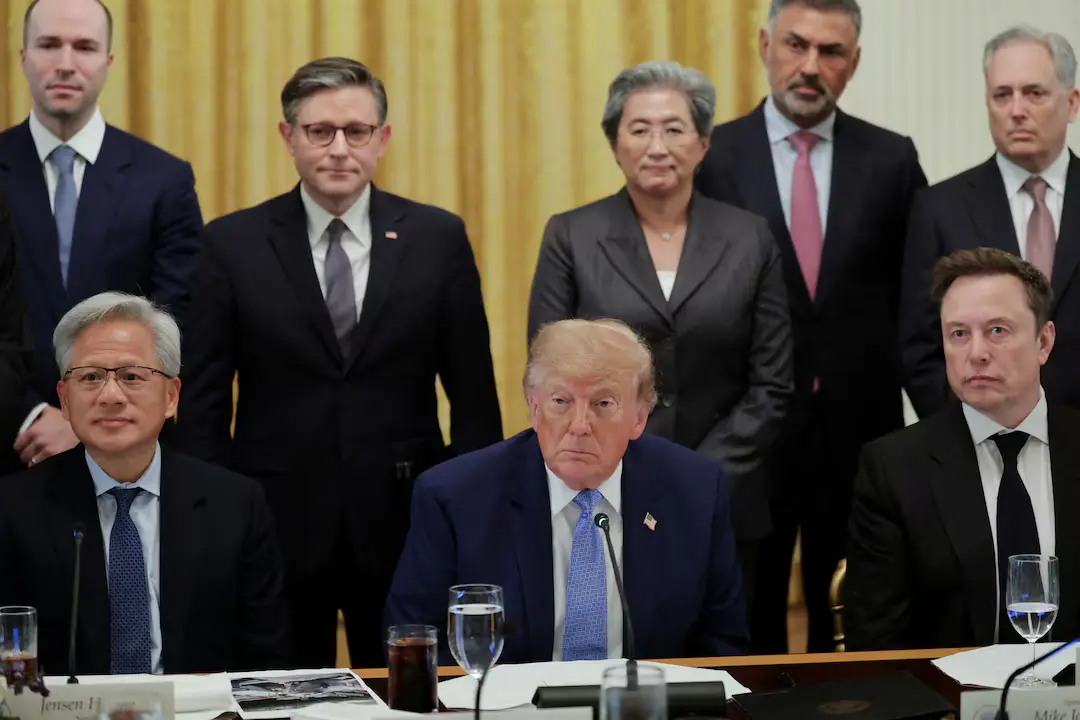
Speaking to reporters after meeting technology leaders in Washington, Trump said the document represented a significant commitment from some of the world's biggest technology companies. Trump said it was almost like a Constitution and noted that major technology figures had signed the document along with him. He presented the agreement as a way of establishing shared responsibility for the development and use of AI, although the document does not carry the same legal status as legislation passed by Congress.
Administration Considers AI Oversight Committee
Trump also revealed that his administration was considering the creation of a dedicated committee to oversee developments in the artificial intelligence sector. According to Trump, the proposed body could consist of around 10 members and would be tasked with monitoring the broader AI industry. The details of the proposed committee, including its authority, membership and operating structure, have not yet been finalized. Such a body could potentially provide the administration with a mechanism to track developments in AI while avoiding a system based entirely on direct government regulation.
Major Technology Leaders Attend Meeting
The meeting brought together several prominent figures from the technology and artificial intelligence industries. Among those attending were executives and leaders associated with major AI and semiconductor companies, including Meta CEO Mark Zuckerberg, Nvidia CEO Jensen Huang and Anthropic CEO Dario Amodei. Their presence highlighted the importance Washington is placing on cooperation with the private sector as the United States seeks to maintain its position as a global leader in artificial intelligence.
Growing Concerns Over AI Safety
Artificial intelligence has developed rapidly in recent years, with advanced systems increasingly capable of generating text, images, software and other forms of content. Alongside those developments, concerns have grown over issues such as misinformation, cybersecurity, privacy, misuse of AI systems and the potential consequences of increasingly autonomous technologies. Leading AI companies have previously called for cooperation between governments and the technology industry to address some of these challenges. The latest agreement appears to be part of that broader discussion over how AI development can continue while potential risks are managed.
Trump Has Opposed Broad AI Regulation
Trump has previously argued against imposing extensive new federal regulations specifically targeting artificial intelligence. His administration has generally emphasized technological innovation and maintaining America's competitive position against other countries in the global AI race. That approach differs from proposals that call for stronger government controls over the development and deployment of advanced AI systems. The new agreement therefore represents an effort to establish commitments from technology companies without necessarily creating a comprehensive new regulatory framework.
Focus on Industry Self-Governance
One of the central elements of the agreement is the idea that AI companies should take greater responsibility for monitoring and managing risks associated with their own technologies. Industry-led safeguards could include internal risk assessments, safety procedures and independent reviews of AI systems. Supporters of this approach argue that technology companies can respond more quickly to rapidly changing AI capabilities than traditional regulatory systems. At the same time, questions remain over how voluntary commitments would be enforced and what consequences companies could face if they fail to meet the standards outlined in the agreement.
What Happens Next?
The proposed oversight committee could become an important part of the administration's approach to AI if it is formally established. However, several details still need to be clarified, including who would serve on the committee, what powers it would have and how its work would interact with existing government agencies. The effectiveness of the agreement will ultimately depend on how seriously participating companies implement the commitments they have made. As artificial intelligence continues to expand into business, healthcare, education, entertainment and other sectors, the debate over the right balance between innovation, industry responsibility and government oversight is expected to continue. For now, Trump's agreement with technology executives signals Washington's preference for cooperation and voluntary commitments while the United States continues to develop its broader strategy for managing the rapidly changing AI landscape.