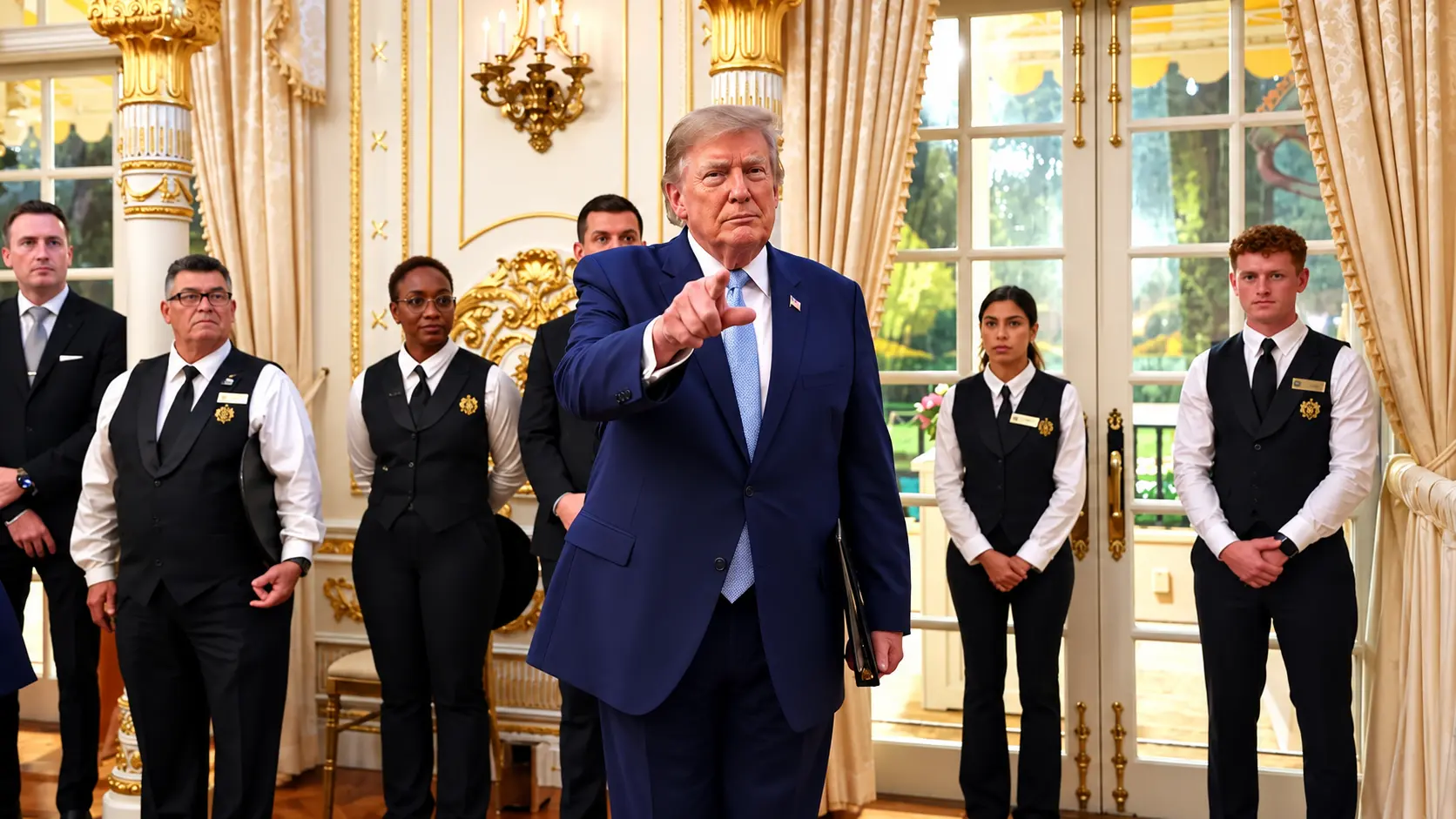
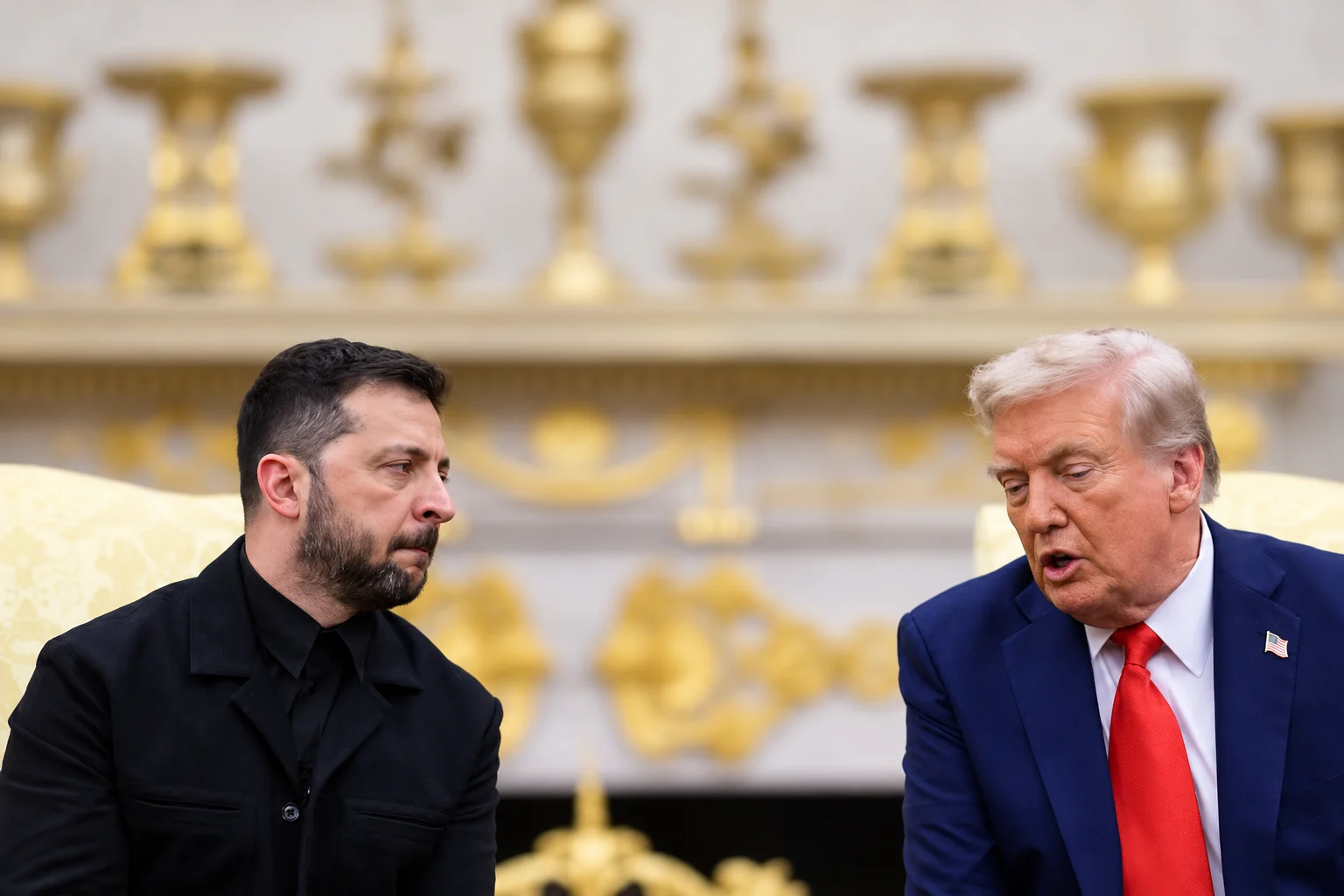
Trump Putin Zelenskyy Meeting: US President Donald Trump has indicated that a meeting involving Russian President Vladimir Putin and Ukrainian President Volodymyr Zelenskyy could be arranged soon as Washington continues its efforts to find a way to end the Russia-Ukraine war. His latest remarks have renewed attention on the possibility of diplomatic negotiations, although no confirmed date, venue, or formal agenda has been announced. The conflict, which has entered its fifth year, remains a major international concern. Despite repeated diplomatic initiatives, reaching an agreement acceptable to both Moscow and Kyiv has proved difficult. Trump's latest comments suggest that his administration is continuing to explore ways to bring the two sides closer to negotiations.
Trump Says Meeting Could Take Place Soon
Speaking to reporters on Wednesday morning after returning from Texas, Trump expressed optimism about the progress of discussions involving Russia and Ukraine. The US president indicated that his administration was working towards arranging a meeting involving Putin and Zelenskyy. When asked about the possible timing, he suggested that the meeting could happen before too long, without providing a specific date. Trump also indicated that a resolution might not necessarily require a direct meeting between the two leaders. His remarks suggest that alternative diplomatic channels could also play a role in efforts to move the peace process forward. However, it remains unclear whether the proposed meeting would involve both presidents sitting together or whether negotiations would proceed through separate diplomatic engagements. For now, Trump's statement represents a possible step towards renewed dialogue rather than confirmation of a breakthrough agreement.
Why Ending the Russia-Ukraine War Remains Difficult
Bringing the conflict to an end remains a complicated diplomatic challenge. Russia and Ukraine have significant differences over territorial control, national security, and the political arrangements that would follow any settlement. Ukraine has consistently emphasised the importance of protecting its sovereignty and territorial integrity. Russia, meanwhile, has maintained demands and security-related positions that have complicated efforts to reach a mutually acceptable agreement. Any meaningful peace deal would require both countries to address these differences through negotiations. The parties would also need to consider how a potential ceasefire would be implemented, monitored, and maintained. These unresolved questions have made previous diplomatic initiatives difficult to translate into a lasting settlement. Although Trump's latest remarks have raised the possibility of fresh discussions, there is currently no public confirmation that Moscow and Kyiv have agreed on the terms of a new negotiation process.
Marco Rubio and Steve Witkoff Join Trump in Diplomatic Discussions
US Secretary of State Marco Rubio and special envoy Steve Witkoff accompanied Trump during his visit to Texas. According to the president, discussions during the trip covered both the Russia-Ukraine conflict and the war involving Iran. Their involvement highlights the administration's continuing focus on international diplomacy and efforts to address conflicts affecting global security. Rubio plays a central role in US foreign policy, while Witkoff has been involved in the administration's diplomatic efforts. Their participation could be significant if Washington moves towards a more structured negotiation process involving Moscow and Kyiv. Nevertheless, Trump did not disclose details of any specific proposals discussed during the trip. He also did not announce a breakthrough or confirm that Russia and Ukraine had accepted a common framework for negotiations. The next steps will depend on the diplomatic contacts that follow and the willingness of both sides to engage in meaningful discussions.
Trump Mentions Nuclear Disarmament Talks With China's Xi Jinping
Trump also referred to an upcoming discussion with Chinese President Xi Jinping on nuclear disarmament, suggesting that Russia could be relevant to broader conversations on the subject. Nuclear weapons control remains an important issue for global security, particularly as relations between major powers continue to face challenges. The United States, Russia, and China are key players in discussions concerning strategic stability and the future of international arms control. Any progress towards nuclear disarmament would require sustained engagement and agreement on specific commitments. However, Trump's remarks did not establish whether a formal proposal had been prepared or whether Washington, Beijing, and Moscow had agreed to participate in a coordinated initiative. The comments nevertheless indicate that the administration is considering several major international issues alongside its efforts to address the war in Ukraine.
Trump's 24-Hour Promise Faces the Reality of a Prolonged Conflict
During his 2024 presidential campaign, Trump claimed that he could end the Russia-Ukraine war within 24 hours of taking office. However, efforts to secure a settlement following his return to the White House have encountered substantial obstacles. Military developments, competing political objectives, and disagreements over possible peace terms have complicated the process. Trump has also expressed frustration with Zelenskyy in recent weeks, criticising Ukrainian attacks on Russian energy infrastructure and linking them to higher energy costs in the United States. However, fuel prices are influenced by several factors, including international crude oil markets, supply disruptions, geopolitical tensions, and broader economic conditions. The conflict involving Iran has also raised concerns about energy supplies and market stability. Meanwhile, rising costs for fuel, healthcare, and housing have placed domestic economic issues under greater scrutiny in the United States. These pressures add another dimension to the administration's foreign policy challenges, as voters continue to pay attention to the economic consequences of international conflicts.
Can a Trump-Brokered Meeting Bring Lasting Peace?
The possibility of a meeting involving Putin and Zelenskyy raises an important question: Can renewed diplomacy produce a settlement that both Russia and Ukraine are willing to accept? Arranging talks would be an important diplomatic development, but it would not automatically guarantee a ceasefire or a permanent end to hostilities. Any progress would depend on the willingness of both countries to negotiate, the proposals put forward by the United States, and the ability of the parties to resolve their fundamental disagreements. Issues such as territorial claims, security guarantees, and the implementation of any ceasefire could prove particularly challenging.