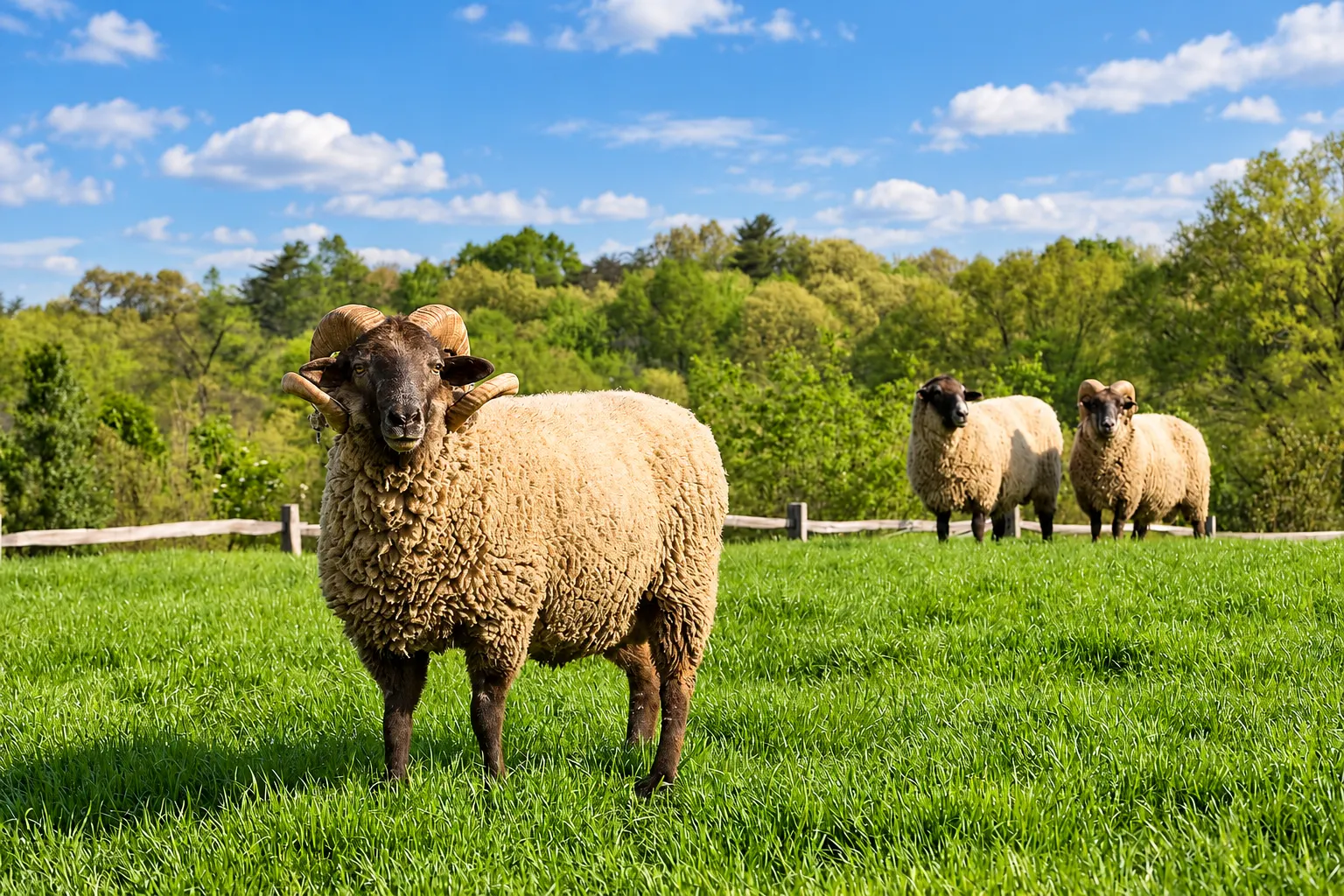
A devastating hurricane forced residents to abandon Virginias Hog Island in 1933, but some sheep were left behind. Decades later, conservationists discovered the animals thriving in their natural surroundings, bringing renewed attention to one of Americas rarest heritage sheep breeds. Nature has a remarkable way of surprising us, and the story of Hog Islands sheep is a fascinating example. In 1933, a powerful hurricane devastated Hog Island off the coast of Virginia, damaging homes, destroying parts of the landscape and making life increasingly difficult for the people who lived there. As residents gradually moved away, most of their livestock was taken to safety. However, some sheep remained on the island, where they continued to survive without the regular care they had received from humans. More than four decades later, in 1978, conservationists discovered that the flock had survived and was thriving. Their discovery highlighted the remarkable adaptability of these animals and the importance of protecting rare livestock breeds.
The History Behind Hog Island Sheep
Hog Island is a barrier island located off Virginias Eastern Shore. For centuries, it supported a small community whose residents depended on the surrounding land and sea for their livelihoods. Sheep farming was an important part of life on the island. According to the Livestock Conservancy, the Hog Island sheep population developed from sheep of British origin introduced to the region during the 18th century. Over generations, the islands isolated environment helped shape the flock into a distinctive breed. The animals became accustomed to grazing freely across the landscape, feeding on available vegetation and surviving in conditions that required considerable adaptability. By the early 20th century, the island was home to hundreds of sheep. Their ability to live in a relatively isolated environment became one of the defining characteristics of the breed.
The 1933 Hurricane Devastated the Island
The future of Hog Island changed dramatically in 1933, when a powerful hurricane struck the Virginia coast. According to the US Geological Survey's historical account, the storm flooded Hog Island and caused extensive damage to the settlement of Broadwater. The island's pine forest, which had helped protect the community, was also devastated. The destruction made an already challenging way of life even more difficult. Subsequent hurricanes and nor'easters added to the pressure on the island's residents. Over time, families began leaving their homes and relocating to Virginia's Eastern Shore. By 1945, the island's residents had departed, taking most of their livestock with them. However, some sheep were left behind. Their fate remained tied to the island's natural environment, where they would have to find food, locate water and cope with changing weather without the regular assistance of their former owners.
How the Sheep Continued to Survive
With the human population gone, the remaining sheep had to rely on the resources available across Hog Island. They grazed on natural vegetation and searched for accessible freshwater sources. Their ability to forage independently helped them continue living in an environment where regular feeding and other forms of livestock management were no longer available. Their survival was closely connected to the characteristics developed over generations on the island. Unlike animals raised under intensive farming conditions, these sheep had a long history of living in relative isolation. Their adaptation to the local environment helped them cope with the challenges of life on the island. However, surviving without regular human care did not mean they were free from danger. Coastal storms, changing environmental conditions and the availability of food and water continued to present potential threats. Despite these challenges, the flock persisted for decades.
Conservationists Make a Remarkable Discovery in 1978
In 1978, conservationists discovered that the sheep left behind on Hog Island were still surviving successfully. The finding drew attention to the importance of preserving the flock, which represented a distinctive part of Virginia's agricultural history. The animals had remained on the island long after the community that had raised them disappeared. Their continued survival offered a striking example of how livestock populations can adapt to particular environments over generations. However, the discovery also raised concerns about their long-term future. Although the sheep had survived for decades, remaining on an isolated barrier island left them vulnerable to environmental threats. Conservationists recognised the importance of protecting the population before another major disaster could put the breed at risk. Efforts were subsequently made to move the sheep to safer locations, helping preserve this rare heritage breed.
Why Hog Island Sheep Are Important for Conservation
Hog Island sheep represent more than an unusual survival story. They are also an important example of the need to preserve rare livestock breeds. Traditional breeds can carry distinctive genetic characteristics developed through generations of adaptation. When a rare breed disappears, some of that genetic diversity may be lost permanently. The Hog Island sheep's history demonstrates how geography, isolation and traditional farming practices can contribute to the development of a distinctive livestock population. Conservation organisations, including the Livestock Conservancy, work to protect rare farm animals and maintain the diversity of heritage breeds. Preserving these animals helps safeguard an important part of agricultural history while maintaining genetic resources that could be valuable to future generations. The Hog Island flock's survival also illustrates why conservation efforts remain necessary, even when an animal population appears capable of surviving independently.
A Story of Resilience, Adaptation and Survival
The story of Hog Island's sheep began with a disaster that transformed an entire community. The 1933 hurricane devastated the island, and the departure of its residents left some animals to fend for themselves. Yet the flock continued to survive in the environment that generations of sheep had learned to navigate. When conservationists discovered the animals in 1978, their survival became a compelling reminder of the importance of adaptability and the need to protect rare livestock breeds. Today, the history of Hog Island sheep stands as an extraordinary chapter in American agricultural heritage. It shows how a population left behind after a natural disaster can become the focus of an important conservation effort decades later.