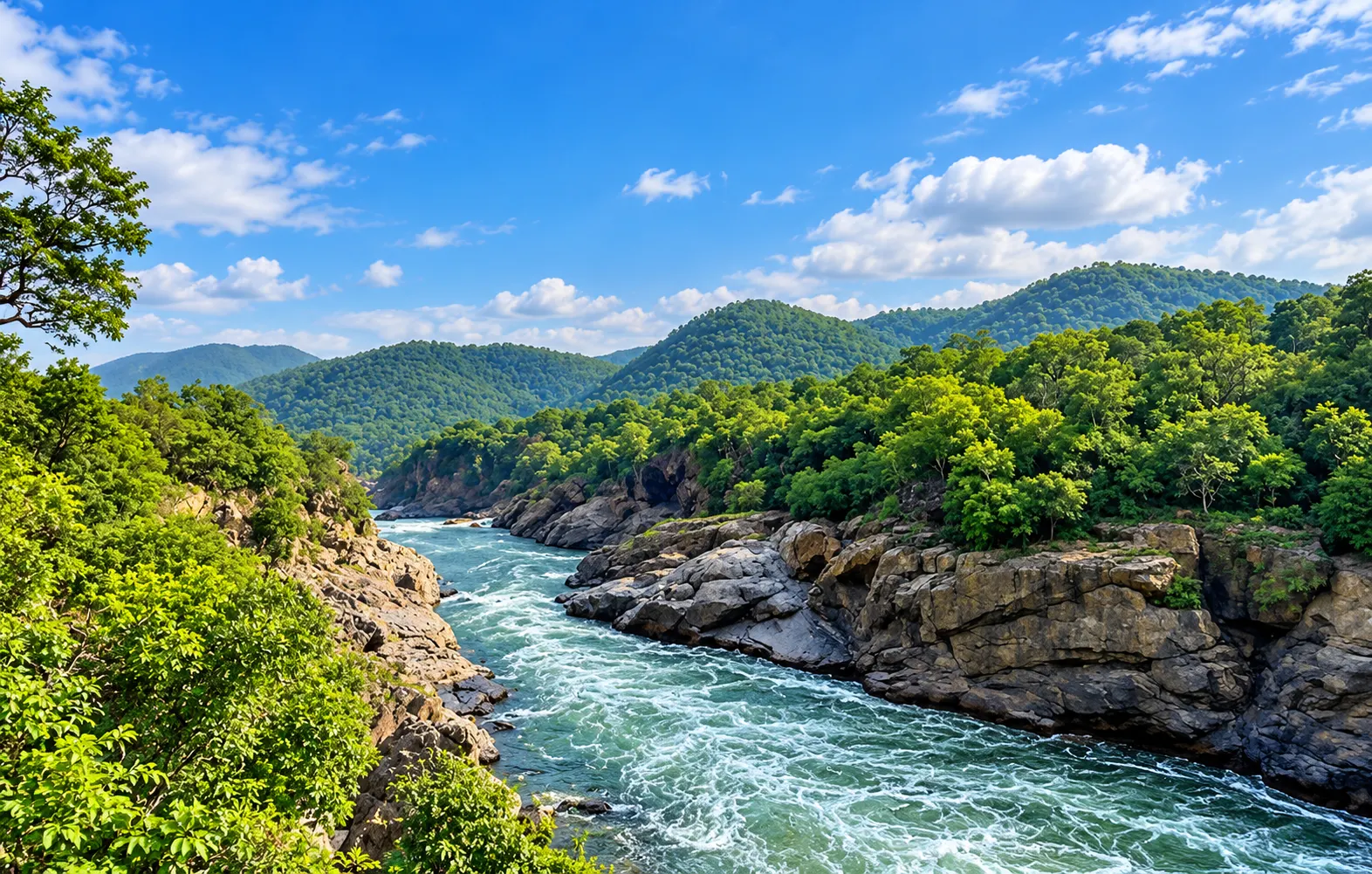
The Karnataka government has urged the Centre to speed up the wildlife clearance process for preliminary investigations linked to the proposed Mekedatu drinking water project on the Cauvery River. Chief Minister D K Shivakumar has requested an early decision on the state's application to drill 20 boreholes for geotechnical studies, stressing that the proposal does not seek approval for construction or the diversion of protected forest land. Shivakumar raised the issue during a meeting with Union Environment Minister Bhupender Yadav in New Delhi on Thursday. He asked the minister to facilitate consideration of the proposal by the standing committee of the National Board for Wildlife and help move the clearance process forward. The request marks another step in Karnataka's efforts to advance preliminary work for a project intended to support Bengaluru's drinking water requirements. However, the proposal remains subject to the necessary environmental procedures and other legal considerations.
Karnataka Seeks Permission for Preliminary Site Investigations
According to the state's representation, the application concerns limited geotechnical investigations at the proposed project site. Karnataka submitted its proposal to the Union Ministry of Environment, Forest and Climate Change on July 1, seeking permission to drill 20 boreholes within the Cauvery Wildlife Sanctuary. The proposed activity would cover approximately 0.0000352 hectares, according to the details provided by the state. Geotechnical investigations help engineers understand the physical characteristics of the ground, including soil and rock conditions. Such information is important when assessing the suitability of a location for major infrastructure projects, including reservoirs and dams. Karnataka has emphasised that the current request is restricted to these preliminary studies. It is not an application seeking final approval to build the reservoir or permission to divert sanctuary land for the project's construction.
D K Shivakumar Asks National Board for Wildlife to Consider Proposal
During his meeting with Bhupender Yadav, Shivakumar requested that the standing committee of the National Board for Wildlife consider the application and make an early recommendation. The state government believes that completing the investigations would provide important technical information for planning the proposed Mekedatu balancing reservoir and drinking water project. However, wildlife clearance is an important part of the regulatory process when activities are proposed within or affect protected areas. The application must therefore be assessed through the relevant procedures before the requested work can proceed. The outcome of the review will determine whether Karnataka can undertake the proposed borehole drilling within the sanctuary.
Centre Seeks Information on Supreme Court Proceedings
The clearance process also involves legal considerations connected with the Mekedatu project. According to Shivakumar's representation, the Union environment ministry has requested additional documents and information concerning petitions related to the project that are pending before the Supreme Court. The Karnataka government has indicated that it will provide the requested information shortly. The status of these proceedings is significant because the project has been the subject of a wider dispute involving the sharing of Cauvery River water. The additional documentation is part of the information the Centre has sought before proceeding with its consideration of the proposal. Until the relevant requirements are addressed, the state's request for preliminary investigations remains subject to the applicable approval process.
What Is the Mekedatu Drinking Water Project?
The Mekedatu project is a proposed balancing reservoir and drinking water initiative on the Cauvery River in Karnataka. The state has argued that the project could help meet the growing water requirements of Bengaluru, a city whose population and urban infrastructure have expanded considerably over the years. A balancing reservoir is designed to help regulate water storage and releases, depending on the project's approved design and operating arrangements. Karnataka has sought to advance the project as part of its efforts to strengthen water infrastructure and address the capital city's long-term drinking water needs. However, the proposal has faced objections from neighbouring Tamil Nadu, which has raised concerns about its potential implications for downstream water availability.
Why Tamil Nadu Opposes the Project
The Mekedatu proposal has remained contentious because the Cauvery River is shared by Karnataka and Tamil Nadu. Water allocation and the timing and volume of releases have long been sensitive issues between the two states. Tamil Nadu has expressed concerns that the proposed reservoir could affect downstream flows and the state's access to its allocated share of Cauvery water. Karnataka, meanwhile, has maintained that the project is intended to support its water management and drinking water requirements. Resolving these competing concerns requires consideration of the project's technical details, environmental implications and the applicable legal framework. The ongoing dispute has made progress on the proposal more complex.
What Happens Next?
The immediate issue is whether the relevant authorities will allow Karnataka to carry out the proposed geotechnical investigations. The state must provide the additional information requested by the Centre and meet the applicable regulatory requirements. Even if permission for the 20 boreholes is granted, that would not automatically amount to approval for the construction of the reservoir or the diversion of protected land. Further permissions and assessments may be required for subsequent stages, depending on the project's scope and applicable law.