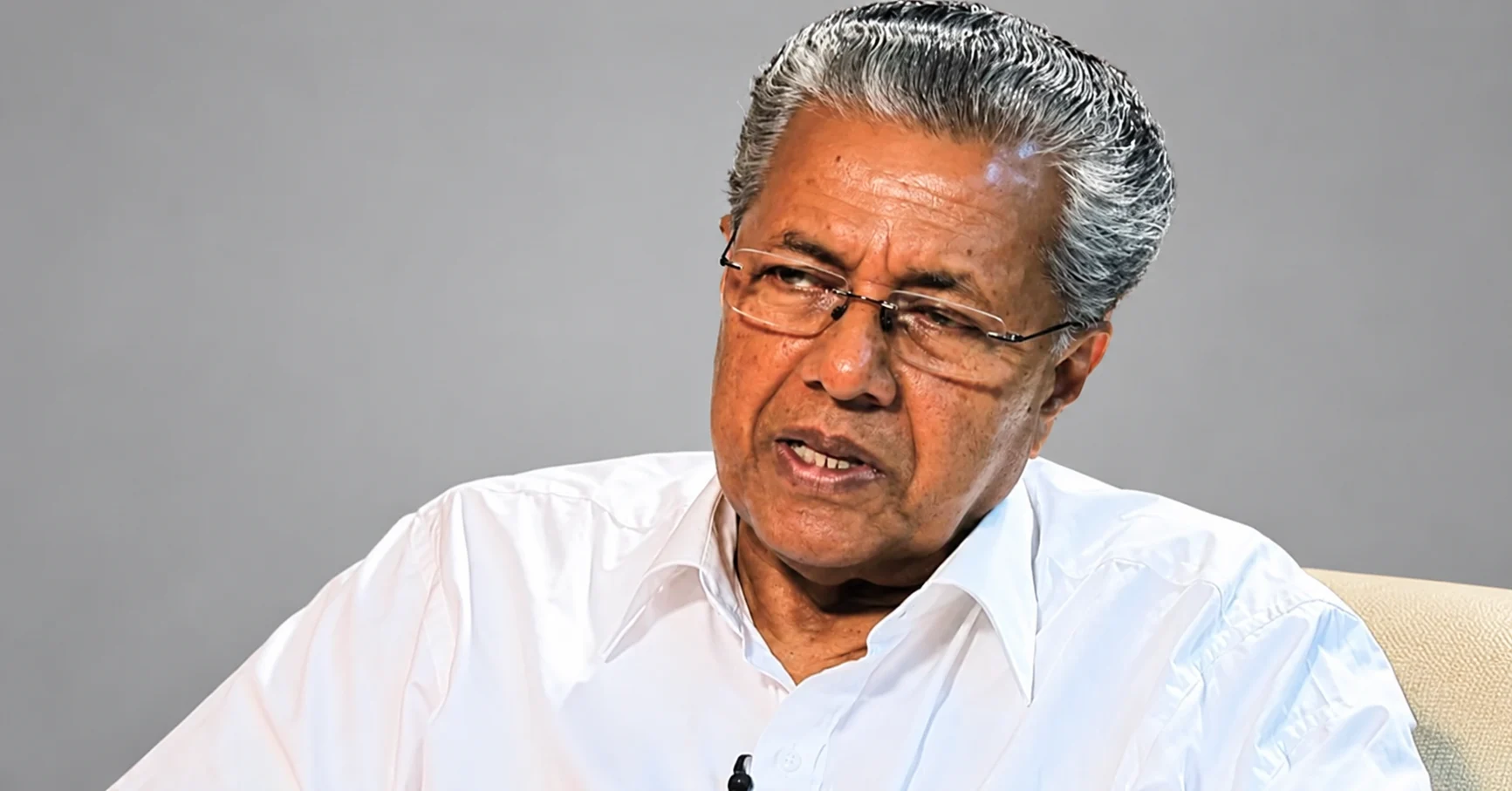
The Supreme Court of India may constitute a special bench during the Dussehra vacation to hear a petition filed by former Kerala Chief Minister Pinarayi Vijayan seeking protection from arrest and other coercive action in an alleged corruption case linked to Cochin Minerals and Rutile Limited (CMRL) and Exalogic Solutions Pvt Ltd. Chief Justice of India Surya Kant indicated the possibility of an urgent hearing on Friday after senior advocate Sidharth Luthra, representing Vijayan, requested immediate consideration of the petition. The development comes a day after the Kerala High Court dismissed appeals challenging an order directing the registration of first information reports (FIRs) against Vijayan and two of his family members in connection with alleged financial transactions between CMRL and Exalogic Solutions.
Supreme Court Considers Special Bench During Vacation
During the proceedings, Luthra highlighted Vijayans concerns about the possibility of arrest and the implications for his personal liberty. He also pointed out that the former chief minister is over 80 years old and urged the court to consider the matter urgently. The Chief Justice initially indicated that the petition could be heard on October 26 or 27. However, after the lawyer emphasised the urgency of the request, the CJI acknowledged that the regular cause lists were already heavily occupied. Considering the circumstances, the Chief Justice said the court might explore the possibility of constituting a special bench during the Dussehra break. Luthra welcomed the indication and expressed gratitude for the court's consideration. However, the observation does not mean that Vijayan has been granted protection from arrest. The petition must be considered by the court before any relief can be granted.
What Is the CMRL-Exalogic Case About?
The legal dispute centres on alleged financial transactions between CMRL and Exalogic Solutions Pvt Ltd, a company formerly associated with Vijayans daughter, Veena T. The transactions have come under scrutiny over allegations concerning payments made by CMRL to Exalogic. The case has raised questions about the nature of these financial dealings and whether they warrant further criminal investigation. Vijayan, Veena T and PA Mohamed Riyas, a former Kerala minister and Vijayans son-in-law, have challenged the order directing the registration of FIRs in connection with the matter. The allegations are part of ongoing legal proceedings, and the registration of an FIR does not establish the guilt of any individual. The matter remains subject to the applicable legal process.
Kerala High Court Dismisses Appeals Against FIR Registration
On Thursday, a division bench of the Kerala High Court, comprising Justices K Natarajan and Johnson John, dismissed separate appeals filed by Vijayan, Veena T, and PA Mohamed Riyas. The appeals challenged an order directing the registration of FIRs concerning the alleged financial dealings between CMRL and Exalogic Solutions. In its decision, the High Court held that an accused person does not have a legal right to be heard before an FIR is registered. The court's observation addressed the procedure for initiating criminal proceedings and did not amount to a determination of guilt. The High Court also clarified that its ruling did not prevent the appellants from pursuing other remedies available under constitutional or statutory law. Following the dismissal of their appeals, Vijayan approached the Supreme Court seeking protection from arrest and other coercive measures.
When Will the Supreme Court Hear the Petition?
The Supreme Court is scheduled to remain closed for its Dussehra vacation throughout the following week and is expected to reopen on October 26. Given the court's holiday schedule, the possibility of a special bench could provide an opportunity to consider Vijayan's plea before regular hearings resume. However, the final decision on whether to constitute the bench and when to list the petition rests with the Supreme Court. The court will need to examine the petition and the arguments presented by the parties before deciding whether any interim protection is warranted.