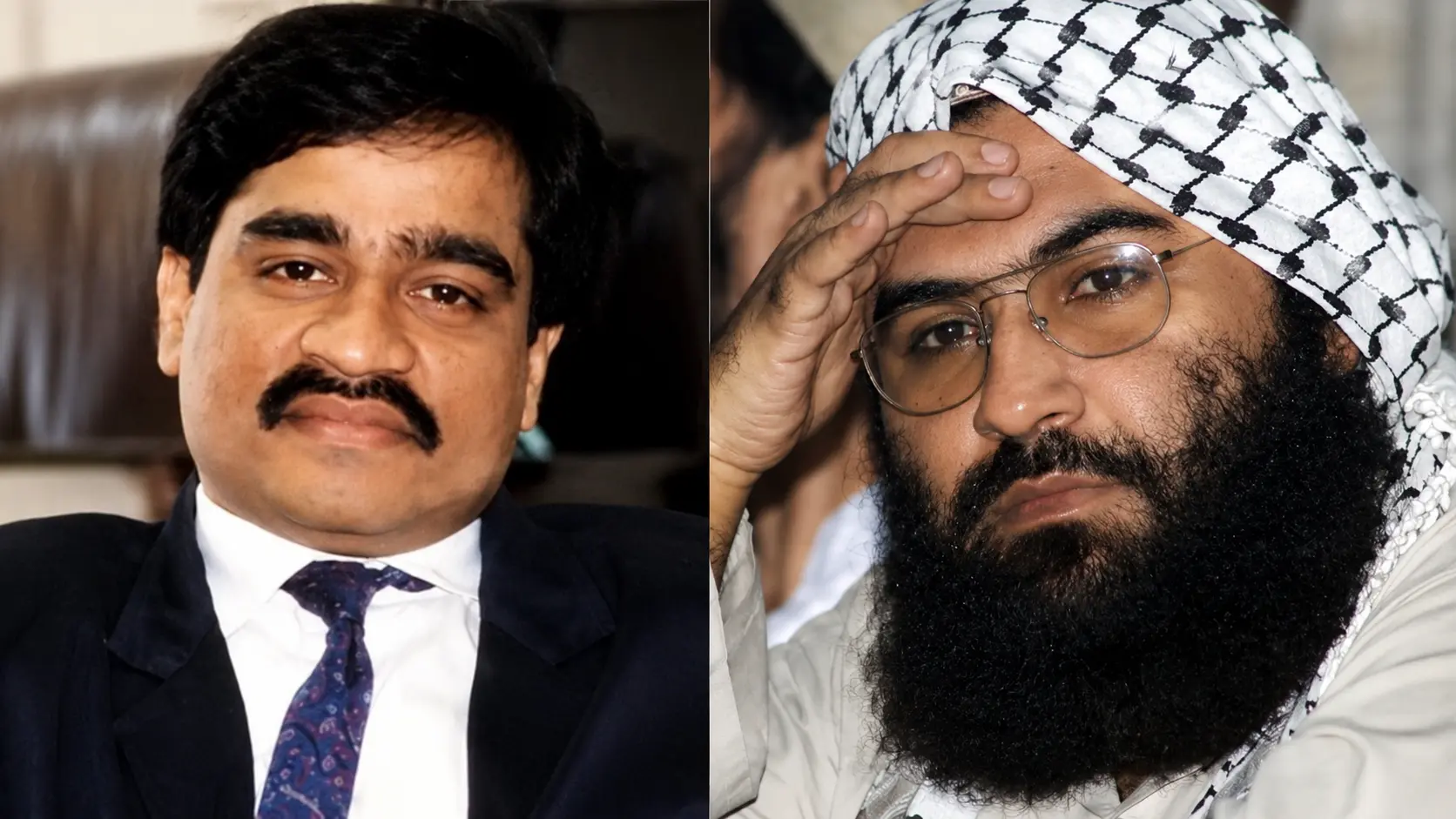
New Delhi: The names of underworld figure Dawood Ibrahim and Jaish-e-Mohammed chief Masood Azhar continue to feature prominently on Indias official list of designated terrorists. Gangster and alleged Khalistani-linked operative Satinderjeet Singh, better known as Goldy Brar, is also on the list, where he is ranked at number 56. The issue has gained fresh attention after US authorities added Brar to the Federal Bureau of Investigations list of its most wanted fugitives. Brar, who has been associated with criminal and alleged terror networks operating from abroad, has been a long-standing target of Indian security and investigative agencies.
Who Is Goldy Brar?
Satinderjeet Singh, popularly known as Goldy Brar, is originally associated with Punjab and has been linked by Indian authorities to the banned organisation Babbar Khalsa International (BKI). His name became widely known following the killing of Punjabi singer Sidhu Moosewala in May 2022. Investigators have alleged that Brar played a key role in the conspiracy behind the murder. His name has also surfaced in cases involving extortion, threats and organised criminal activities. Indian agencies have continued to investigate his alleged network and its links with individuals operating inside India. Authorities have also taken action against suspected associates connected to the wider criminal-terror network. According to Indian government records, Brar is believed to be based in Canada. However, the locations of fugitives operating internationally can change, and information about their whereabouts may vary between agencies and over time.
Dawood Ibrahim Remains a Major Name on the List
Dawood Ibrahim is one of the most prominent names associated with Indias long-running fight against organised crime and terrorism. Indian authorities have linked him to a transnational criminal network involved in activities including organised crime, illegal financing and terrorism-related operations. His name has remained on Indias designated terrorist list for years. Dawood has been reported to operate from Pakistan, although Pakistan has historically denied allowing him to operate from its territory.
Masood Azhar and Jaish-e-Mohammed
Masood Azhar is another major name on Indias terrorist list. He is the founder and chief of the Pakistan-based Jaish-e-Mohammed (JeM), an organisation that India has accused of carrying out and supporting terrorist attacks. Azhar has been linked by Indian authorities to several major terror cases. His organisation has also been accused of involvement in attacks targeting Indian security forces and other establishments. His name gained particular international attention after the United Nations designated him as a terrorist in 2019 following years of diplomatic efforts by India.
How India Designates Individuals as Terrorists
India has a legal framework for identifying and designating individuals involved in terrorist activities. Under Section 35 of the Unlawful Activities (Prevention) Act, 1967, commonly known as the UAPA, the Central government has the power to designate individuals as terrorists. Their names are then included in the First Schedule of the Act. The designation allows authorities to take action under the provisions of the law, including measures concerning terrorist organisations, financing and associated assets. The government periodically updates the list as new individuals are designated and legal or administrative changes take place.
Terrorism, Organised Crime and Narco-Terror Networks
Indias list of designated terrorists includes individuals connected to a wide range of alleged activities. These include terrorist attacks, arms trafficking, organised crime, narcotics-related terrorism, hijacking and the circulation of counterfeit currency. The cases also demonstrate how criminal and terrorist networks can operate across international borders. Some individuals named by Indian authorities are believed to be outside the country, making their arrest dependent on international cooperation and legal procedures.
Why International Cooperation Matters
When a wanted individual is located outside India, Indian investigative agencies may need cooperation from foreign governments to trace, detain or extradite the person. Such cases can involve diplomatic channels, extradition proceedings, international police cooperation and evidence-sharing between investigative agencies. The process can be lengthy because each country has its own laws governing extradition, detention and criminal proceedings.
Goldy Brars Position on Indias List
Goldy Brars position at number 56 on Indias list has attracted renewed attention following the action by US authorities. His case illustrates the growing international dimension of criminal and alleged terror networks linked to India. Investigative agencies have been examining not only individuals accused of serious crimes but also the financial, logistical and communication networks allegedly supporting them. The presence of names such as Dawood Ibrahim, Masood Azhar and Goldy Brar on Indias designated terrorist list reflects the range of security threats addressed under the countrys anti-terror framework. For Indian authorities, locating fugitives abroad, disrupting their networks and bringing them before the law remain key parts of the wider effort to tackle terrorism and organised crime.