New Delhi: The Supreme Court on Monday expressed serious concern over a series of recent sexual assault cases involving women and minors in Delhi and the National Capital Region. Taking suo motu cognisance of the incidents, the court sought a response from the Delhi Police and questioned whether adequate measures are being taken to keep people safe in public places. A bench comprising Justices J.B. Pardiwala and K. Vinod Chandran took note of reports concerning multiple recent cases, including the alleged sexual assault of a 17-year-old girl at Aastha Kunj Park near Lady Shri Ram College, the alleged gang rape of a minor in Swaroop Nagar and another reported assault involving a minor travelling on a bus between Greater Noida and Delhi.
Supreme Court Recalls the 2012 Nirbhaya Case
During the proceedings, the bench drew attention to the disturbing similarity between the recent incidents and the circumstances surrounding the 2012 Nirbhaya case in Delhi. The court questioned whether sufficient lessons had been learned from the tragedy that had triggered nationwide debate over women's safety and criminal justice. It also emphasised that the constitutional right to live with dignity includes protection from violence. The court's observations came against the backdrop of several reported sexual offences in different parts of the Delhi-NCR region, raising questions about safety arrangements in places used by the public.
Concern Over Safety in Parks, Roads and Public Transport
The Supreme Court particularly highlighted that public spaces cannot become unsafe because of inadequate policing, surveillance or security arrangements. The bench referred to locations such as parks, roads and buses while discussing the recent cases. It stressed the importance of effective patrolling and surveillance so that people, particularly women and children, can use public spaces without facing heightened risks. The observation is significant because some of the recent incidents reportedly occurred in locations that are routinely used by members of the public.
Aastha Kunj Park Case Raises Security Questions
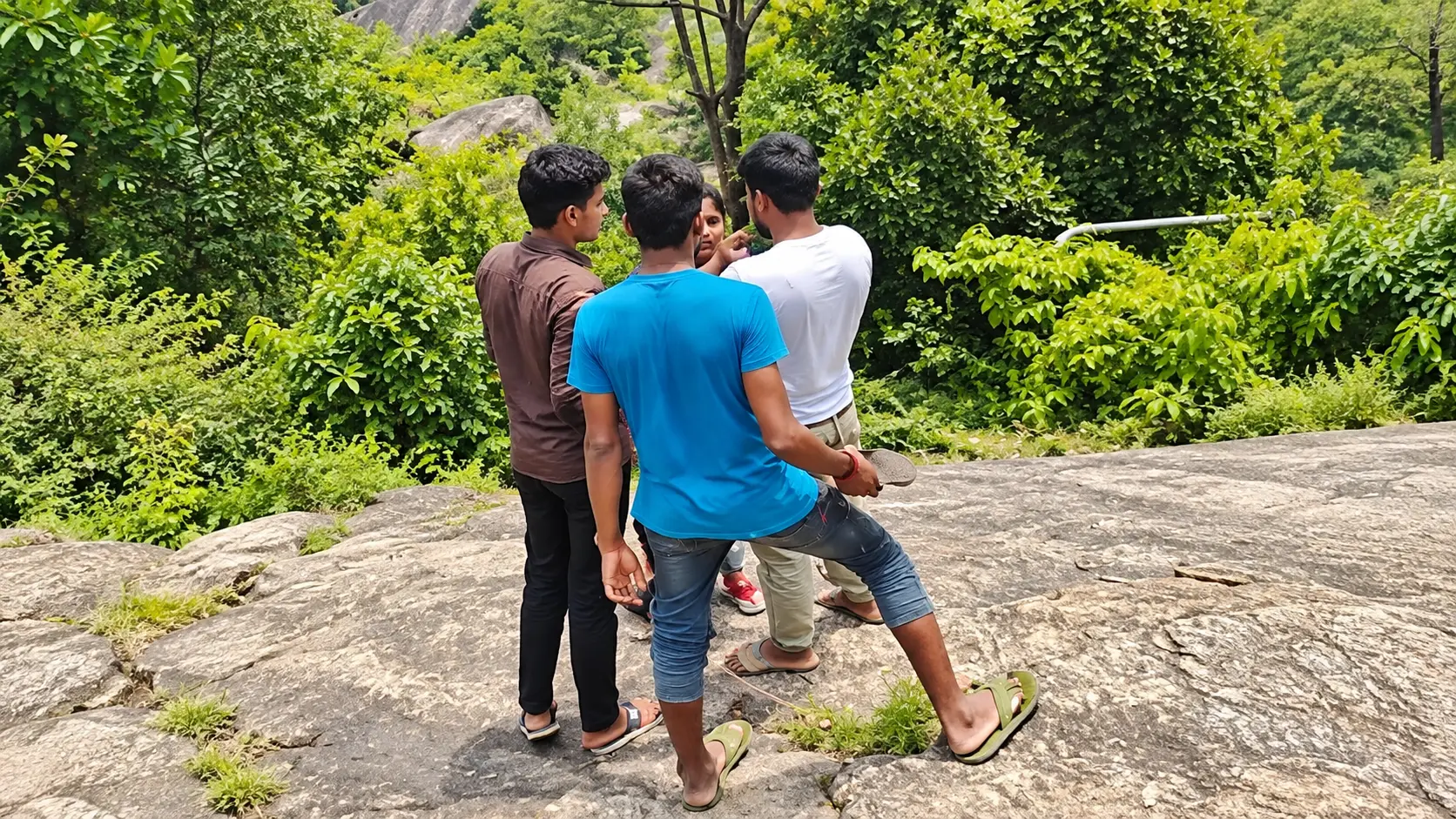
One of the cases before the court involved a 17-year-old girl who was allegedly gang-raped inside Aastha Kunj Park in the Kalkaji area. According to police reports, three men allegedly posed as police officers before assaulting the teenager. Delhi Police subsequently arrested the three accused after an investigation that included CCTV footage and technical inputs. The incident drew widespread attention because the park is located close to Lady Shri Ram College. The case also prompted concerns among students and the college administration regarding security around the campus and surrounding areas. Reports have indicated that people had previously raised concerns about suspicious activity in parts of the park, although officials said no formal complaints had been filed regarding the individuals later accused in the case.
LSR Students Raise Safety Concerns
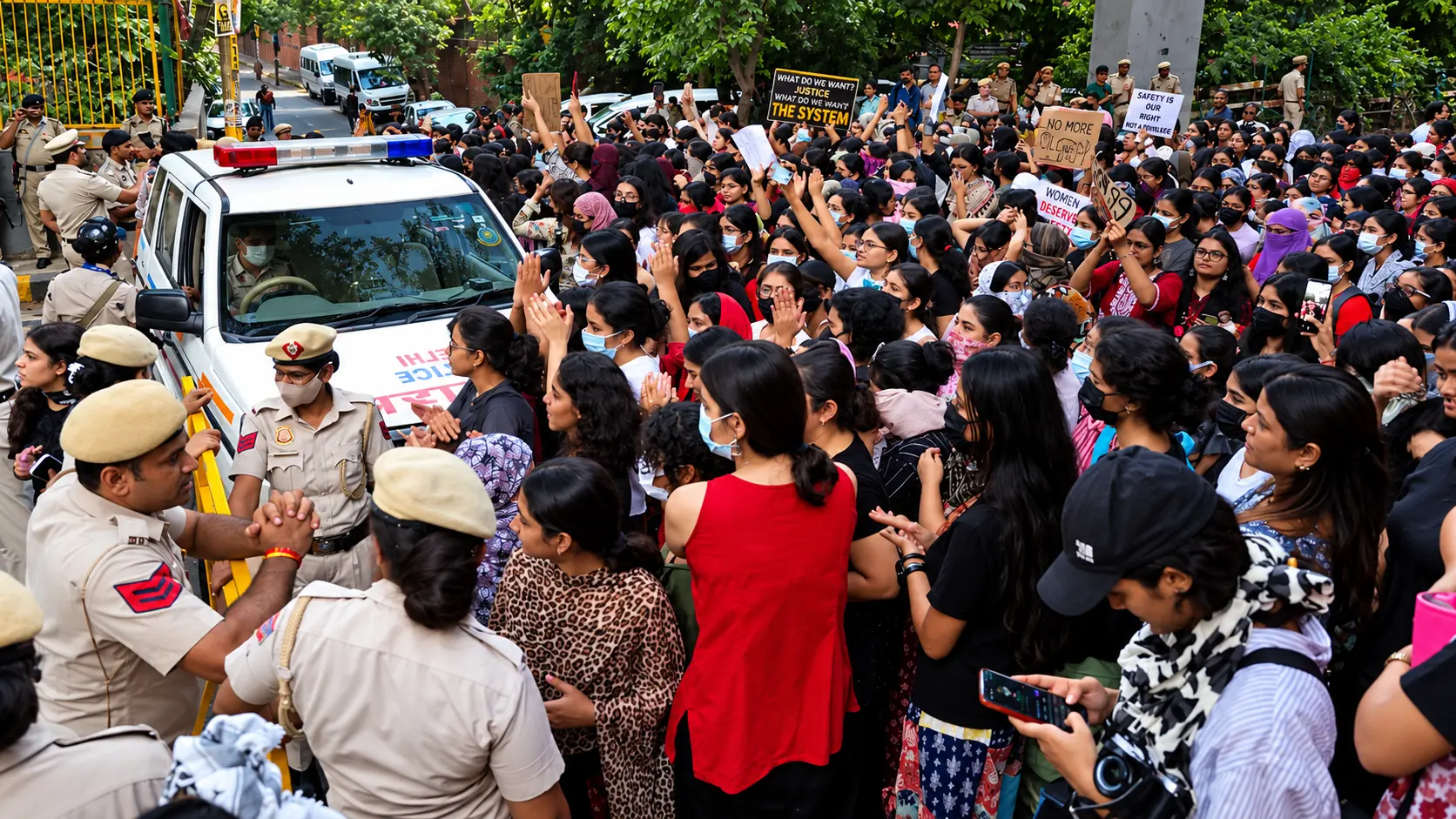
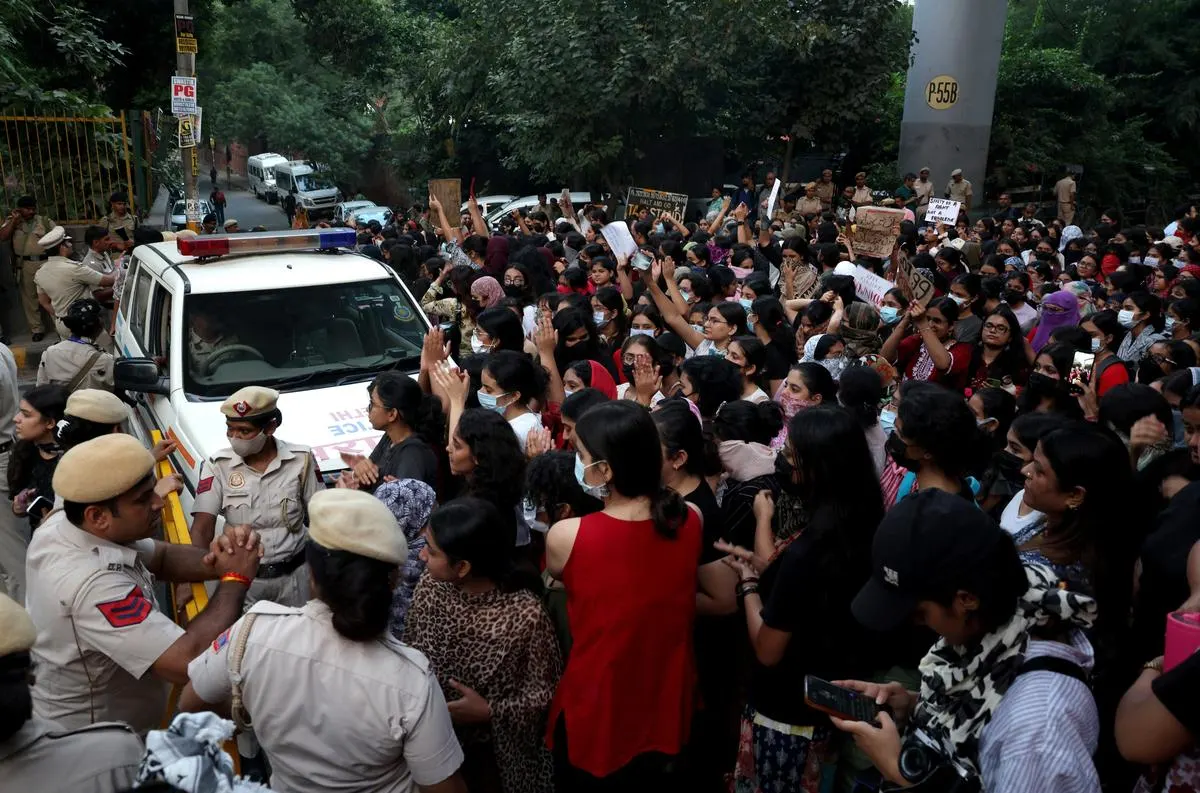
The incident also led to protests by students of Lady Shri Ram College. Students demanded stronger security measures around the college and nearby areas. The college temporarily shifted classes online following the incident before subsequently resuming offline classes. It also announced the formation of a student security council intended to improve coordination between students, the college administration and police. The developments have brought renewed attention to security arrangements around educational institutions and public spaces in the capital.
Supreme Court Questions Administrative Response
While taking cognisance of the incidents, the Supreme Court also pointed to the broader responsibility of law-enforcement and public authorities. The bench noted that official statements after such incidents are understandable, but said that repeated incidents raise questions about whether existing preventive systems are working effectively. The court's focus was therefore not limited to individual criminal cases. It also examined the larger issue of how police and civic authorities can prevent sexual violence through better surveillance, patrolling and security infrastructure.
Why the Court's Intervention Matters
The Supreme Court's suo motu intervention places the issue of public safety under judicial scrutiny at a time when several cases involving minors and women have been reported across Delhi-NCR. The court's remarks also underline that security cannot depend only on action after a crime has occurred. Preventive policing, functioning surveillance systems and quick responses to complaints are important components of public safety. The Aastha Kunj incident has already prompted discussions among students, residents and authorities about security around parks and educational institutions.
Delhi Police Asked to Respond
The Supreme Court has sought a response from the Delhi Police regarding the recent incidents and the safety concerns raised during the proceedings. The response is expected to provide details about policing arrangements and the measures being taken to prevent similar incidents. For now, the court's intervention has brought renewed focus on women's and children's safety across Delhi-NCR. The proceedings also revive a question that has remained central to public debate since the Nirbhaya case: whether public spaces can be made genuinely safer through stronger preventive policing, surveillance and institutional accountability.