Public transport users across Karnataka are set to face higher travel expenses following the state government's decision to increase fares on government-operated bus services. The revised rates will affect several categories of buses, including ordinary city services, air-conditioned Vajra buses and Vayu Vajra airport transport services. The Karnataka government has justified the decision by citing increasing diesel prices and the rising operational expenses of state-run transport corporations. Transport Minister Byrathi Suresh announced the revision on Wednesday, stating that the move was necessary to ensure the financial stability of public transport institutions. The fare revision is particularly significant for Bengaluru, where thousands of people depend on BMTC buses every day for commuting to workplaces, educational institutions, markets and other destinations.
BMTC Bus Ticket Prices Increased in Bengaluru
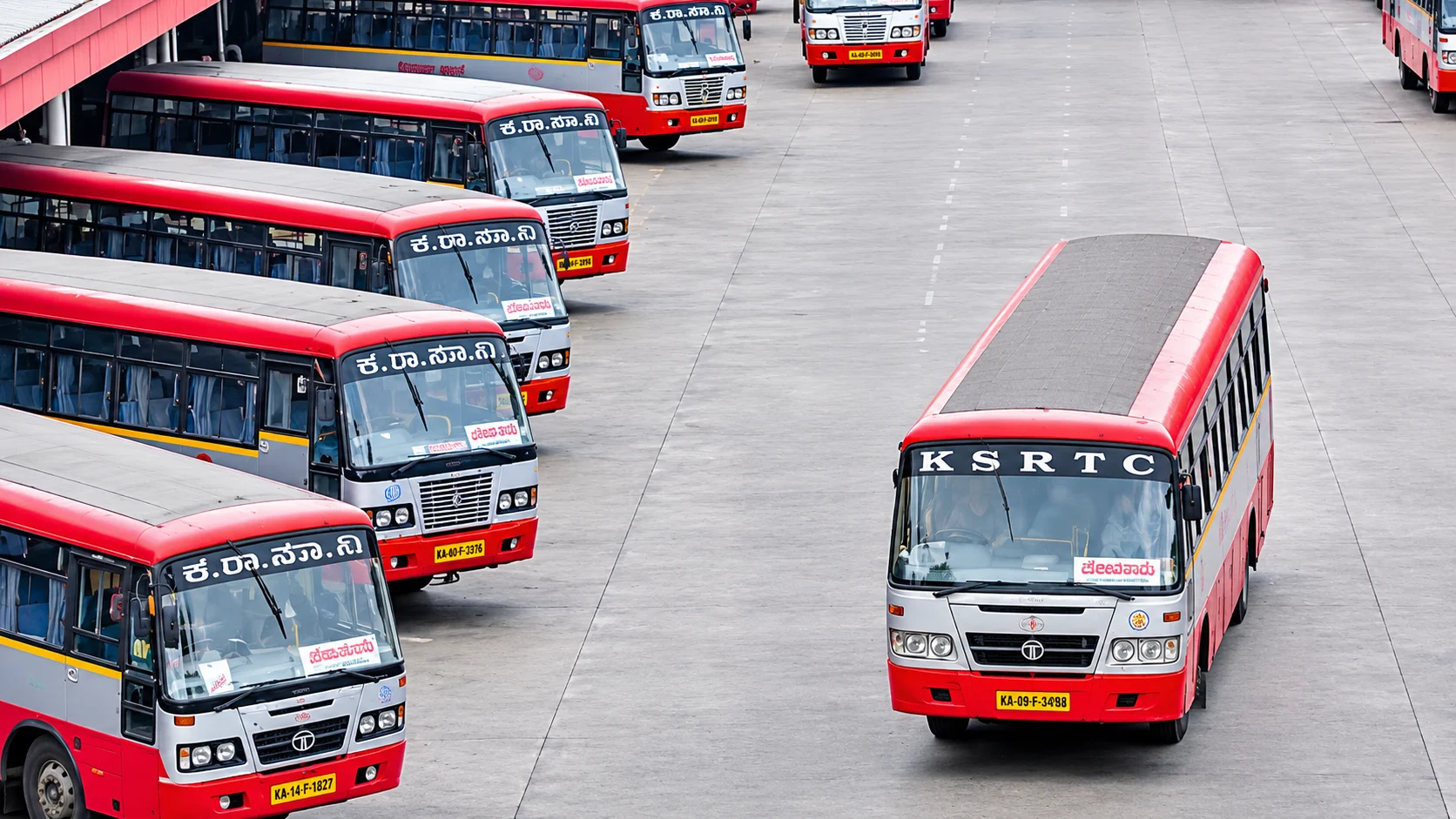
Passengers travelling on Bengaluru Metropolitan Transport Corporation (BMTC) buses will now have to pay higher fares under the revised pricing structure. According to the revised rates, the minimum fare for ordinary city bus services has increased from ₹6 to ₹10. Similarly, the maximum ticket price for BMTC buses has gone up from ₹35 to ₹45. The increase means that passengers travelling short distances will also experience a noticeable change in their daily commuting expenses. For regular commuters who use public transport multiple times a day, even a small increase in ticket prices can translate into a considerable additional monthly expense. The revision comes at a time when Bengaluru continues to depend heavily on its public bus network to manage daily passenger movement and reduce pressure on private vehicles.
AC Vajra Bus Fares Also Revised
Passengers who prefer air-conditioned public transport will also have to adjust their travel budgets. The maximum fare for BMTC's AC Vajra bus services has been increased from ₹75 to ₹90. These buses are commonly used by passengers looking for a more comfortable commuting option, particularly during longer journeys across Bengaluru. The ₹15 increase in the maximum ticket price adds to the travel expenses of passengers who regularly choose premium city bus services. The revised fares are expected to affect office-goers and other commuters who prefer air-conditioned transportation for their daily journeys.
Vayu Vajra Airport Bus Travel Becomes More Expensive
The fare revision also covers Vayu Vajra services, which connect Bengaluru city with Kempegowda International Airport. The maximum ticket price for these airport bus services has increased from ₹405 to ₹425, marking a ₹20 rise. Vayu Vajra buses are an important public transportation option for airport passengers who want to travel between different parts of Bengaluru and Kempegowda International Airport without relying entirely on taxis or private vehicles. With the revised rates, passengers travelling longer distances to or from the airport will need to spend more on public transportation. The increase may particularly affect frequent air travellers, airport employees and people who regularly visit the airport to receive or drop off family members.
Government Explains Why Bus Fares Were Increased
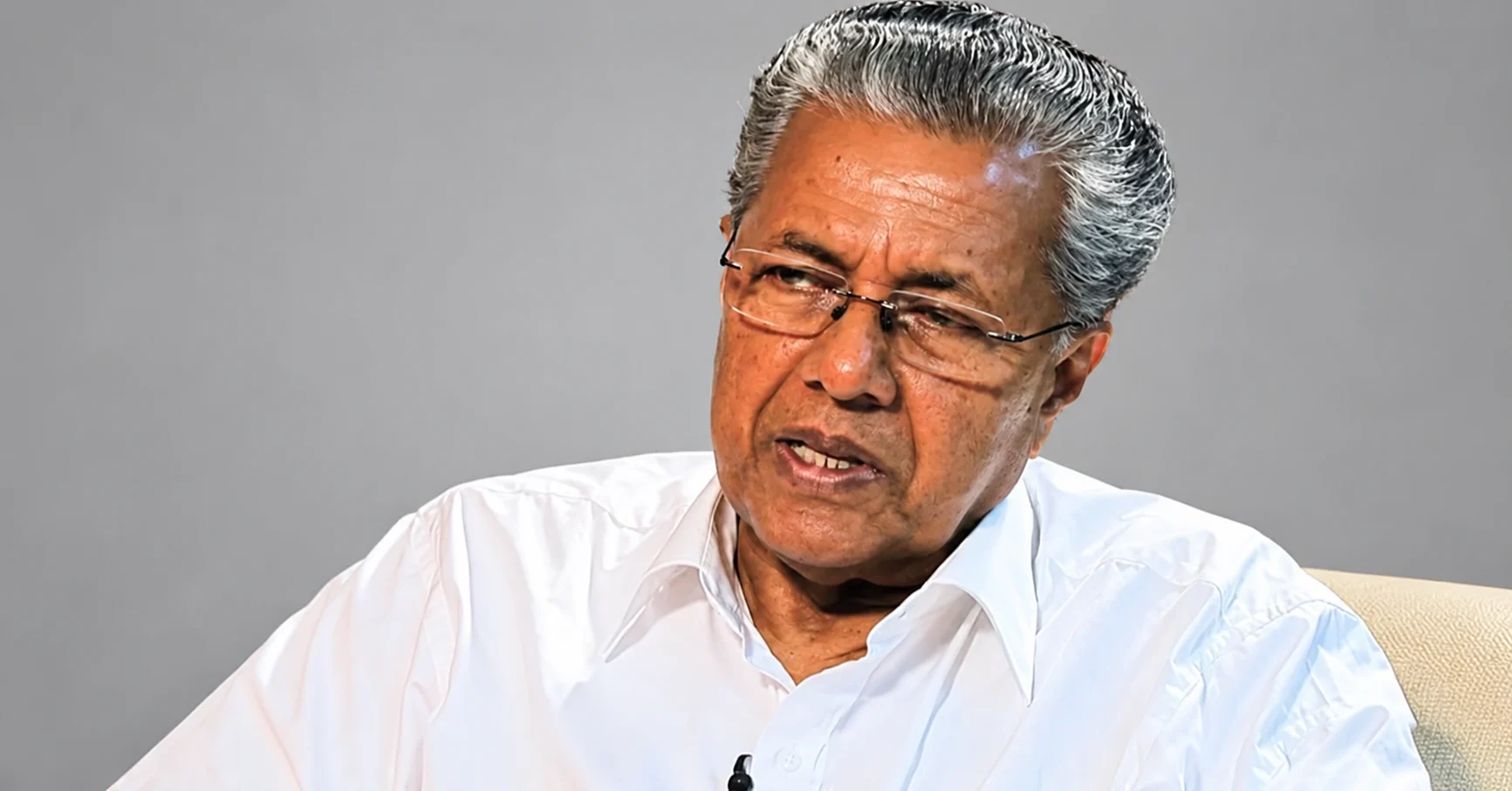
Transport Minister Byrathi Suresh defended the fare revision, explaining that increasing diesel prices have placed additional financial pressure on state-run transport corporations. He said the government was not looking at generating profits through the decision. Instead, the objective was to protect important public transport institutions, including the Karnataka State Road Transport Corporation (KSRTC) and BMTC. The minister also referred to fare revisions in other states, including Tamil Nadu and Maharashtra, while explaining the Karnataka government's decision. According to Suresh, the financial sustainability of transport corporations is important for maintaining their services and ensuring that public transportation continues to operate effectively. He also clarified that luxury bus services, including Rajahamsa and air-conditioned buses operated by KSRTC, have fares determined with consideration for competitive market prices.
Tamil Nadu Introduces New Auto-Rickshaw Fare Structure
While Karnataka has revised bus fares, Tamil Nadu has also introduced changes to its public transportation pricing system. The Tamil Nadu government recently issued a notification revising the fare structure for contract carriage auto-rickshaws operating in Chennai and other parts of the state. Under the revised arrangement, passengers will be charged a minimum fare of ₹50 for the first 1.8 kilometres. For every additional kilometre, an extra ₹25 will be charged. The new structure also introduces a waiting charge of ₹1 per minute, adding another component to the overall cost of auto-rickshaw journeys. Passengers travelling during night hours, between 10 pm and the designated morning period, will have to pay 1.5 times the normal fare. The government has also specified separate fare provisions for journeys through ghat areas. The notification, dated October 27, directs the State Transport Authority and respective Regional Transport Authorities to implement the revised rates within their jurisdictions. The order was issued under Section 67(1) of the Motor Vehicles Act, 1988.
Higher Transportation Costs Raise Concerns for Daily Commuters
The latest fare changes in Karnataka and Tamil Nadu highlight the financial challenges facing public transportation systems. For passengers who depend on buses and auto-rickshaws for everyday travel, transportation costs are an important part of their monthly household budgets. In Bengaluru, the increase in BMTC and Vayu Vajra fares will affect different categories of passengers, from short-distance city commuters to people travelling to the international airport. Although the Karnataka government has maintained that the revision is necessary to support transport corporations, passengers will now have to manage higher commuting expenses. The key challenge for the government will be to maintain affordable public transportation while ensuring that state-run transport services remain financially sustainable.