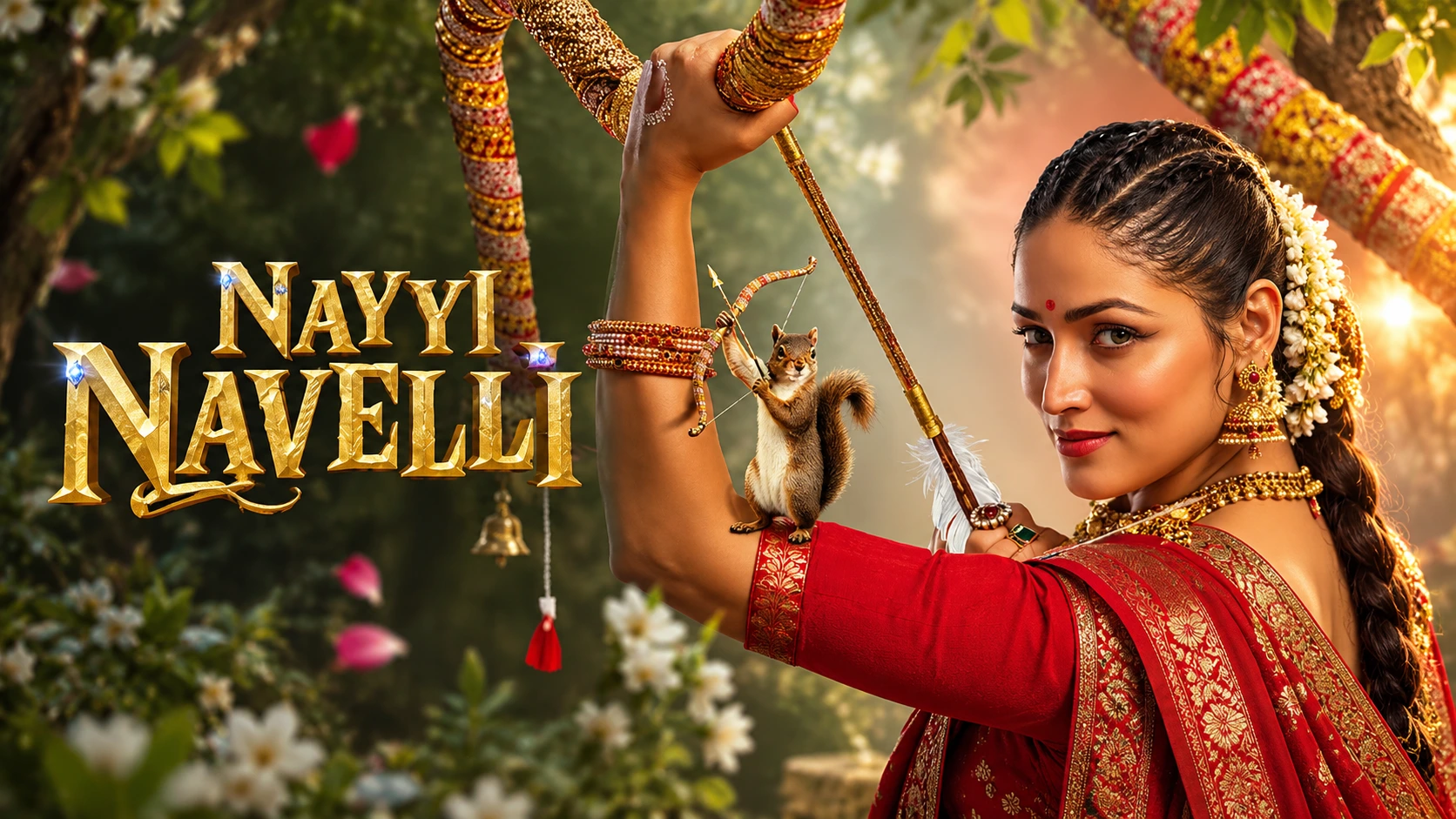
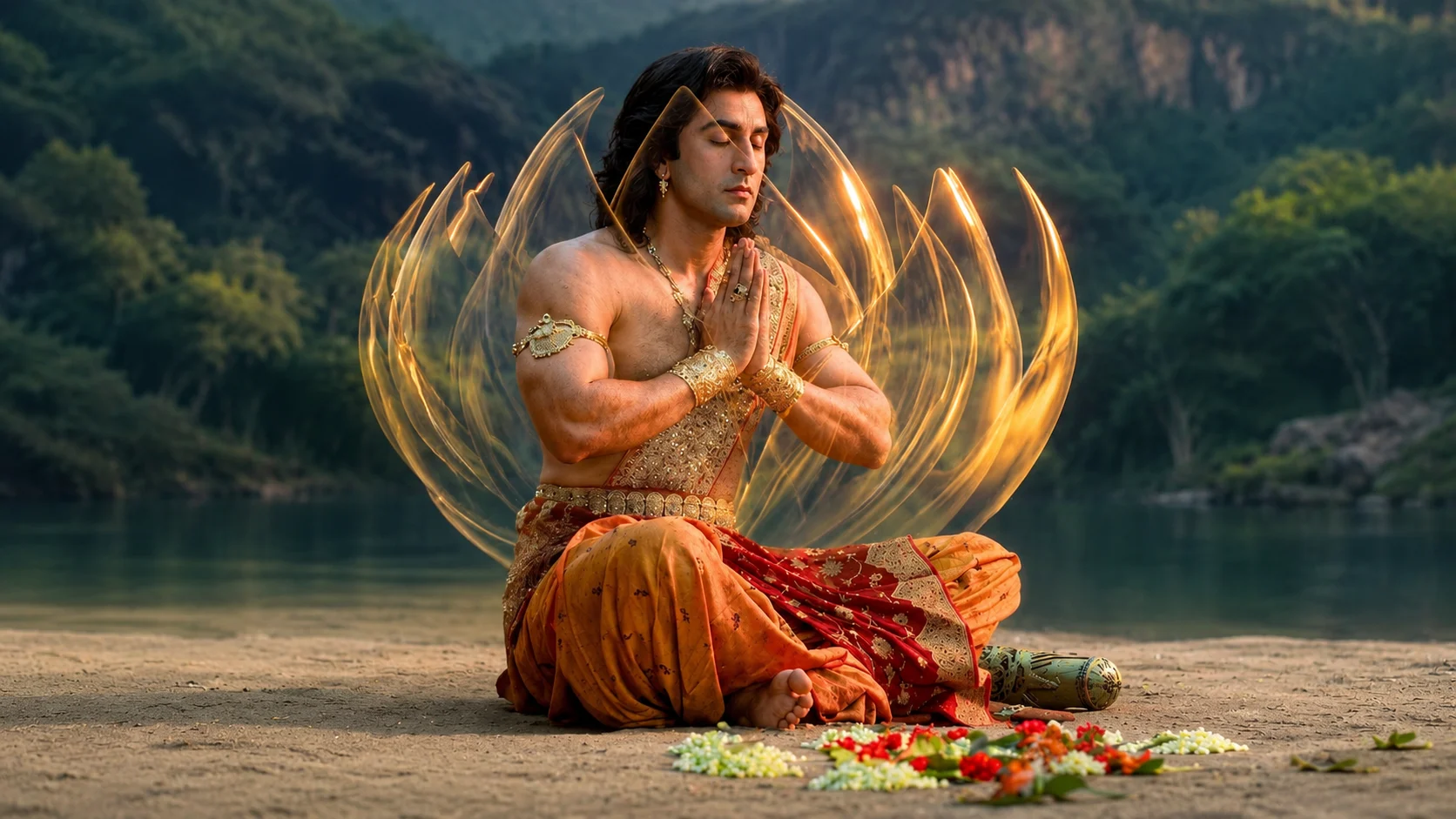
Some stories are so deeply connected to a nation's identity that presenting them in a new form is never an easy responsibility. The Ramayana is one such timeless epic. Passed down through generations, it has influenced Indian culture, traditions, literature and entertainment for centuries. Now, with Ramayana Part 1, filmmaker Nitesh Tiwari takes on the ambitious challenge of presenting this legendary tale through modern filmmaking, powerful performances and cutting-edge visual effects. Featuring Ranbir Kapoor as Lord Ram, Yash as Ravana and Sai Pallavi in the role of Sita, the film attempts to create a cinematic experience that respects the traditional narrative while introducing it to a new generation of audiences. With an enormous reported production budget and international technical collaboration, expectations surrounding the film have been exceptionally high.
A Familiar Story Told Through a Different Cinematic Perspective
Unlike stories that depend on unexpected twists to capture attention, Ramayana begins with the advantage of an audience already familiar with its characters and central conflict. However, the real challenge lies in making a well-known narrative feel emotionally engaging and visually fresh. The film opens by exploring Ravana's background, offering viewers a closer look at the character before introducing his greatest adversary, Lord Ram. This narrative approach establishes the foundations of the larger conflict and provides additional context to the personalities driving the story. The screenplay, developed by Sridhar Raghavan and Nitesh Tiwari, focuses on character development, relationships and important events that shape the epic. However, the storytelling does not always maintain a consistent pace. The first half spends considerable time introducing characters and establishing their motivations. Although these sequences provide useful background, some portions feel unnecessarily stretched. The decision to divide the epic into two cinematic parts gives the filmmakers additional space to explore individual characters, but it occasionally affects the overall momentum.
Ranbir Kapoor, Yash and Sai Pallavi Lead the Cast
One of the biggest attractions of Ramayana is its impressive ensemble cast. Ranbir Kapoor takes on the responsibility of portraying Lord Ram, a character representing courage, compassion, discipline and righteousness. The role demands more than an impressive screen presence; it requires emotional depth and an understanding of a character deeply respected across India. Yash brings considerable attention to the film through his portrayal of Ravana. The character is particularly interesting because of his complex personality, intelligence, ambition and devotion to Lord Shiva. Exploring these different dimensions gives the narrative an opportunity to present a more detailed understanding of its central antagonist. Sai Pallavi's casting as Sita adds another important dimension to the story. Her character represents strength, dignity, patience and resilience. Her performance contributes to the emotional foundation of the narrative. The supporting characters also help establish the relationships and conflicts that eventually shape the larger story.
Stunning Visual Effects Give Ramayana a Global Cinematic Scale
Visual effects are undoubtedly among the most ambitious elements of the production. With international visual effects studio DNEG involved in the project, the film aims to deliver a spectacle that can compete with major global productions. From the grandeur of Lanka to the larger-than-life environments surrounding the characters, the visual presentation attempts to recreate the world of the Ramayana with remarkable detail. The second half particularly benefits from this technical ambition. Action sequences become more engaging, and several visual moments create the kind of scale audiences expect from a major mythological production. Rather than depending entirely on computer-generated spectacle, the film's visual approach attempts to establish an atmosphere that supports the storytelling. The reported production investment of approximately ₹4,000 crore has naturally raised expectations. Whether the film ultimately justifies every aspect of that enormous budget will remain an important talking point among audiences.
Music and Background Score: High Expectations, Mixed Results
The collaboration between legendary German composer Hans Zimmer and Indian music maestro AR Rahman created considerable excitement even before the film's release. Both composers have established international reputations, making their association with an Indian mythological epic particularly significant. The background score contributes emotional weight to several important sequences and helps establish the film's larger atmosphere. However, the musical experience does not always reach the extraordinary level that audiences might expect from such a prestigious collaboration. Some compositions work effectively within the narrative, while a few songs feel less essential to the storytelling. The music has its memorable moments, but the overall impact could have been stronger.
Does Ramayana Respect the Original Epic?
One of the most important questions surrounding any adaptation of the Ramayana is how carefully it handles the original narrative. Audiences have grown up listening to different versions of this epic, making even minor changes a subject of discussion. The film makes an effort to retain important elements of the traditional story, including Ravana's connection with Lanka, his devotion to Lord Shiva and the consequences of Kaikeyi's decisions. These moments help maintain a connection with the narrative that generations of Indians already recognise. The filmmakers appear conscious of the responsibility associated with bringing such a culturally significant story to the big screen.
Final Verdict: An Ambitious Beginning to a Legendary Journey
Ramayana Part 1 is an ambitious attempt to transform one of India's most celebrated epics into a large-scale cinematic experience. While the slower first half and occasionally underwhelming musical moments affect its overall rhythm, the impressive visual presentation, important character explorations and action sequences give the film several memorable highlights. Ranbir Kapoor, Yash and Sai Pallavi bring significant star power to a project carrying enormous expectations. Ultimately, the film's biggest achievement lies in attempting to introduce a timeless Indian story through a modern cinematic language without losing sight of its cultural roots.