Pitru Paksha, also known as Shraddha Paksha, is an important period in the Hindu calendar dedicated to remembering and honouring deceased ancestors. During these days, families perform traditional rituals such as Shraddha, Tarpan, Pind Daan, offering food and charity in memory of their ancestors. The period is traditionally associated with expressing gratitude towards previous generations and remembering their contribution to the family.
When Does Pitru Paksha Begin in 2026?
In 2026, Pitru Paksha will begin on September 27 and continue until October 10, when it will conclude with Sarva Pitru Amavasya. September 26 is associated with Purnima Shraddha, which is why some calendars may mention September 26 when discussing the beginning of the Shraddha period. However, the main Pitru Paksha period begins with Pratipada Shraddha on September 27. The exact timing of rituals can vary according to location and the local Panchang.
Why Is Pitru Paksha Observed?
According to Hindu tradition, Pitru Paksha is a period for remembering ancestors and expressing gratitude towards them. Families perform religious rituals and offer food, water and other offerings in their memory. The tradition is also seen as a way of maintaining a spiritual connection with previous generations. Different regions and families may follow different customs, so the rituals performed during Pitru Paksha can vary.
What Is Shraddha?
Shraddha refers to traditional Hindu rituals performed in honour of deceased ancestors. In many traditions, a family performs Shraddha on the corresponding lunar date, or tithi, on which the ancestor passed away. For example, if a person's death occurred on a particular lunar tithi, their family may perform Shraddha on the same tithi during Pitru Paksha. Families generally follow their local Panchang and traditional practices to determine the appropriate day.
What Rituals Are Performed During Pitru Paksha?
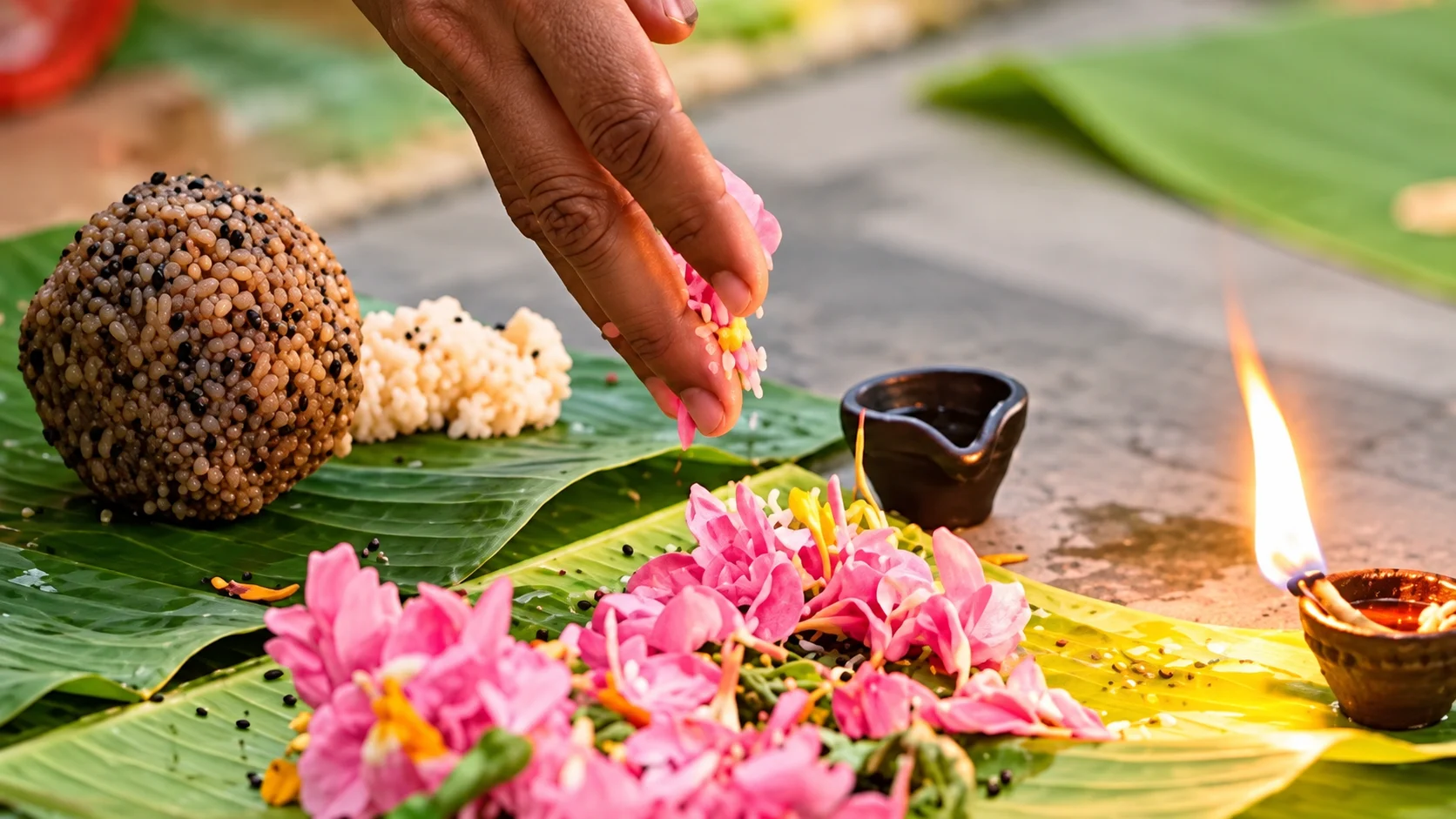
Several traditional practices are associated with Pitru Paksha. These include Tarpan, Shraddha, Pind Daan, offering food, feeding people and donating according to one's capacity. Some families prepare traditional food associated with their ancestors and offer it as part of the ritual. In several places, people also visit rivers, pilgrimage sites and other sacred locations to perform Tarpan and Pind Daan.
What Is Tarpan?
Tarpan is a traditional ritual in which water and other prescribed materials are offered while remembering one's ancestors. It is considered an important part of Pitru-related rituals in many Hindu traditions. The exact procedure can differ depending on regional customs, family traditions and religious practices. People who want to perform Tarpan according to specific rituals generally consult their family priest or a knowledgeable religious scholar.
What Is Pind Daan?
Pind Daan is another important ritual associated with ancestors. During the ritual, offerings known as pindas are prepared, traditionally using materials such as rice or flour, and offered according to prescribed customs. Gaya in Bihar is among the most well-known pilgrimage destinations associated with Pind Daan. Religious traditions connected with Gaya attach special significance to Lord Vishnu, the Phalgu River and Akshay Vat. Many devotees visit the city to perform rituals in memory of their ancestors.
Important Dates During Pitru Paksha 2026
During Pitru Paksha, Shraddha rituals are associated with different lunar dates. In 2026, Pratipada Shraddha will be observed on September 27, followed by the subsequent Shraddha dates through the fortnight. Navami Shraddha falls on October 4, while the final day, Sarva Pitru Amavasya, will be observed on October 10. Some dates may appear differently across calendars because lunar tithi timings can vary depending on location. Therefore, families should check their local Panchang before performing a specific ritual.
Why Is Sarva Pitru Amavasya Important?
Sarva Pitru Amavasya marks the final day of Pitru Paksha and is considered especially significant for remembering ancestors. It is traditionally associated with ancestors whose specific death tithi is not known or whose Shraddha could not be performed on the appropriate day. Families may perform Shraddha and Tarpan for multiple ancestors on this day. In 2026, Sarva Pitru Amavasya will fall on October 10.
What Food Is Traditionally Prepared During Pitru Paksha?
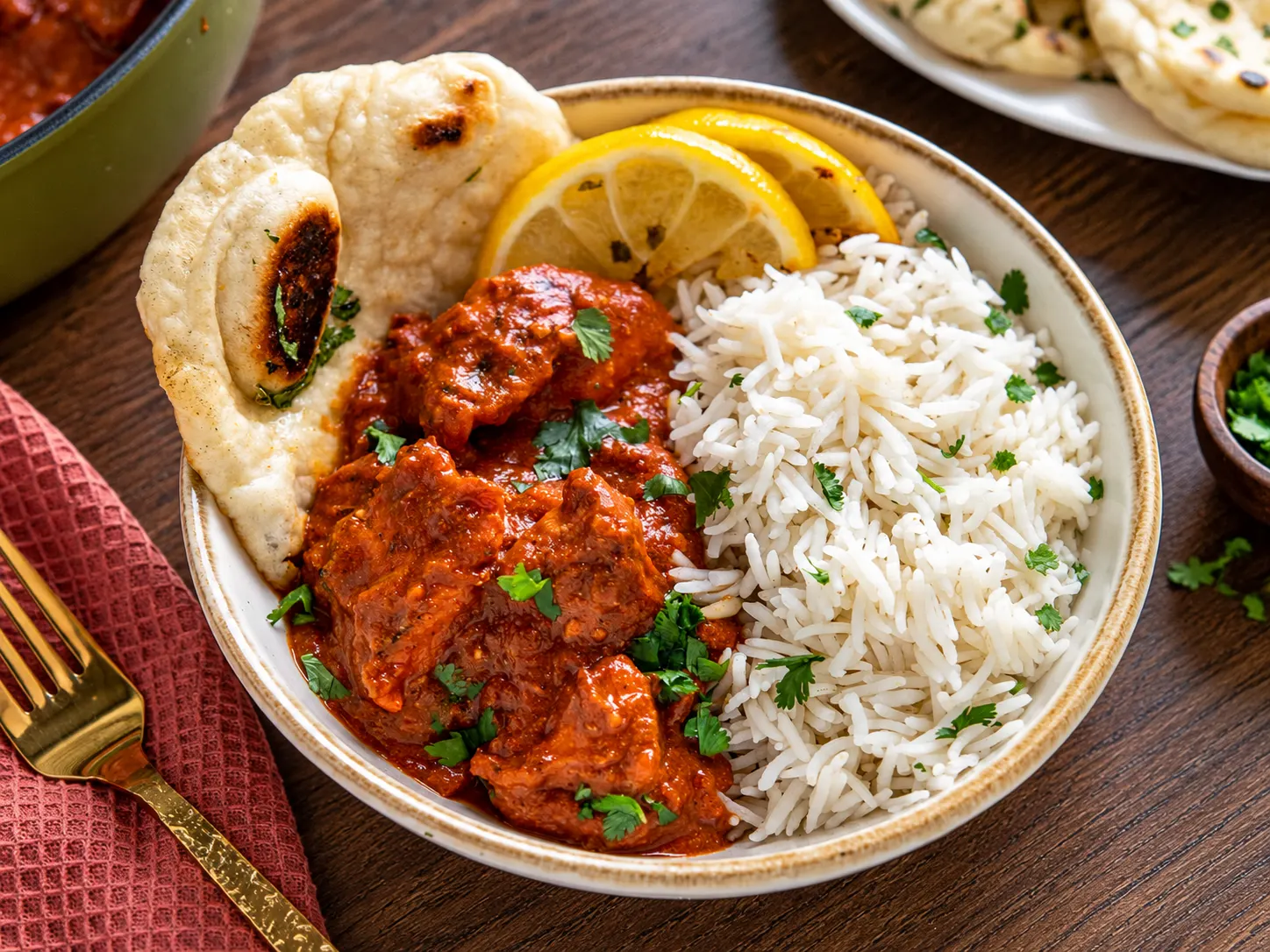
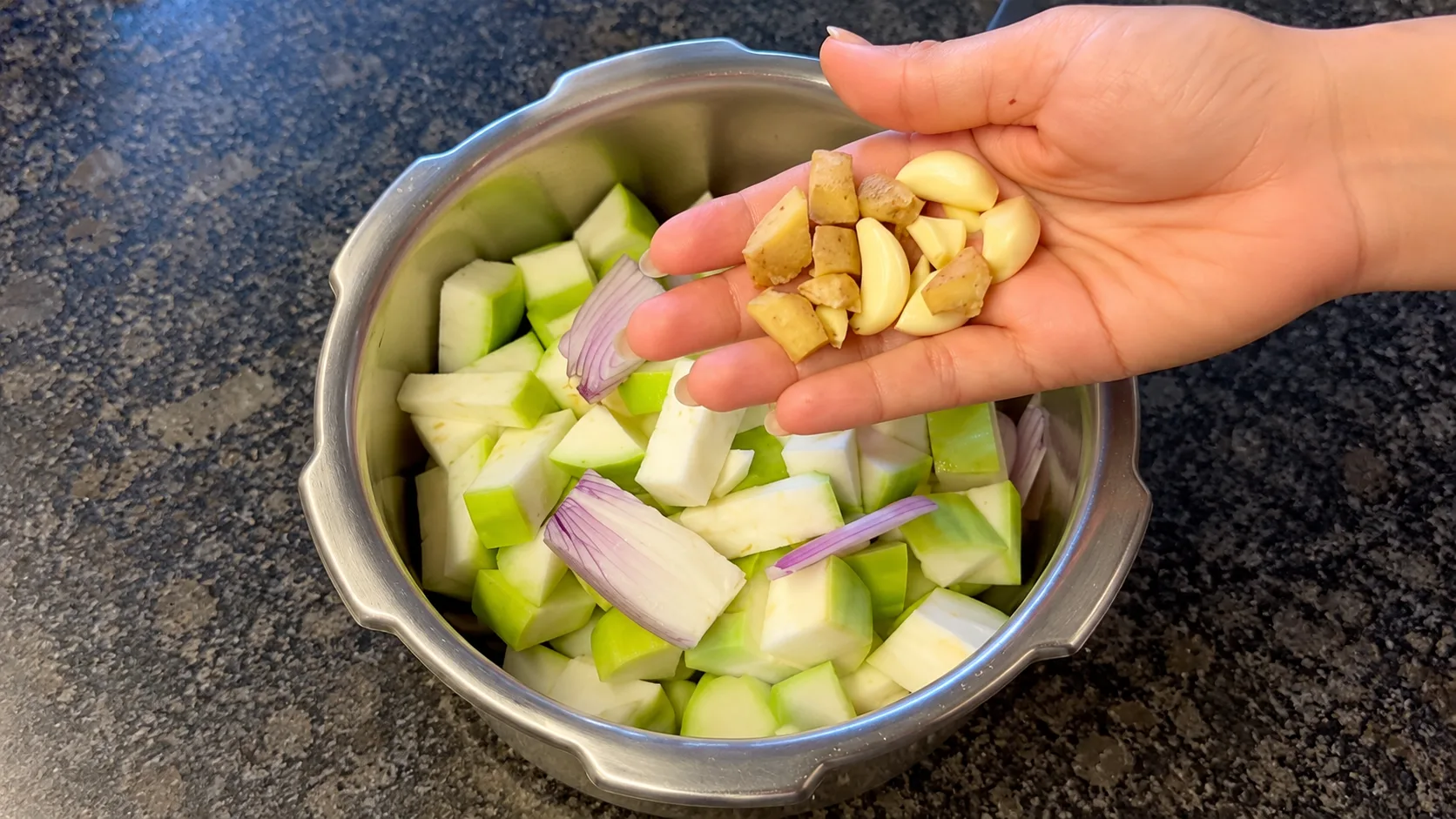
Food traditions during Pitru Paksha vary between families and regions. Many households prefer simple and sattvic food during this period. Some families avoid onion, garlic, meat and alcohol as part of their traditional observances. However, there is no single food practice followed by every Hindu family. Customs can differ significantly, so people generally follow their family traditions and local religious practices.
What Is the Importance of Charity During Pitru Paksha?
Charity is another practice associated with Pitru Paksha. Families may donate food, clothes or other useful items to people in need according to their ability. Feeding others and helping those who require support are considered meaningful acts during this period in many traditions. The emphasis is generally placed on श्रद्धा, compassion and generosity rather than the size or value of the donation.
Should Auspicious Activities Be Avoided During Pitru Paksha?
Pitru Paksha is primarily regarded as a period for remembering ancestors and performing related religious rituals. Because of this, many Hindu families traditionally avoid scheduling major celebrations such as weddings or housewarming ceremonies during this period. However, practices vary between communities and families. Anyone planning an important ceremony should check the local Panchang and follow the customs traditionally observed by their family.
What Is the Deeper Meaning of Pitru Paksha?
Pitru Paksha is not only about performing rituals. It also carries a social and emotional meaning for many families. The period provides an opportunity to remember previous generations, acknowledge their contribution to the family and pass family traditions and memories to younger generations. Remembering deceased parents, grandparents and other ancestors can help families stay connected to their roots and history.