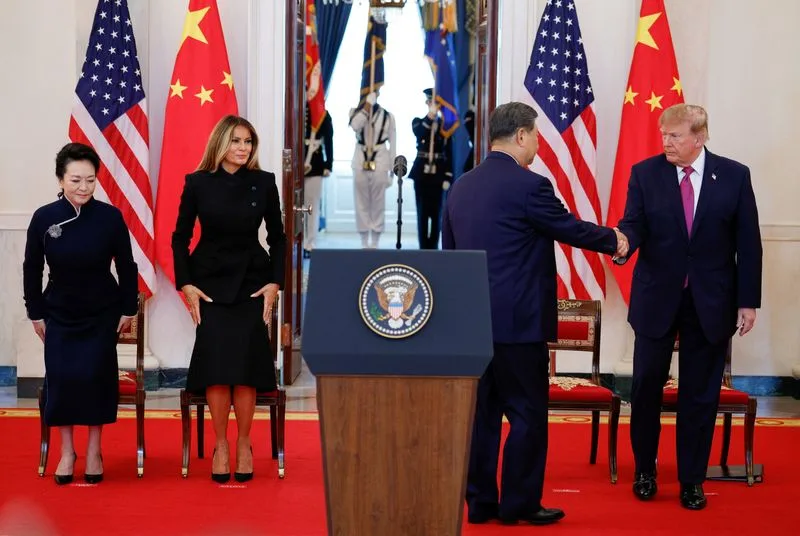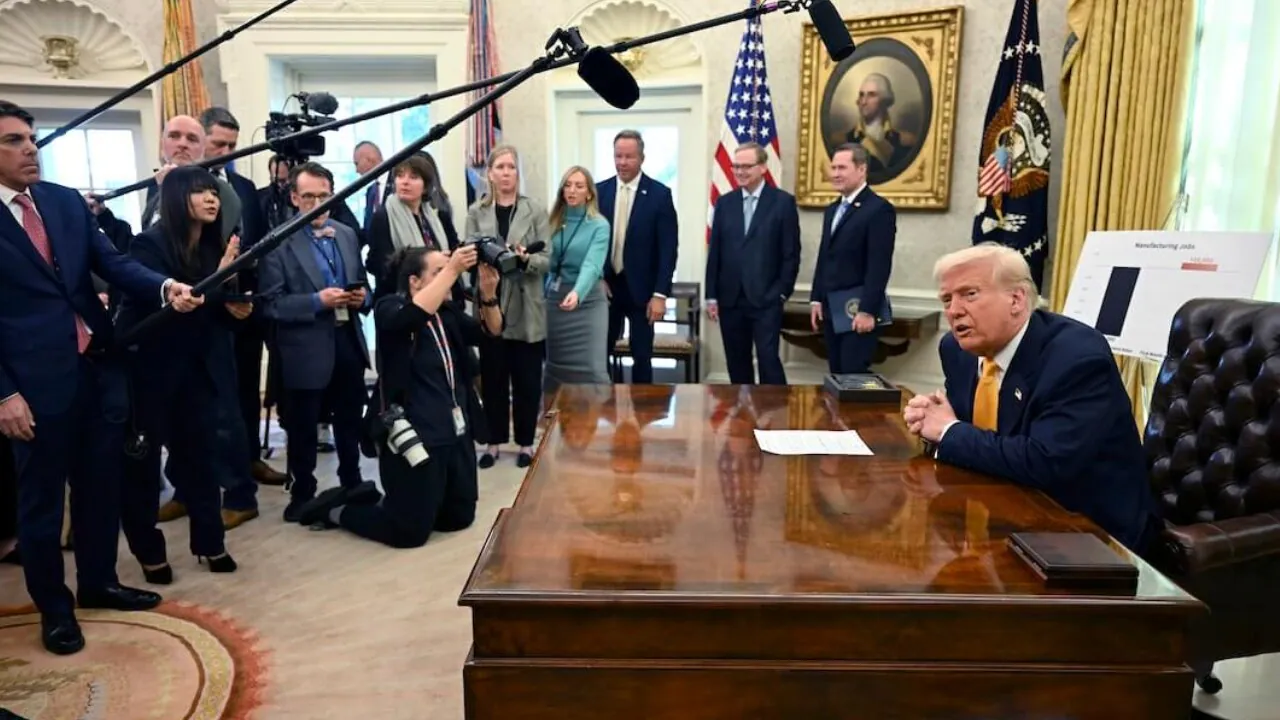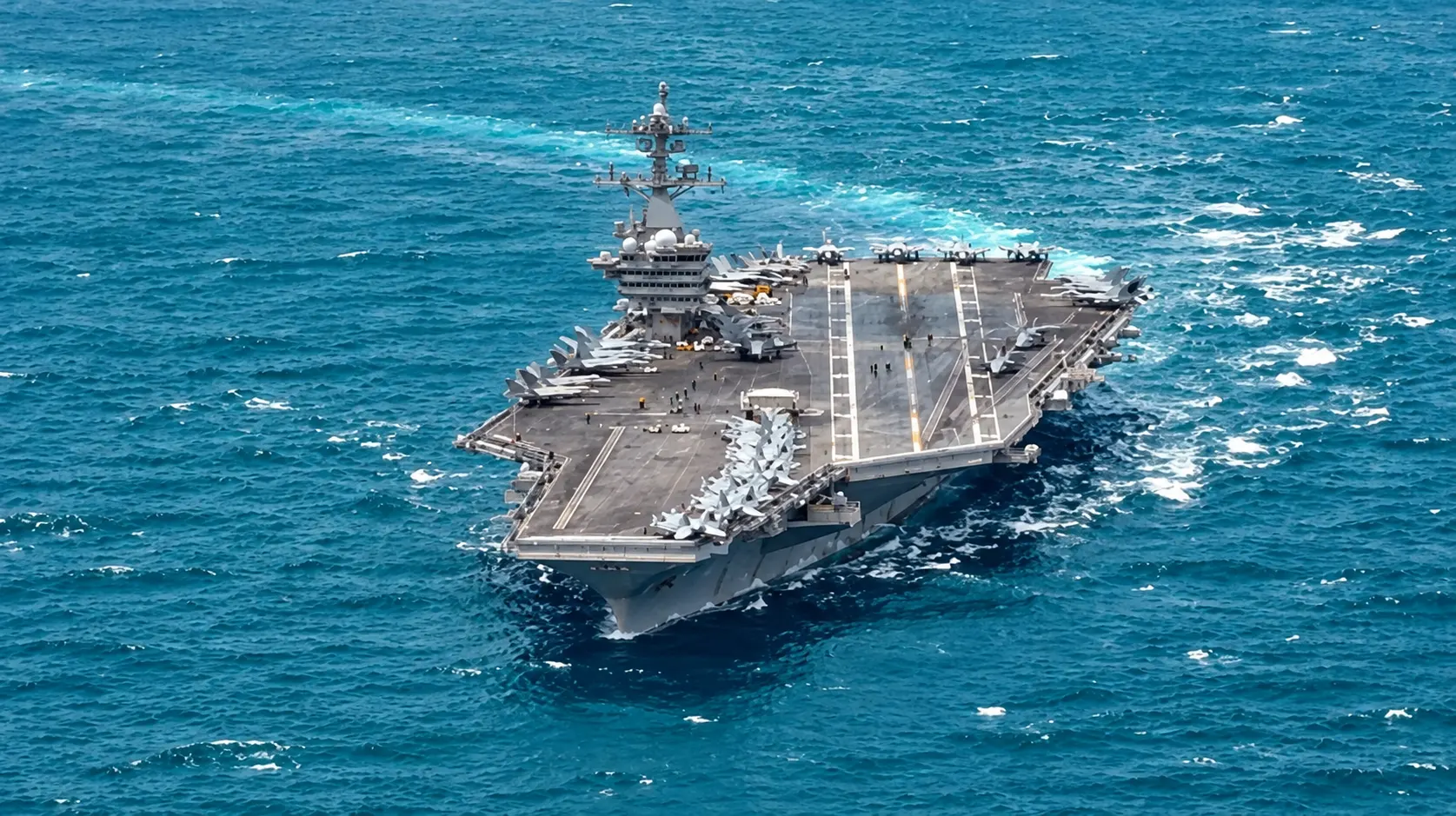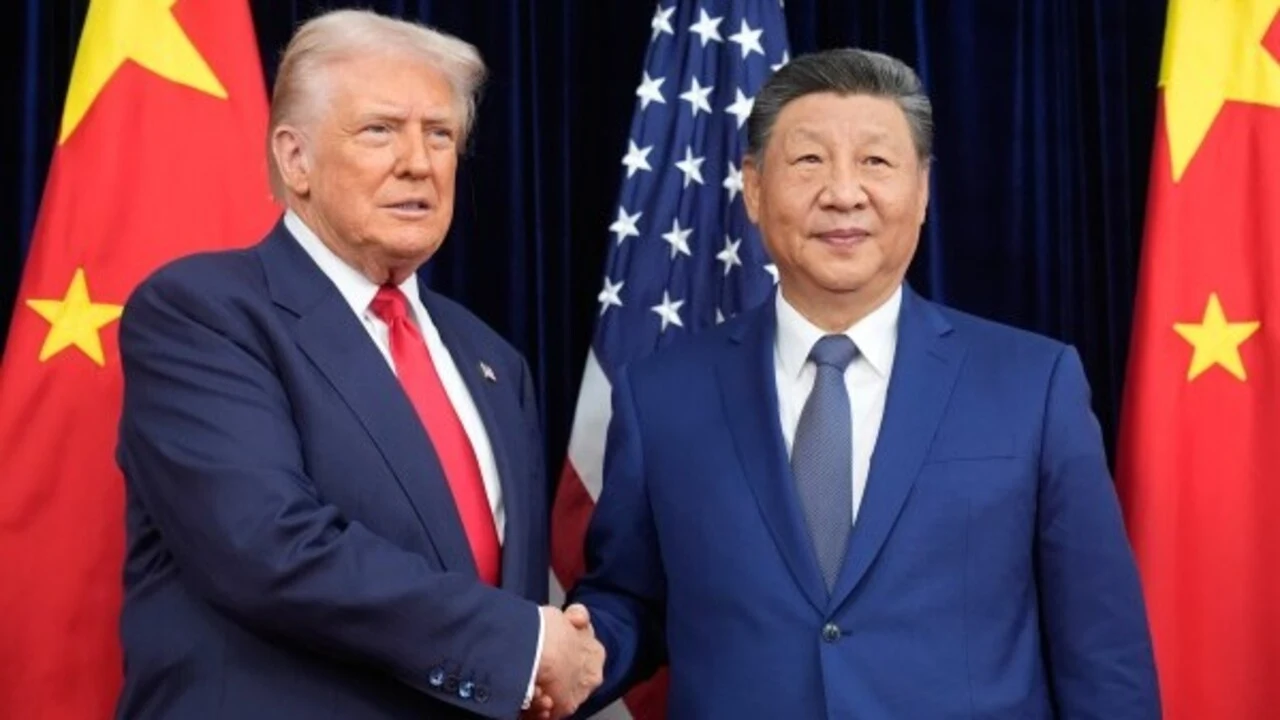
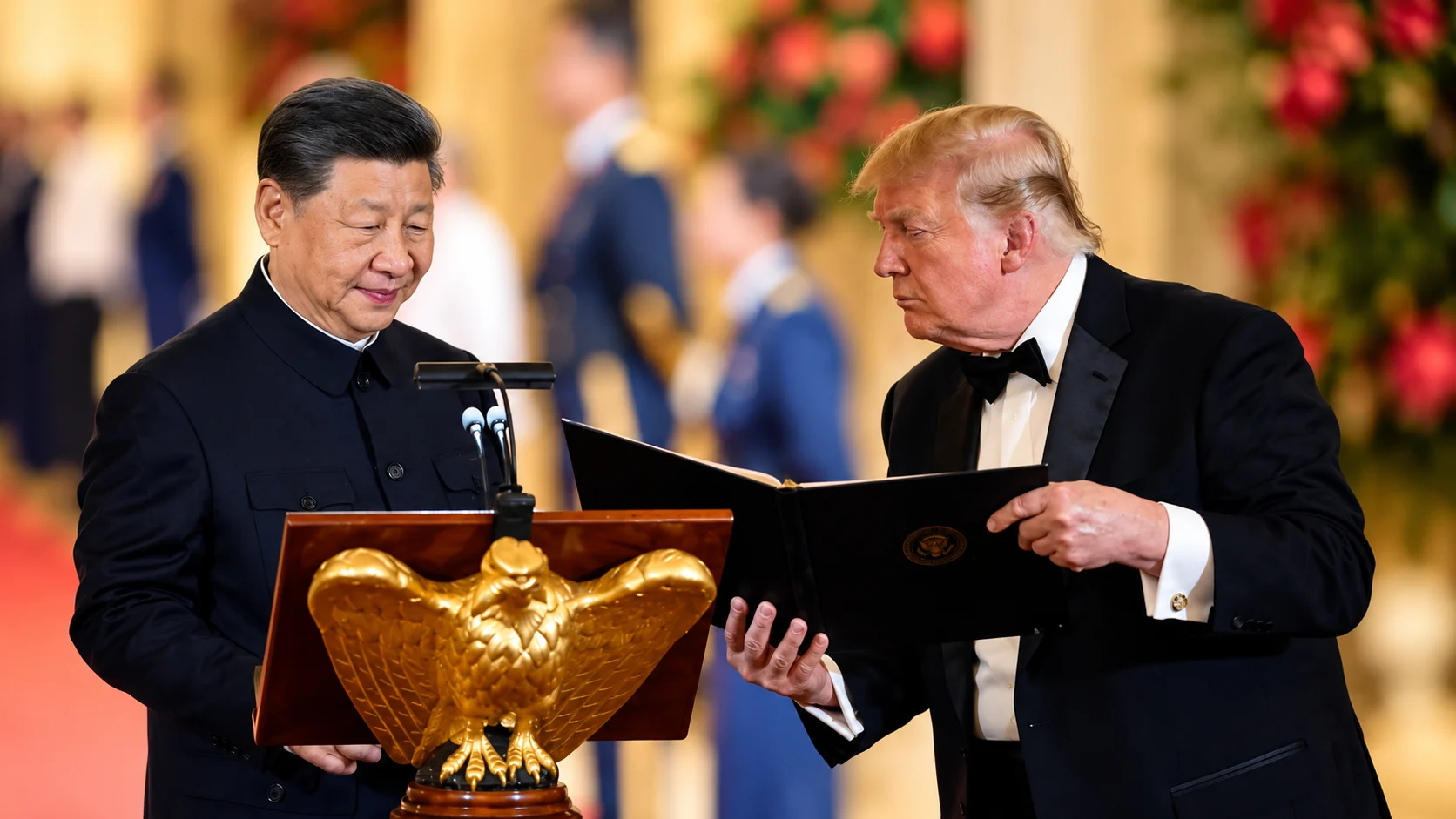
US President Donald Trump and Chinese President Xi Jinping held a closely watched summit that once again put the complex relationship between the world's two largest economies under the spotlight. The meeting came at a time when Washington and Beijing continue to compete over trade, technology, national security and Taiwan. While the two leaders presented a more cooperative tone during their discussions, several major disagreements remain unresolved. The high-profile visit also brought together some of the biggest names from the American business and technology sectors, highlighting the growing importance of trade and artificial intelligence in US-China relations.
Trade Relations Take Centre Stage
Trade remained one of the most important issues during the discussions between Trump and Xi. The United States and China have significant economic ties, but their relationship has been strained by tariffs, market access disputes, industrial competition and disagreements over supply chains. Both sides have an interest in preventing economic tensions from escalating further. Discussions focused on creating greater stability in bilateral trade and improving market opportunities for businesses and producers. However, several long-standing trade disputes remain unresolved, meaning further negotiations will likely be required before the two countries can reach broader economic agreements.
Taiwan Remains a Sensitive Issue
Taiwan continues to be one of the most difficult issues in the relationship between Washington and Beijing. China considers Taiwan part of its territory, while the United States maintains extensive unofficial relations with Taipei and has continued to support Taiwan's ability to defend itself. The Taiwan issue was part of the broader strategic discussions between Trump and Xi. Beijing has repeatedly urged Washington to respect China's position on Taiwan, while US policy has focused on maintaining peace and stability across the Taiwan Strait. Because the two countries have fundamentally different positions on the issue, Taiwan is expected to remain a major source of tension in their relationship.
Artificial Intelligence Emerges as a Major Battleground
Artificial intelligence has become one of the most important areas of competition between the United States and China. Both countries are investing heavily in advanced AI models, semiconductor technology, data centres and computing infrastructure. The technology has economic as well as national security implications, making AI an increasingly important part of US-China discussions. The presence of leading technology figures at the White House event further highlighted the importance of the sector. Nvidia CEO Jensen Huang, Apple CEO Tim Cook, OpenAI CEO Sam Altman and Tesla CEO Elon Musk were among the prominent business leaders associated with the high-profile gathering. Their presence reflected the growing connection between US-China economic relations and the global technology race.
Both Sides Seek to Keep Dialogue Open
Despite their differences, Trump and Xi also emphasized the importance of maintaining communication between Washington and Beijing. Trump highlighted his relationship with Xi and spoke about the potential for cooperation between the two countries. China has similarly stressed the importance of managing differences through dialogue rather than allowing disagreements to turn into larger confrontations. Maintaining communication between military and diplomatic officials is particularly important because it can help reduce the risk of misunderstandings during periods of heightened tension.
The Meeting Was About Stability as Much as Agreements
One of the key takeaways from the summit was the emphasis on keeping the relationship stable rather than expecting every major dispute to be resolved in a single meeting. Trade, Taiwan, AI, technology restrictions and national security are complex issues involving long-term strategic interests. As a result, the discussions are likely to be followed by additional negotiations and diplomatic engagement. The meeting therefore represented an effort to keep channels of communication open while both countries continue to compete in several critical areas.
What Happens Next?
The long-term impact of the Trump-Xi meeting will depend largely on what both governments do after the summit. Trade policies, technology restrictions, AI cooperation, semiconductor access and developments around Taiwan will remain closely watched. While the meeting did not eliminate the major differences between Washington and Beijing, continued direct communication could help both sides manage their disagreements. For businesses and global markets, greater predictability in US-China relations could also be significant because decisions made by the two countries often have consequences far beyond their own economies. Overall, the Trump-Xi summit demonstrated the complicated nature of the modern US-China relationship. The two countries remain strategic competitors, but they also have strong economic connections and shared interests in preventing instability. Trade, Taiwan and artificial intelligence are likely to remain at the centre of their relationship, making future negotiations and policy decisions particularly important for the global economy and international security.