
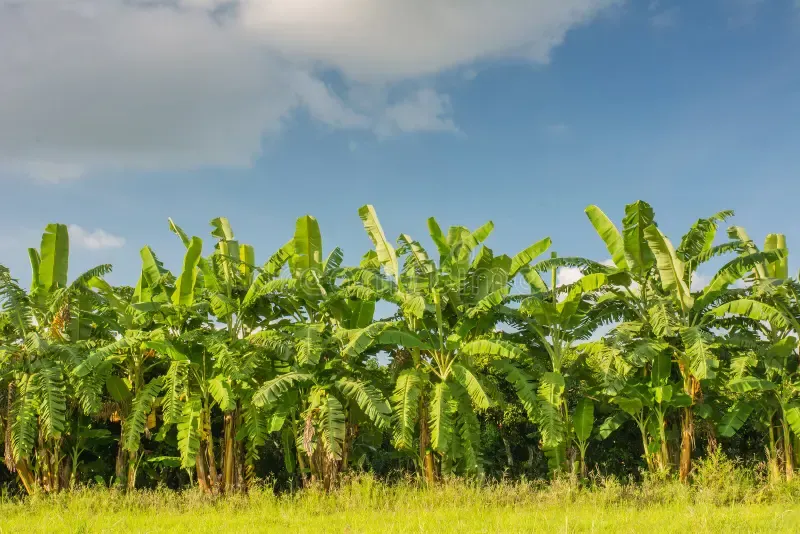
Jalgaon, Maharashtra: Banana growers in Maharashtras Jalgaon district are facing a severe price crisis as wholesale rates have dropped sharply amid disruptions in exports to West Asia and poor crop quality caused by inadequate rainfall. Jalgaon is one of Indias biggest banana-producing regions, and thousands of farmers depend heavily on the crop for their livelihoods. The latest fall in prices has created fresh financial pressure for growers who are already dealing with water shortages and drought-like conditions.
Banana Prices Fall to Just ₹5 Per Kg
Wholesale banana prices in parts of Jalgaon have fallen to extremely low levels. Farmers are reportedly receiving around ₹5 per kg for lower-quality bananas, while better-quality produce is being sold for approximately ₹11 per kg. The situation becomes even more difficult for farmers when production expenses are taken into account. Cultivating bananas requires significant spending on planting material, irrigation, fertilisers, pesticides, labour and other inputs. For some growers, selling the crop at current rates may not even cover the cost of production.
West Asia Disruptions Add to Farmers' Problems
One of the major factors being linked to the price decline is disruption in exports to West Asian markets. Iran has traditionally been an important destination for bananas produced in Jalgaon. Any interruption in the movement of agricultural produce to such markets can quickly affect the domestic supply-demand balance. When export orders decline or shipments face delays, more produce remains in local markets. This increases competition among sellers and can put downward pressure on wholesale prices. Farmers are therefore facing a difficult situation in which a weaker export market is adding to problems already created by adverse weather conditions.
Poor Rainfall Has Also Affected Crop Quality
The price crisis is not solely connected to export disruptions. Farmers and officials have also pointed towards weather conditions affecting the quality of bananas. Jalgaon has experienced water-related stress, while limited rainfall during September reportedly affected the crop. Lower-quality bananas generally attract weaker prices in wholesale markets, making the financial situation even more challenging for growers. For banana farmers, timing is particularly important because the fruit cannot simply be stored indefinitely until prices improve. Once bananas begin to ripen, growers have limited options and may be forced to accept whatever price traders are willing to offer.
Farmer Destroys Four-Acre Plantation
The seriousness of the crisis can be understood from the decision taken by farmer Vishnu Samadhan Ingle in Sule village. After reportedly being offered only around ₹3 per kg for his bananas, Ingle decided to destroy his four-acre plantation using a rotavator rather than sell the crop at a price he considered unsustainable. According to him, he had invested more than ₹7 lakh in the plantation and had harvested over 500 quintals of bananas. With the crop beginning to ripen and no satisfactory price available, he said destroying the plantation was a better option than selling the produce at a rate that would leave him with significant losses.
Farmers Compare Jalgaon Prices With Madhya Pradesh
The price difference between markets has further increased farmers' frustration. Ingle pointed out that wholesale bananas were reportedly fetching around ₹22 per kg in neighbouring Madhya Pradesh, while growers in Jalgaon were being offered substantially lower rates. Farmers argue that such differences require authorities to examine the local trading system and understand why growers are receiving such low returns despite the crop having demand in other markets.
District Administration Promises to Examine the Situation
Jalgaon District Collector Rohan Ghuge said wholesale banana prices had previously remained between ₹12 and ₹18 per kg, depending on quality. The administration has indicated that it will examine the reasons behind the sudden decline and assess the circumstances faced by affected farmers. Officials are also expected to speak with growers, including those who have already taken extreme measures after failing to secure remunerative prices for their produce.
Drought Conditions Increase Uncertainty
Farmers say the price crisis is arriving at a particularly difficult time because Jalgaon has been declared drought-hit. Water scarcity could affect the next cultivation cycle, creating uncertainty about how much land farmers will be able to bring under banana cultivation. Farmer Ramdas Patil said growers were already under pressure and that some were being forced into distress sales. The combination of limited water, rising cultivation expenses, uncertain export demand and weak wholesale prices has made banana farming increasingly difficult for many growers.
What Farmers Want From the Government
Banana growers are now seeking intervention to prevent further losses. They want authorities to examine the reasons behind the price crash and explore ways to improve market access for farmers. Better coordination between farmers, traders and exporters could help reduce uncertainty when international shipments are disrupted. Farmers may also benefit from improved storage, transportation and market-linkage facilities that can give them more options when prices fall suddenly. The current situation in Jalgaon highlights a larger challenge facing agricultural producers: even when a crop has strong demand, farmers can suffer heavy losses if export markets are disrupted, weather conditions damage quality and local prices collapse at the same time.