.webp)
Home / india / India Targets 100 GW Pumped Storage Capacity by 2035 as Hydropower Emerges as the World's 'Water Battery'
India Targets 100 GW Pumped Storage Capacity by 2035 as Hydropower Emerges as the World's 'Water Battery'
By: My India Times
3 minutes read 20Updated At: 2026-06-25

India Accelerates Pumped Storage Plans to Strengthen Renewable Energy Grid
With a goal of building 100 gigawatts (GW) of pumped storage hydroelectric capacity by 2035–36, India is increasing its aspirations for renewable energy, reflecting the nation's rising emphasis on dependable energy storage. India's growing interest in pumped storage projects is highlighted in the most recent Global Hydropower Outlook 2026, which describes hydropower as an essential "water battery" that may aid in the switch to sustainable energy. China continues to lead the world in hydropower development by a wide margin, with hundreds of gigawatts of projects either under construction or in advanced stages of development, according to the report, despite India's ambitious intentions.
What Is Pumped Storage Hydropower?
Unlike conventional hydropower plants that generate electricity from flowing water, pumped storage facilities work as large-scale energy storage systems. During periods of low electricity demand, surplus power is used to pump water to an upper reservoir. When electricity demand rises, the stored water is released back through turbines to generate power. By storing excess renewable energy produced by solar and wind projects and providing electricity when renewable generation decreases, this technology aids in the stabilization of electrical grids. Because of this capability, pumped storage plants are increasingly being referred to as "water batteries" for modern power systems.
India's Renewable Energy Goals Driving Investment
India's renewable energy sector has witnessed rapid expansion over the past decade, particularly in solar and wind power. However, the intermittent nature of these energy sources has increased the need for dependable storage solutions. Pumped storage hydropower, according to experts, can significantly contribute to enhancing grid resilience and balancing the supply and demand of electricity. New pumped storage facilities have already been located in a number of Indian states, and businesses in the public and private sectors are becoming more interested in investing in the technology. Energy security, less reliance on fossil fuels, and better integration of renewable energy into the country's electrical grid are all key components of the government's long-term energy policy.
China Maintains Global Leadership
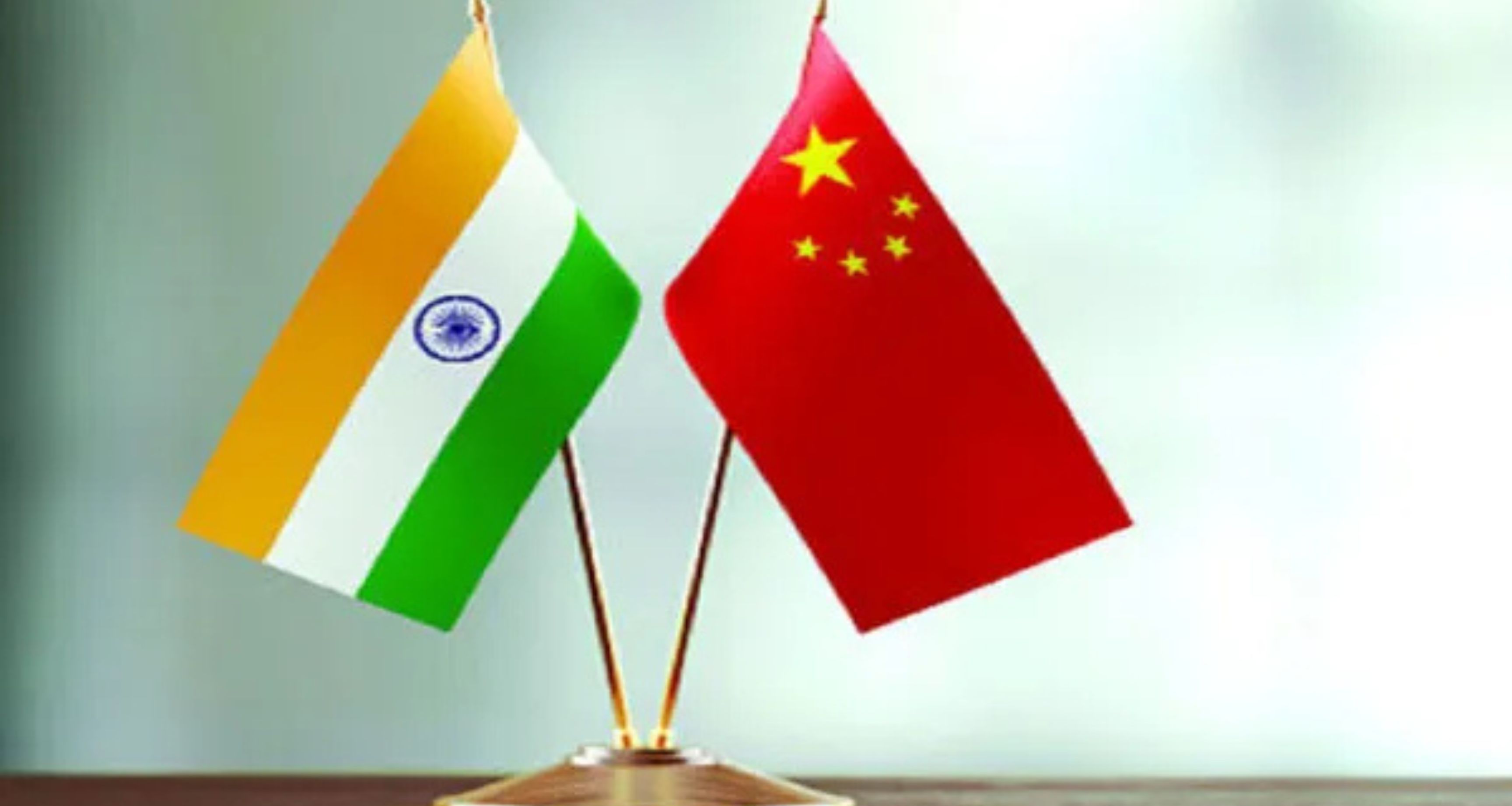
According to the Global Hydropower Outlook 2026, China remains the world's largest hydropower developer. Currently, the nation is developing more than 300 GW of hydropower capacity, including over 218 GW of pumped storage projects. China's extensive investment in large-scale infrastructure, advanced engineering capabilities, and long-term energy planning has allowed it to build one of the world's most comprehensive hydropower networks. Although India's planned expansion is substantial, experts acknowledge that matching China's scale will require sustained investment, faster project approvals, and improved transmission infrastructure.
Why Pumped Storage Is Becoming Increasingly Important
As countries increase their reliance on renewable energy, maintaining a stable electricity supply has become one of the biggest challenges. Solar panels produce electricity only during daylight hours, while wind generation depends on weather conditions. Pumped storage hydropower offers a practical solution by storing surplus electricity and making it available whenever demand rises. This flexibility reduces pressure on thermal power plants, lowers carbon emissions, and improves the overall efficiency of national power grids. Energy analysts expect pumped storage to become one of the key pillars supporting future clean energy systems across the world.
India's Road Ahead
India's target of achieving 100 GW of pumped storage capacity by 2035-36 represents a significant step toward building a stronger and more resilient power infrastructure. However, experts believe achieving this goal will depend on faster environmental clearances, improved financing, modern transmission networks, and timely project execution. If implemented successfully, these projects could help India meet its growing electricity demand while supporting its commitment to expanding renewable energy and reducing carbon emissions. As global investment in clean energy continues to rise, pumped storage hydropower is expected to play an increasingly important role in ensuring reliable, sustainable, and affordable electricity for the future.
....Independent reporting, fact-checked analysis and breaking news coverage from India and around the world.
Trusted source for breaking news, business, technology, world affairs, finance, economy, health, sports and market insights from India and around the globe.
Join our WhatsApp Channel




.webp)


.webp)












































































.png)
 (1).png)