Home / india / Pahalgam Terror Attack: PM Modi to Hold Second High-Level Meeting Amid Rising Tensions
Pahalgam Terror Attack: PM Modi to Hold Second High-Level Meeting Amid Rising Tensions
By: My India Times
3 minutes read 137Updated At: 2025-04-29
.webp "Pahalgam Terror Attack: PM Modi to Hold Second High-Level Meeting Amid Rising Tensions")
In the aftermath of the horrifying terrorist attack in Jammu and Kashmir’s Pahalgam region, Prime Minister Narendra Modi is set to chair a second high-level security meeting on Wednesday, as confirmed by government sources. The attack that went down on April 22, 2025, has really fired up the nation’s anger and brought up some serious worries about security gaps in one of India’s most unstable areas.
What Happened in Pahalgam?
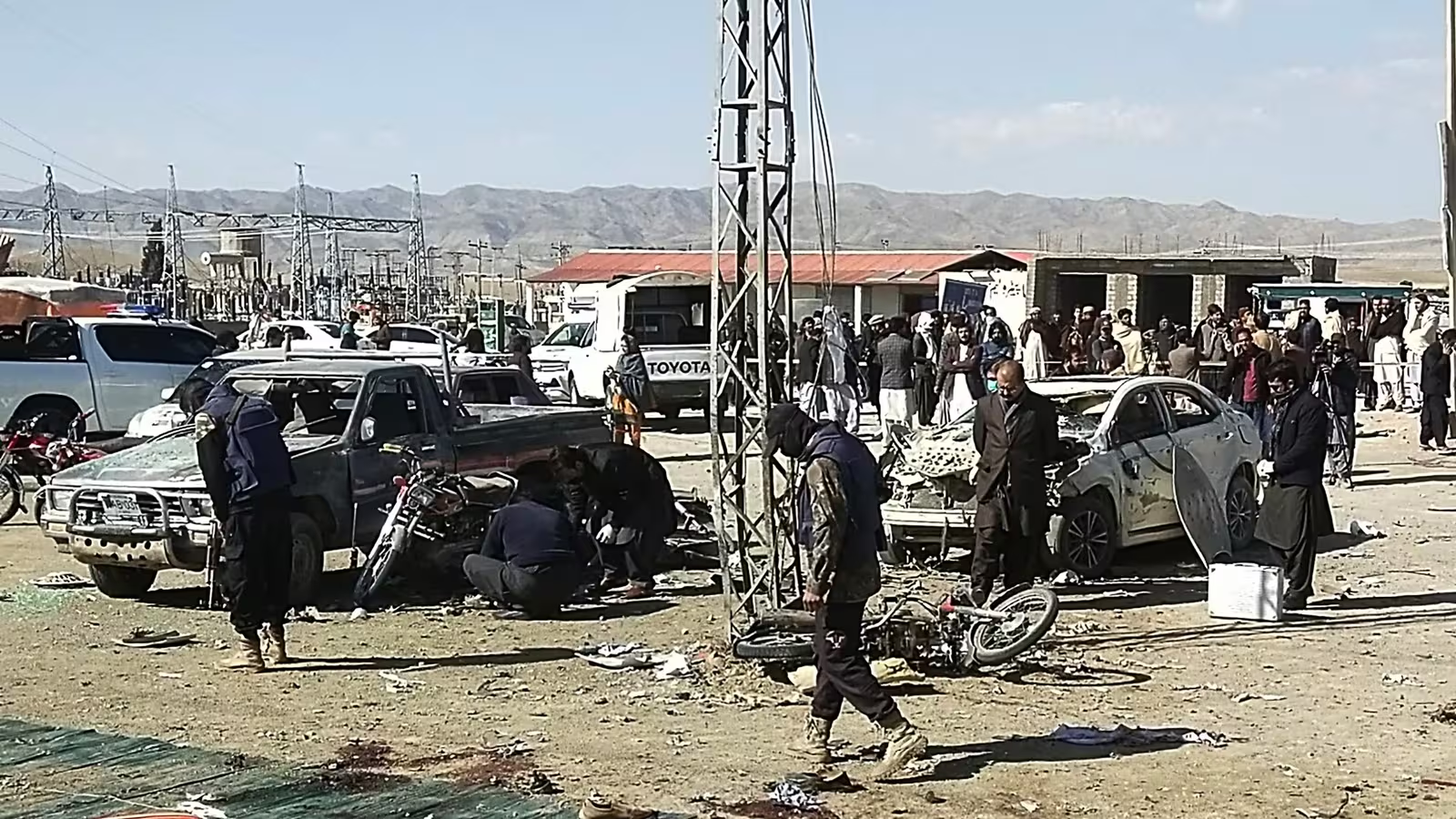
The serene valley of Pahalgam turned into a war zone when a group of terrorists ambushed a convoy of Hindu pilgrims, opening indiscriminate fire and hurling grenades at civilians. At least 26 people lost their lives, and more than a dozen were seriously hurt. The attack happened right in broad daylight, close to a popular trekking trail that's often packed with tourists and pilgrims alike.
Eyewitnesses described the scene as "complete chaos," with bloodied clothes, shattered vehicle windows, and cries for help echoing through the valley. The security forces reached the scene within minutes, but the attackers had already fled into the nearby forested areas.
Terror Group Claims Responsibility
A shadow outfit known as The Resistance Front (TRF), believed to be linked with Pakistan-based Lashkar-e-Taiba, has claimed responsibility for the attack. Just a few hours after the horrible attack, TRF put out a statement calling it a 'message to Indian occupiers.' Authorities say the attack looks like a well-planned cross-border terrorist operation—carefully thought through and executed carefully.
PM Modi's Immediate Action
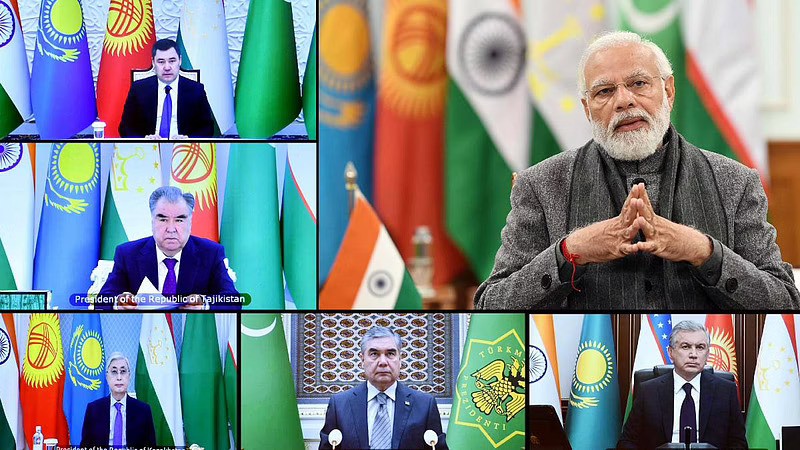
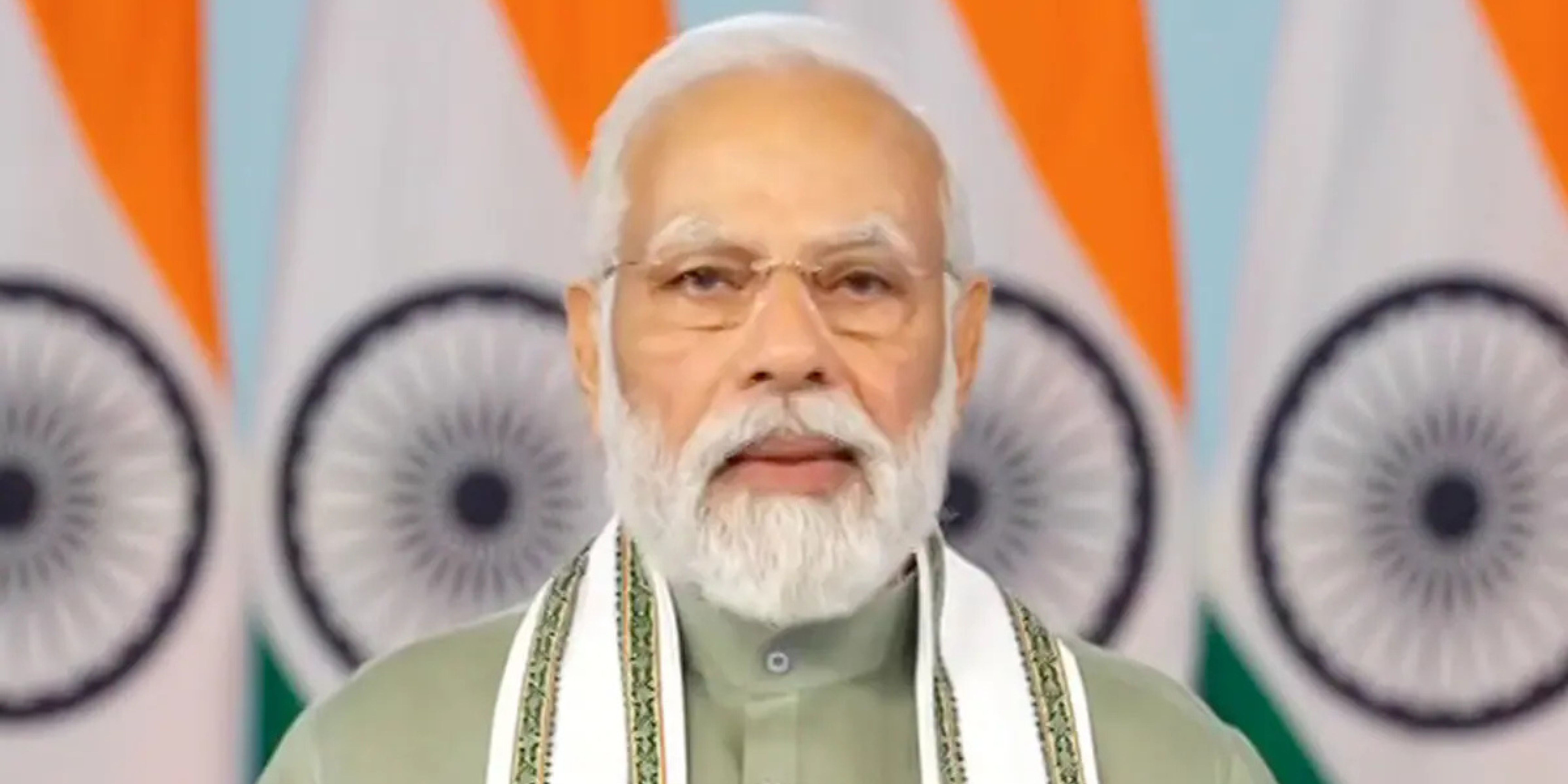
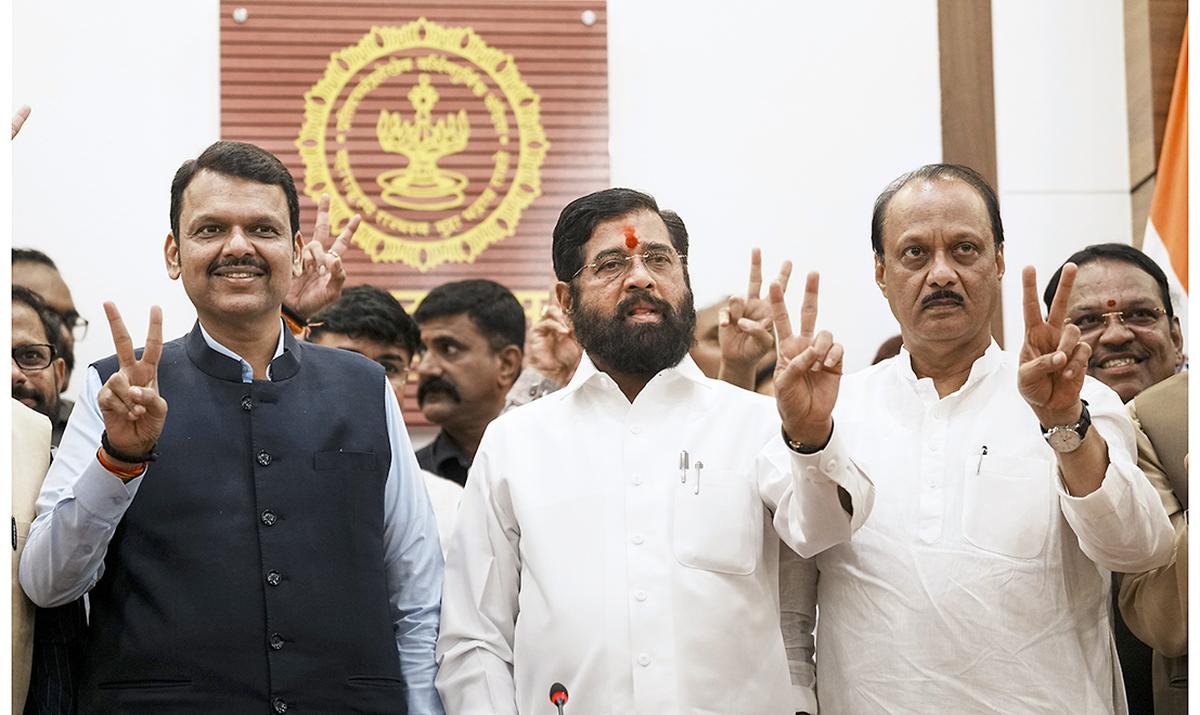
In a swift response, Prime Minister Modi chaired an emergency meeting on Monday evening with key figures including Home Minister Amit Shah, Defence Minister Rajnath Singh, NSA Ajit Doval, and the heads of intelligence agencies. During the meeting, the Prime Minister promised a firm and relentless response to those responsible for the attack. Now, insiders have confirmed that he’s set to lead another important meeting on Wednesday to go over the intelligence, look at weak spots on the border, and decide on India’s next diplomatic and military moves.
Massive Crackdown in the Valley
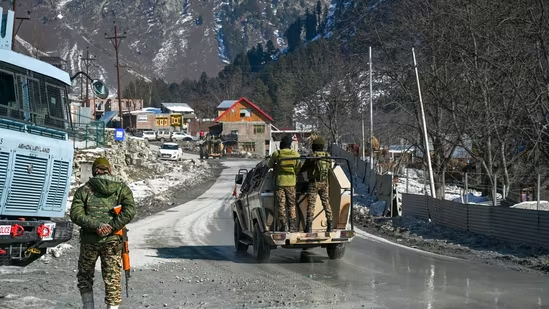
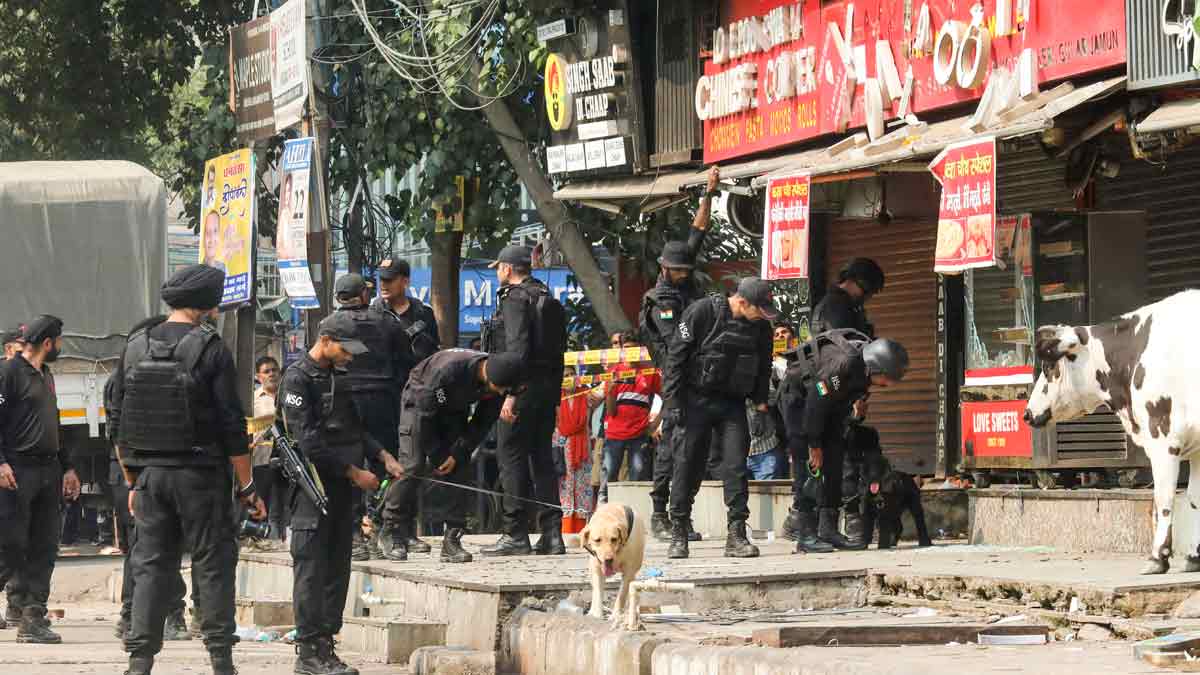
In the wake of the attack, the security apparatus in Kashmir has launched one of its largest anti-terror operations in recent years. Over 2,000 people have been detained, and multiple terror hideouts have been busted in Anantnag, Pulwama, and Shopian.
Road checkpoints have been increased, drone surveillance has been intensified, and mobile internet services in parts of South Kashmir remain suspended. Several suspects are under interrogation, and preliminary reports suggest that the attackers may have received logistical support from local sympathizers.
Tourism and Public Sentiment Hit Hard
The attack comes at a time when Kashmir’s tourism industry was beginning to show signs of recovery. Following the incident, bookings for April and May have seen massive cancellations. Authorities have temporarily suspended access to over 40 tourist sites for security reasons.
Tourism department officials fear losses worth over ₹150 crore this season alone. Local traders and hoteliers, many of whom rely solely on tourism for income, have urged the government to restore peace quickly and provide financial relief.
India-Pakistan Tensions Escalate
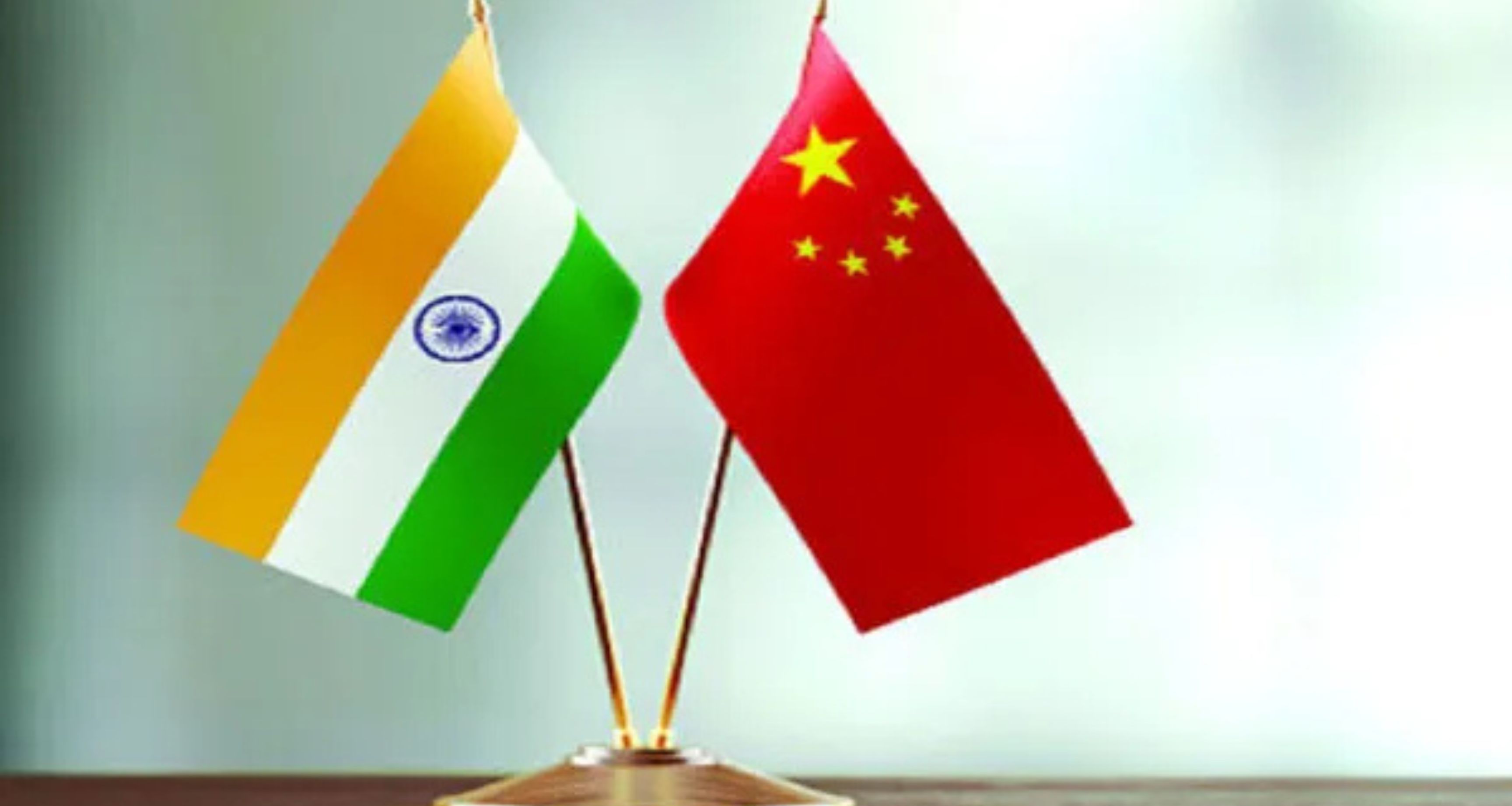
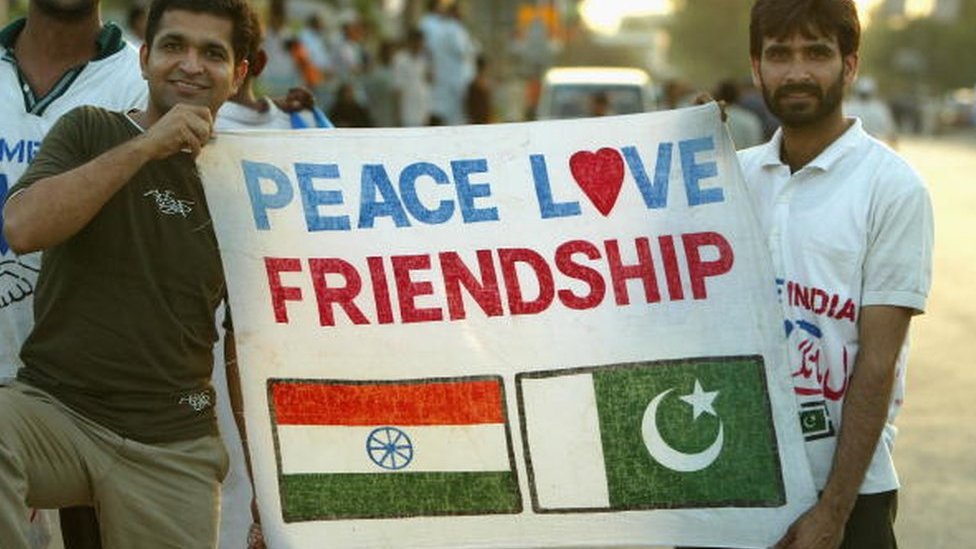
The attack has also heightened diplomatic tensions between India and Pakistan. New Delhi has blamed Islamabad for harboring terror groups and demanded international accountability. In response, Pakistan denied involvement and accused India of “fabricating narratives.”
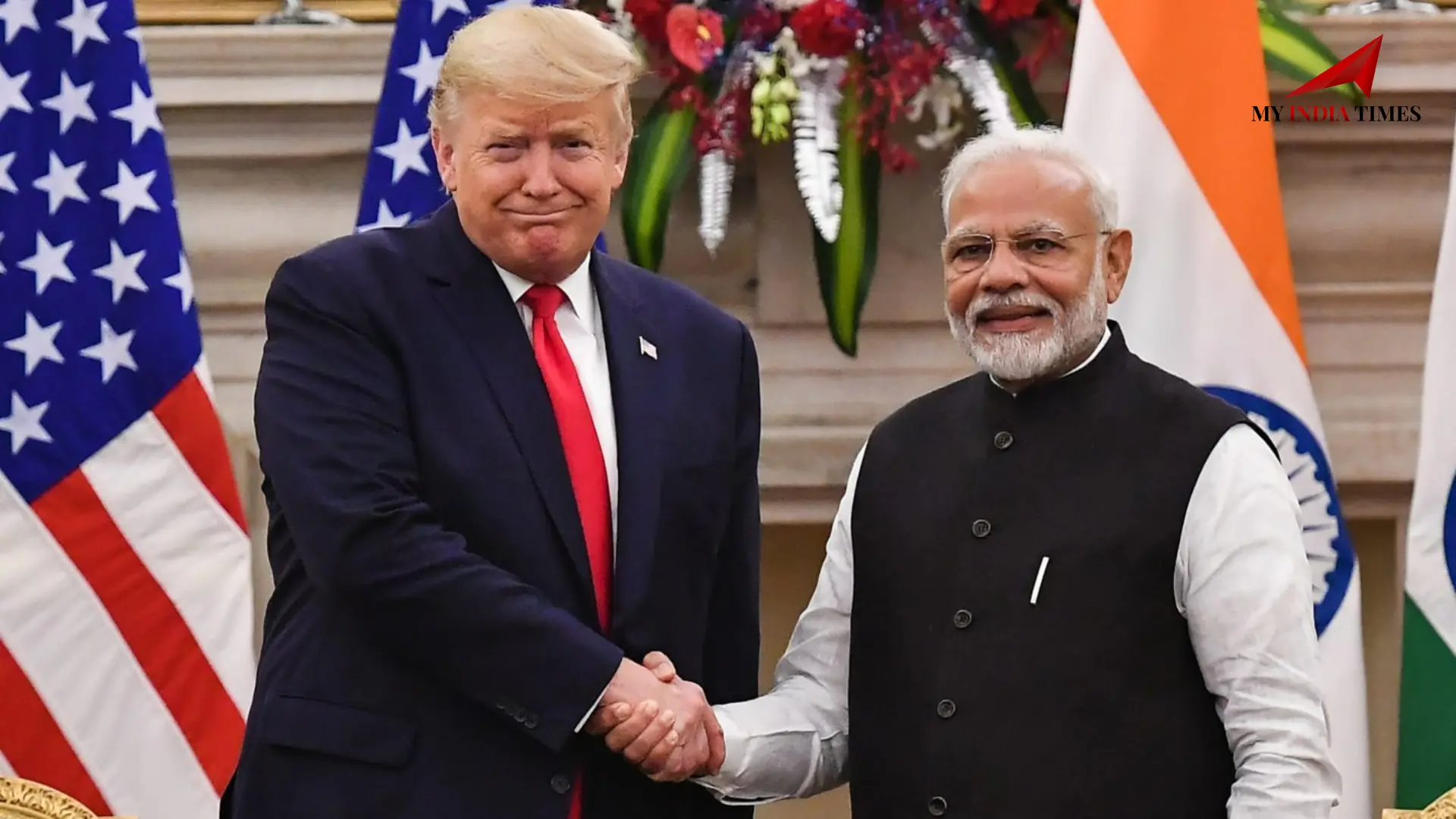
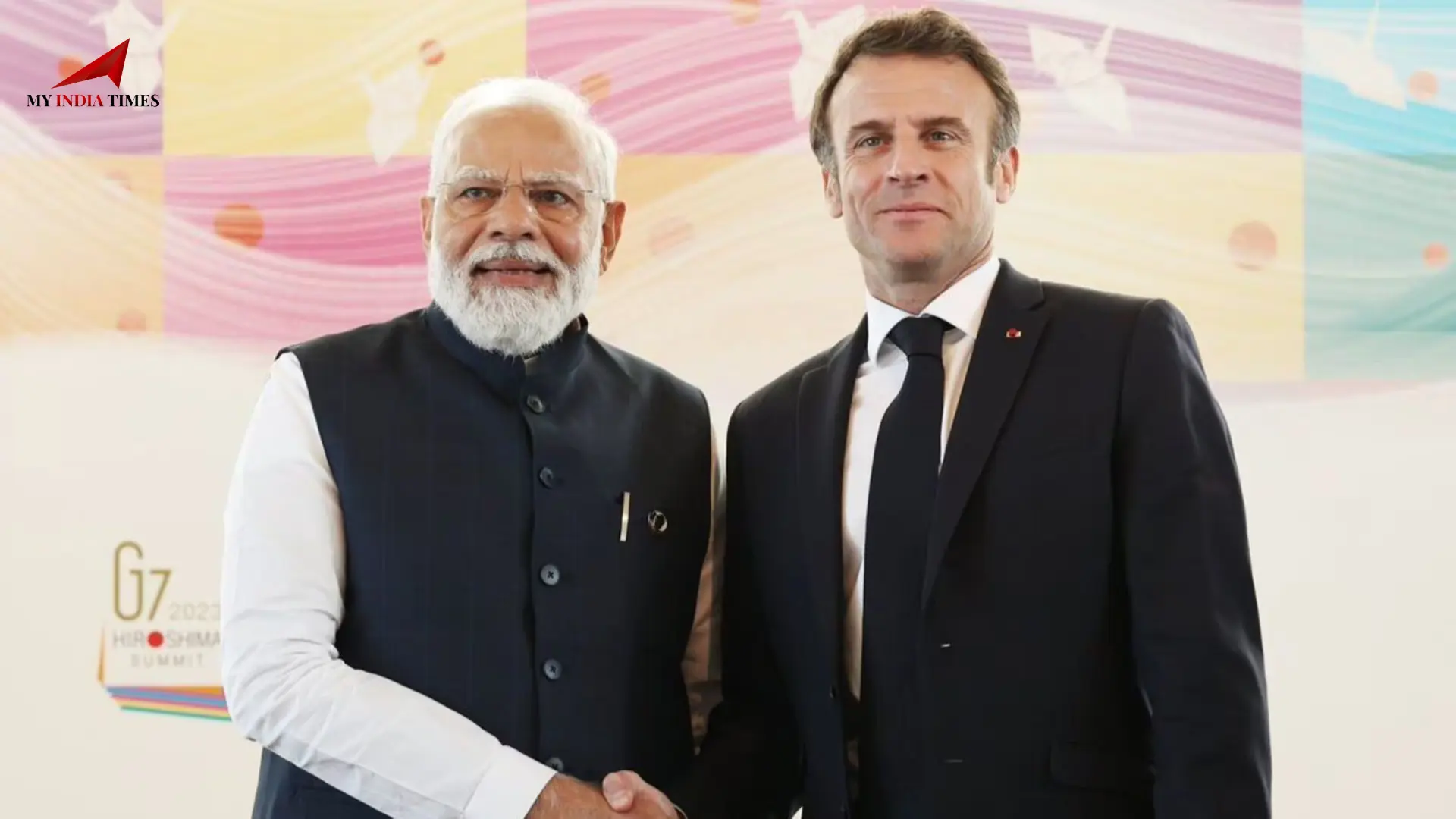
Meanwhile, India has suspended talks on the Indus Waters Treaty, revoked multiple Pakistani visas, and recalled its High Commissioner. Sources in the Ministry of External Affairs suggest that backchannel diplomatic pressure is being mounted on Pakistan via allies such as the U.S. and France.
Nation Demands Justice
Across the country, people have taken to the streets and social media, demanding immediate action. Hashtags like #JusticeForPahalgam, #IndiaStrikesBack, and #EndTerrorNow are trending. Candlelight vigils have been held in several cities, with citizens urging the government to adopt a zero-tolerance policy against terrorism.
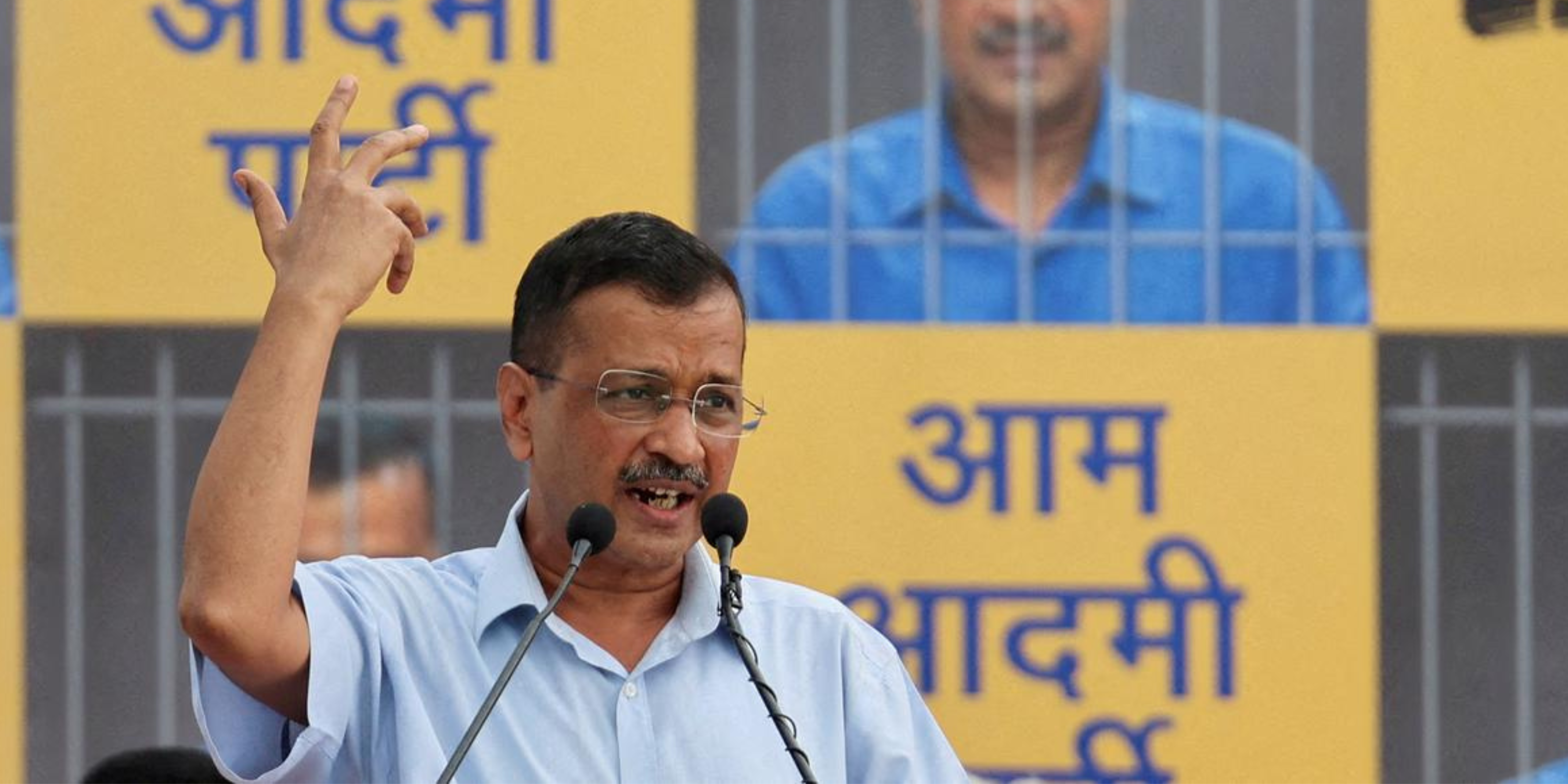
Political leaders from all major parties, including the Congress and Aam Aadmi Party, have condemned the attack and expressed support for the armed forces. However, some opposition leaders have also questioned the security lapses that allowed such an attack to happen in a high-alert zone.
....By: My India Times
Updated At: 2025-04-29
Tags: india News | My India Times News | Trending News | Travel News
Join our WhatsApp Channel




.webp)





























.png)
 (1).png)