Nepal flash floods have triggered a massive humanitarian crisis along the Nepal-Tibet border, with 288 Indian nationals still unaccounted for and 21 Indians rescued, according to the Ministry of External Affairs. The disaster has killed at least 270 people in Nepal, while more than 1,300 people are reported missing across Nepal and Tibet.
The scale of destruction from the Nepal flash floods continued to become clearer on Thursday, August 27, as rescue teams searched devastated river valleys, roads and settlements for survivors. The Ministry of External Affairs said 288 Indian nationals remain unaccounted for in Nepal. Those affected include workers associated with hydropower projects as well as tourists and pilgrims travelling through the Himalayan region. Among them are 73 Indians associated with the Trishuli One hydropower project. The Indian Embassy in Kathmandu is coordinating with officials and project authorities to establish the whereabouts of those who remain out of contact. At the same time, 21 Indian nationals from Tamil Nadu who were travelling for the Kailash Mansarovar Yatra have been rescued. The development has brought some relief to families anxiously waiting for information about relatives caught in the disaster.
Nepal flood death toll rises as search operations continue
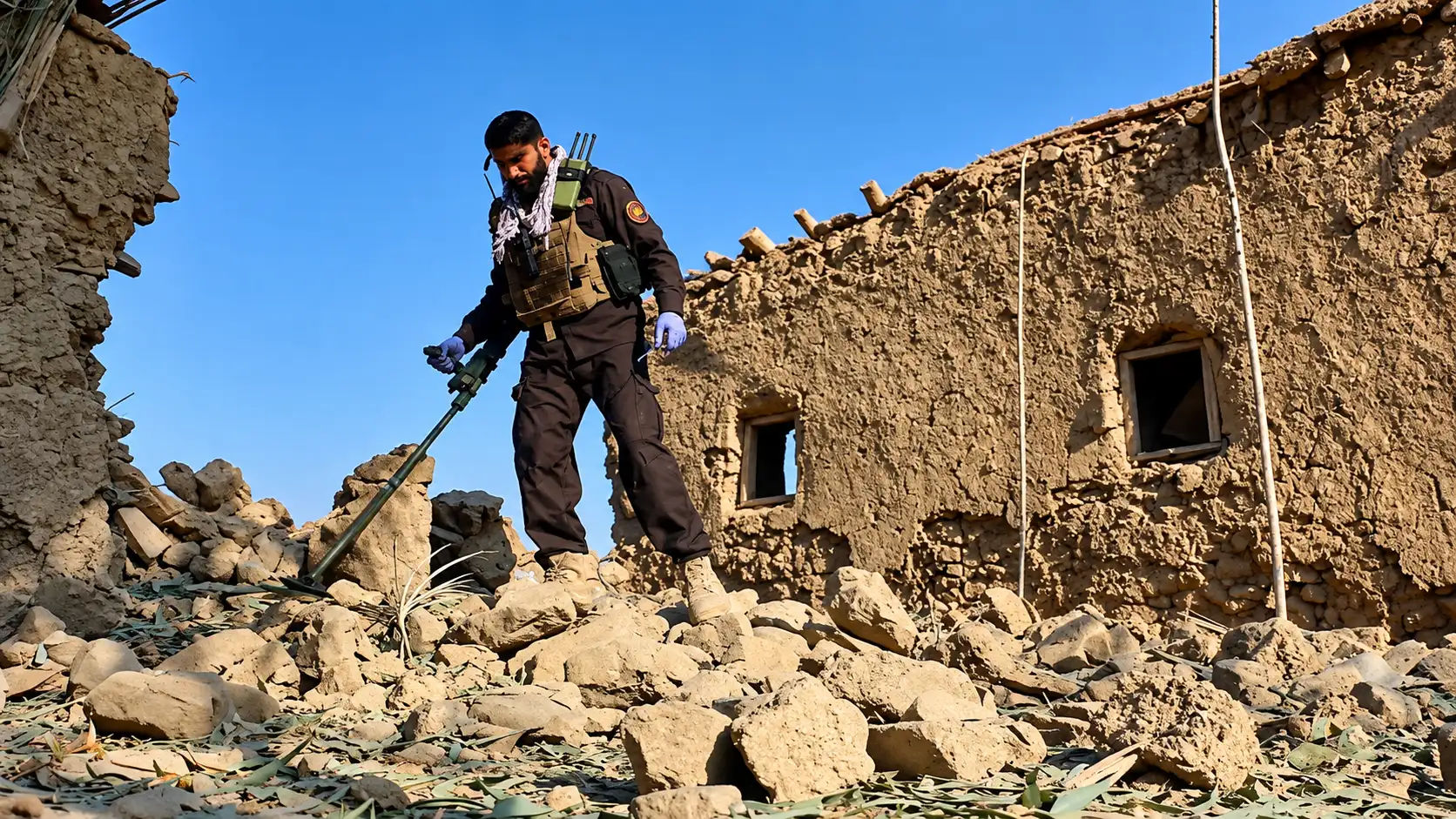
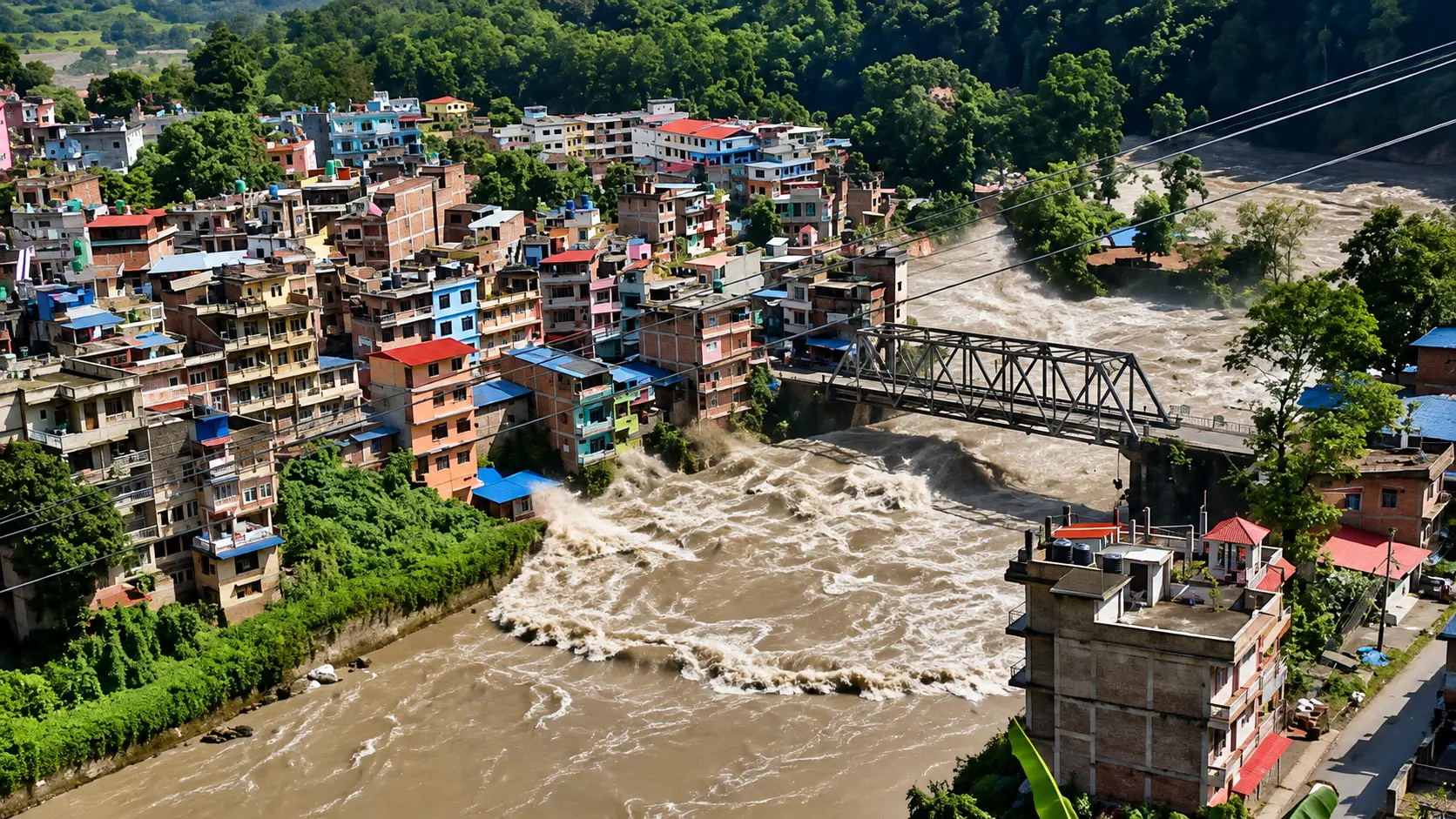
Nepal Police said the death toll from the catastrophic flooding had reached 270 by Thursday. The number rose sharply as rescue teams recovered additional bodies from areas affected by the Bhotekoshi River flooding. The final scale of the disaster remains uncertain because several remote areas are difficult to access. Roads and bridges have been damaged or swept away, communications have been disrupted, and some settlements have been cut off. Across Nepal and Tibet, reports indicate that more than 1,300 people remain missing. The missing include residents, workers and foreign visitors who were travelling through the region when the disaster struck. Rescue officials are working against difficult Himalayan terrain and the possibility of further landslides. Helicopters are being used extensively because several road routes into the affected areas have become unusable.
288 Indians remain unaccounted for
The situation involving Indian nationals has become one of the most closely watched aspects of the disaster.MEA spokesperson Randhir Jaiswal said 288 Indians in Nepal remain unaccounted for. The list includes 73 workers connected with the Trishuli One hydropower project, while others are believed to have been travelling as tourists or pilgrims. The Indian government has been coordinating with Nepalese authorities and its embassy in Kathmandu to gather information and assist affected citizens. Another group of approximately 200 Indians on the Chinese side of the border has also sought assistance from India, adding another layer to the cross-border rescue effort. The Indian Embassy has also issued emergency contact numbers for citizens and families seeking information about people affected by the disaster.
21 Tamil Nadu pilgrims rescued
There was a major breakthrough on Thursday when 21 Indians from Tamil Nadu were rescued from the flood-hit region. The group had travelled in connection with the Kailash Mansarovar Yatra, one of the most important pilgrimage journeys undertaken by Indian devotees. The timing of the disaster has made the situation particularly serious because the region was witnessing a large movement of pilgrims and tourists. The Nepal-Tibet border is a critical route for travellers heading towards the sacred Mount Kailash region. Several groups were in the area when the flash floods and debris flows struck. Reuters reported that a Tamil Nadu group included dozens of pilgrims travelling towards Kailash, with one of its buses swept into a gorge. Families have since been trying to establish contact with missing relatives.
What caused the Nepal flash floods?
The initial explanation for the disaster focused on seismic activity after instruments detected what appeared to be an earthquake. However, the United States Geological Survey later provided a different explanation. The USGS said the seismic signal initially interpreted as an earthquake was actually associated with a glacial collapse and debris flow. The collapse triggered catastrophic downstream impacts rather than being caused by a conventional earthquake. The event occurred in the high Himalayan region near the Nepal-China border. A large mass of ice and rock is believed to have fallen into a mountain valley, generating a sudden surge of water, mud, rocks and debris. That material then moved downstream at enormous speed, affecting rivers and settlements in the region. Experts have cautioned that the exact chain of events is still being studied. Some researchers believe the glacier collapse was an important trigger but may not have been the only factor involved in producing the devastating flood.
Why the disaster became so destructive
The geography of the Himalayan region magnified the impact. Mountain rivers can rise extremely quickly when large amounts of water and debris suddenly enter narrow valleys. Experts cited by international media said water levels in the Trishuli River rose dramatically within a short period after the event. The combination of ice, rock, mud and water created a highly destructive debris flow capable of destroying bridges, roads, buildings and other infrastructure. The destruction of transportation links has also made rescue operations significantly harder. Many areas cannot be reached easily by road, forcing authorities to depend heavily on helicopters and other aircraft.
More than 40 private helicopters deployed for relief
Nepal has intensified its aerial rescue and relief operation. More than 40 private helicopter charter flights had reportedly operated from Tribhuvan International Airport in Kathmandu by Thursday afternoon, carrying food, medical supplies and other essential materials towards flood-hit locations. Additional helicopters remained on standby as authorities attempted to reach isolated communities. The Nepal Army has also been conducting rescue missions using helicopters and ground teams. According to the Nepal Army, dozens of people were evacuated through a combination of aerial and ground operations. More than 2,000 personnel have been deployed for search, rescue and relief activities across affected areas. Nepal Prime Minister Balendra Shah said rescue flights had begun early Thursday, while emergency supplies including generators, medical equipment, tents and communication equipment were being moved into the disaster zone.
India sends another relief consignment
India has stepped up humanitarian assistance to Nepal as the neighbouring country struggles to respond to the disaster. A second consignment of relief supplies was sent to Nepal on Thursday. The latest assistance follows India's initial emergency support after the floods devastated communities along the border region. India has said it will continue providing assistance according to Nepal's requirements. The relief effort is particularly important because large sections of the affected region remain difficult to access, while survivors need food, drinking water, medicines, temporary shelter and communications support.
China launches rescue efforts in Tibet
The disaster has also caused major damage on the Chinese side of the border. Chinese Premier Li Qiang visited the flood-affected Gyirong area of Tibet on Thursday as rescue and relief operations continued. Chinese authorities have reported hundreds of people missing in the region, with emergency teams working to search affected areas and assist stranded residents and travellers. The cross-border nature of the disaster has made coordination between Nepal, India and China especially important.
Concern over communication and early warnings
The disaster has also raised questions about information sharing and early-warning systems in the Himalayan region. Former Nepal minister Madhav Prasad Chaulagain said the absence of timely information exchange between Nepal and China was concerning, particularly given the region's history of glacier-related hazards. The comments have renewed attention on the need for stronger disaster-monitoring systems in the Himalayas. Experts have repeatedly warned that mountain communities face increasing risks from glacier instability, landslides, avalanches and sudden floods.
Climate change adds to Himalayan risks
Scientists are also examining whether broader environmental changes could be contributing to the increasing vulnerability of Himalayan regions. The Himalayas have experienced significant glacier retreat as temperatures rise. Scientists caution, however, that it would be premature to attribute this particular disaster directly to climate change without further research. Researchers have pointed out that warming can contribute to glacier retreat and destabilisation of frozen ground, potentially increasing the risk of certain types of mountain hazards. The current disaster is therefore likely to become an important case study for scientists studying the changing risk profile of the Himalayan region.
Families continue waiting for missing relatives
While governments and rescue agencies focus on operations, hundreds of families remain desperate for information. For Indian families, uncertainty is particularly painful because many missing people were travelling for pilgrimage or employment. The number of missing Indians could change as communication is restored and rescue teams reach isolated locations. Authorities are continuing to verify lists and establish contact with people who may have survived but remain stranded. The 21 Indians rescued from Tamil Nadu have provided a positive development amid an otherwise devastating situation.
Nepal flash floods: Rescue mission enters critical phase
The next few days will be crucial for rescue teams. Authorities must locate survivors, recover bodies, restore damaged roads and bridges, and deliver emergency supplies to communities cut off by the flooding. At the same time, officials remain alert to additional landslides, unstable slopes and further flooding. With hundreds dead and more than 1,300 people missing across Nepal and Tibet, the Nepal flash floods have emerged as one of the region's most devastating disasters in recent years. For India, the immediate priority remains locating the 288 missing nationals, supporting the rescued pilgrims and assisting Nepal with relief operations. As helicopters continue flying into remote areas and rescue teams expand their search, families across India and several other countries are waiting for one thing above all: news that their loved ones have been found alive.