.webp)
Home / travel / Planning A Trip To Japan? Your Visa Could Soon Cost Five Times More
Planning A Trip To Japan? Your Visa Could Soon Cost Five Times More
By: My India Times
3 minutes read 8Updated At: 2026-06-22

If Japan has been on your travel bucket list, you may want to apply for your visa sooner rather than later. Millions of foreign visitors will be impacted by Japan's announcement of a significant rise in visa costs, which is the nation's first significant change in almost 50 years. The new fee structure will come into effect from July 1 and will significantly raise the cost of obtaining both single-entry and multiple-entry visas. In addition to contending with inflationary pressures and a declining national currency, Japan is currently seeing record-breaking visitor arrivals.
What Is Changing?
Under the revised fee structure, the cost of a single-entry visa will jump from 3,000 yen to 15,000 yen. Meanwhile, travellers seeking a multiple-entry visa will have to pay 30,000 yen instead of the current 6,000 yen. For Indian travellers, this means a single-entry visa that currently costs around ₹1,700-₹1,800 could soon cost close to ₹9,000. The fee for a multiple-entry visa could rise to nearly ₹18,000, depending on exchange rate fluctuations. The increase is one of the largest revisions ever made to Japan's visa system and is expected to impact tourists, business travellers, students and other foreign nationals planning to visit the country.
Why Has Japan Taken This Step?
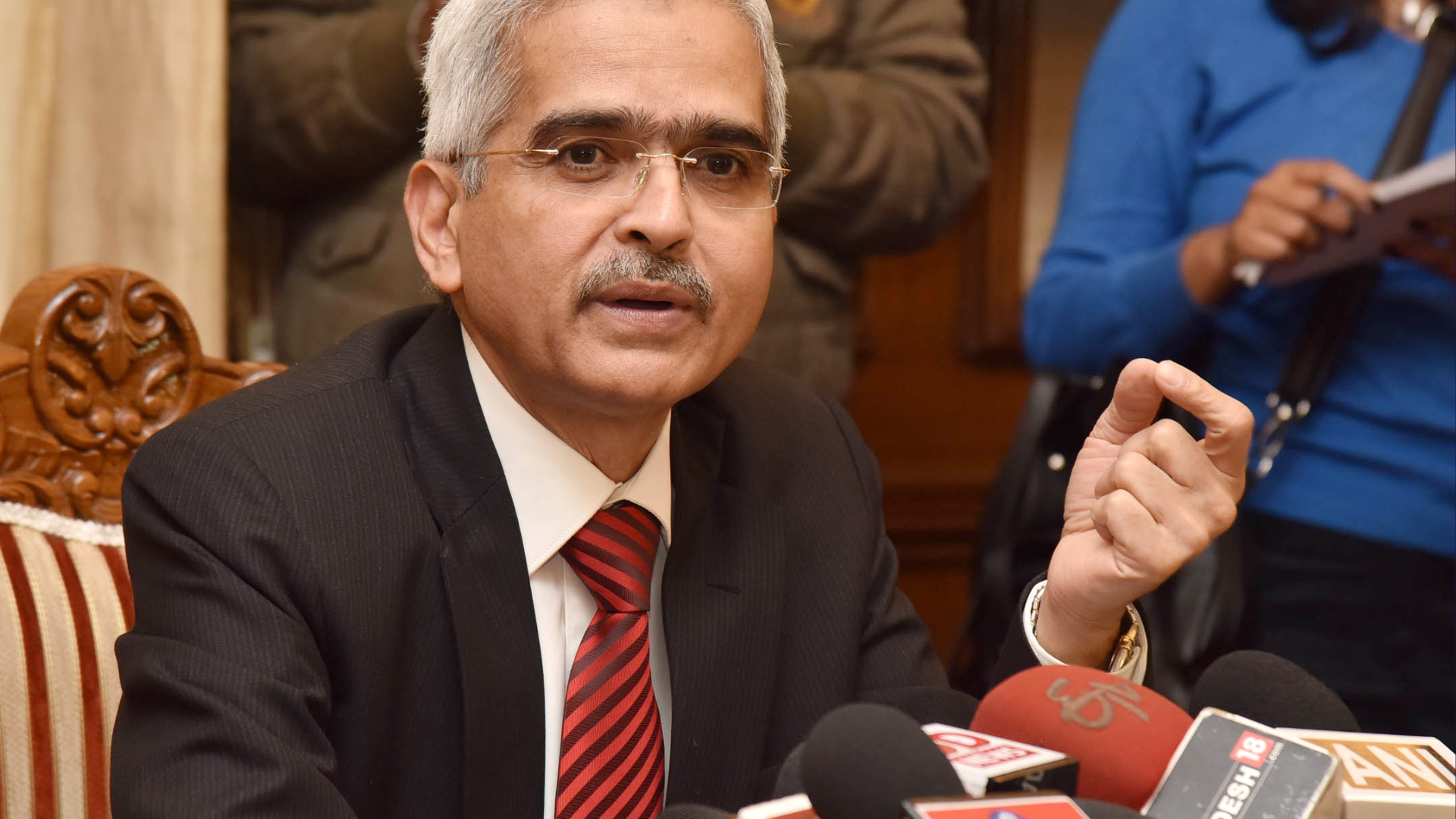
According to Japanese officials, the prior fee schedule hasn't altered much since 1978. Administrative expenses have significantly increased during the last few decades. Inflation, rising operational expenses, and currency fluctuations have all contributed to the government's decision to revise visa charges. Japanese officials stated at a recent press conference that the current prices did not accurately reflect the true cost of running immigration services and processing visa applications.
The Japanese yen has also lost significant value against major global currencies in recent years. Since 2021, the currency has remained under pressure, touching levels not seen in decades. This has made Japan an attractive destination for foreign tourists while simultaneously increasing financial pressure on government services.
Tourism Boom Brings New Challenges
Interestingly, the announcement comes during one of the strongest periods for Japan's tourism industry. After the pandemic-era travel restrictions were lifted, international visitors returned to Japan in massive numbers. Last year alone, the country welcomed more than 42 million tourists, the highest figure in its history. Popular destinations such as Tokyo, Kyoto, Osaka and Hokkaido have experienced record visitor numbers. Hotels, transport services and local businesses have benefited from the tourism surge, but government agencies have also faced increased workloads in processing visas and immigration-related applications. Analysts believe the revised fee structure is partly aimed at helping authorities manage the growing demand while covering rising operational costs.
More Expensive For Foreign Residents Too
The visa fee hike is not the only change being introduced. Japan's parliament has already approved amendments that will increase several immigration-related charges for foreign nationals living in the country. Applications related to permanent residency, visa extensions and changes in residency status are also expected to become considerably more expensive under the new framework. For long-term residents, students and foreign workers, these changes could translate into higher administrative costs over the coming years.
Will The Higher Fees Reduce Tourist Arrivals?
Despite the sharp increase, travel experts do not expect a significant drop in visitor numbers. Japan continues to rank among the world's most desired travel destinations. From cherry blossom festivals and ancient temples to futuristic cities and world-famous cuisine, the country offers experiences that attract travellers from every corner of the globe. For many visitors, visa expenses make up only a small fraction of the total travel budget. Airfare, accommodation, local transportation and sightseeing costs generally account for a much larger share of overall spending. As a result, industry observers believe most travellers who have already planned a Japan trip are unlikely to cancel their journeys because of the revised visa fees.
What Travellers Should Know
Anyone considering a trip to Japan later this year should factor the new visa charges into their travel budget. Those eligible to apply before July 1 may benefit from the current fee structure, potentially saving a significant amount. Travellers are also advised to regularly check updates from Japanese embassies and consulates, as visa regulations and processing requirements may vary depending on nationality and travel purpose.
....Independent reporting, fact-checked analysis and breaking news coverage from India and around the world.
Trusted source for breaking news, business, technology, world affairs, finance, economy, health, sports and market insights from India and around the globe.
Join our WhatsApp Channel






















































































.png)
 (1).png)