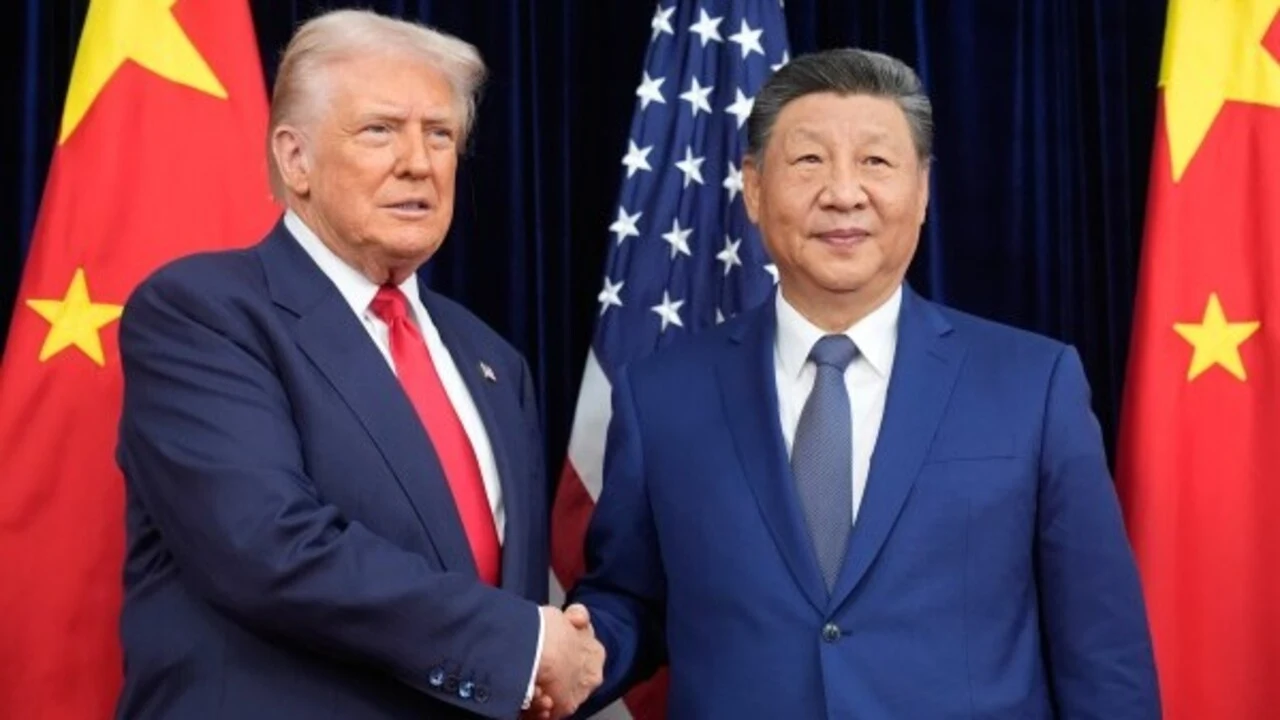
Washington: Chinese President Xi Jinping and US President Donald Trump are set to meet in Washington on September 24, with trade and economic relations expected to dominate discussions between the leaders of the worlds two major powers. The meeting comes at a time when tensions between Washington and Beijing remain over trade, technology, critical minerals, Taiwan and other geopolitical issues. At the same time, Chinas export sector has continued to perform strongly despite years of pressure from US tariffs and restrictions. The upcoming talks could determine whether the existing trade truce between the two countries is extended and whether both sides can prevent another escalation in their economic dispute.
Trade Likely to Dominate the Summit
One of the most important issues before Xi and Trump will be the future of the existing US-China trade arrangement. The temporary understanding reached between the two countries last year helped ease fears of another major tariff confrontation. However, that arrangement is approaching a new deadline, making the September 24 meeting particularly important for both governments. Washington has been pushing Beijing to increase purchases of American goods, while China has sought relief from tariffs and greater flexibility over restrictions affecting Chinese companies and technology. Whether the two sides can maintain the current period of relative stability could have consequences far beyond the US and China.
Chinas Exports Continue to Provide Strength
Despite pressure from American trade measures, Chinas export sector has remained a major source of economic strength. Chinese manufacturers continue to supply products to markets across Asia, Europe, Africa and other regions. The resilience of exports has helped Beijing maintain an important position in global trade even as domestic demand has faced difficulties. China is also dealing with challenges including weaker consumer demand and a prolonged property-sector slowdown. Nevertheless, its manufacturing and export capacity remains a major factor in its economic relationship with the United States.
Will the Trade War Return?
The possibility of renewed tariff tensions will be closely watched during the summit. The US and China have previously imposed significant tariffs on each others products, creating uncertainty for businesses and putting pressure on global supply chains. The subsequent trade truce helped prevent an immediate return to a full-scale tariff confrontation. Now, both sides face the question of whether to extend that arrangement or allow some of the earlier tensions to return. Analysts expect negotiations to focus on practical economic issues rather than producing a comprehensive settlement of every disagreement between Washington and Beijing.
Rare Earths and Critical Minerals on the Agenda
Another major issue is expected to be rare earth elements and other critical minerals. These materials are essential for several industries, including electric vehicles, advanced electronics, renewable-energy equipment, semiconductors and defence technology. China plays a major role in the global processing and supply of many of these materials. The United States, meanwhile, has been working to reduce vulnerabilities in its supply chains. Washington is seeking reliable access to critical materials, while Beijing has its own concerns over US restrictions on advanced technology and semiconductor exports.
Technology and AI Competition
The growing competition between the United States and China in artificial intelligence and advanced technology is another potential area of discussion. Both countries are competing over AI development, advanced chips, computing infrastructure and other strategic technologies. US restrictions on the export of advanced semiconductor technology to China have become a major source of tension. Beijing has repeatedly criticised what it sees as attempts to restrict its technological development. The two leaders could discuss ways to manage technological competition while preventing it from turning into a broader economic confrontation.
Taiwan Remains a Sensitive Issue
Although trade is expected to receive significant attention, Taiwan remains one of the most sensitive subjects in US-China relations. Beijing considers Taiwan part of China and has repeatedly opposed moves it views as supporting Taiwanese independence. Washington maintains strong unofficial relations with Taipei and provides defensive support to the island. Any discussion involving Taiwan is therefore likely to require careful diplomacy from both sides. The issue could become particularly sensitive if the leaders discuss US arms sales to Taiwan or Washingtons broader approach to security in the Indo-Pacific.
Iran Could Add Another Layer to the Talks
The conflict involving Iran could also feature in discussions between Trump and Xi. China has important economic and energy ties with Iran, while Washington has sought greater international pressure on Tehran. Beijings position on the conflict may therefore become another point of discussion between the American and Chinese leaders. However, the issue is separate from the core economic negotiations and could add another layer of complexity to an already wide-ranging summit.
What to Expect From the Xi-Trump Meeting
The September 24 meeting will be closely watched by governments, businesses and financial markets around the world. The outcome could influence the future of US-China tariffs, critical-mineral supplies, technology restrictions and global supply chains. A major breakthrough is not guaranteed. Instead, the two sides may focus on keeping existing trade tensions under control and finding limited areas where cooperation remains possible. For Xi Jinping, maintaining stable access to global markets while protecting Chinas strategic interests will remain important. For Trump, the talks provide an opportunity to address trade concerns while avoiding a new disruption to the global economy.