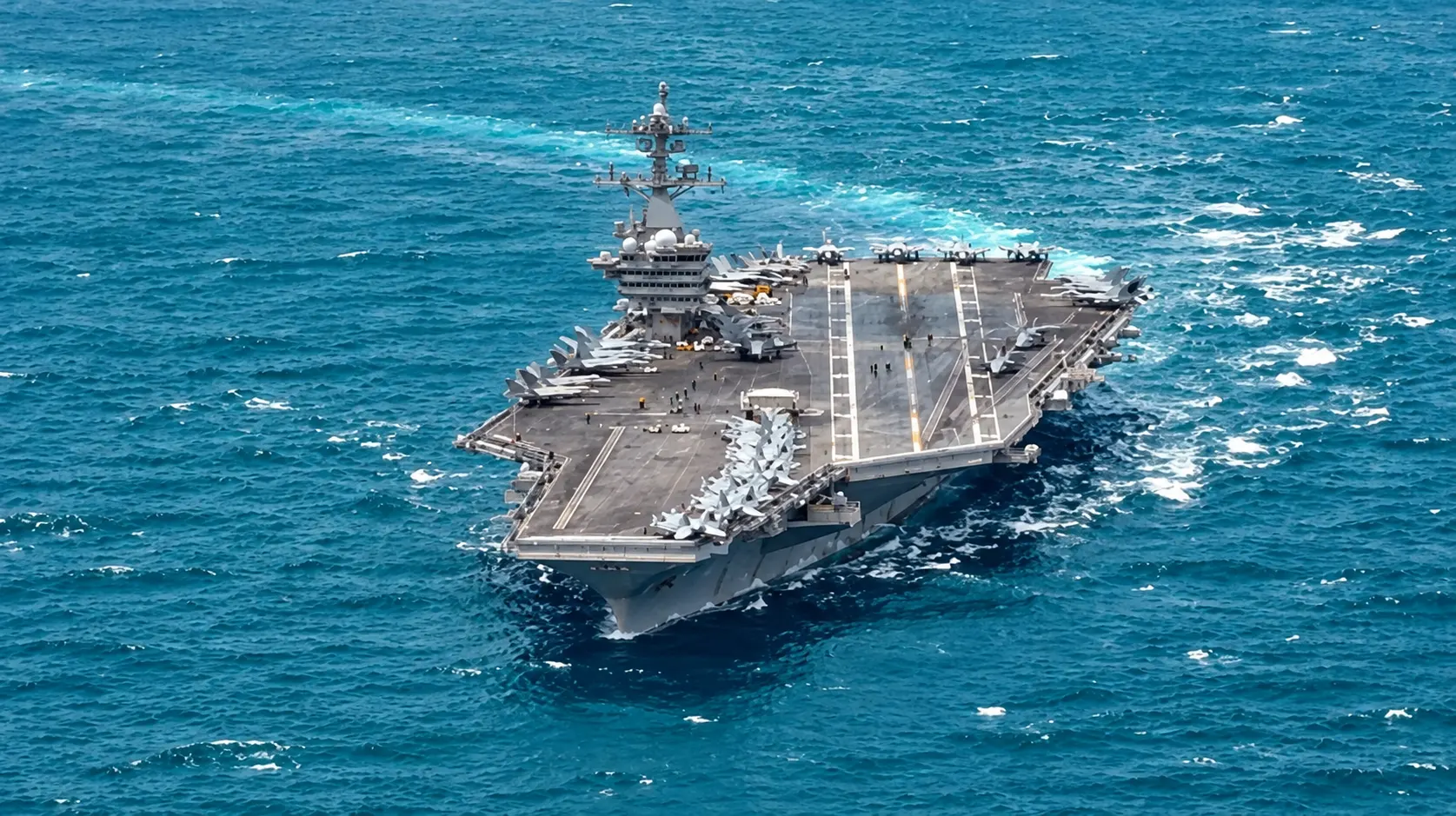
Washington: Eight US service members assigned to the USS Abraham Lincoln carrier strike group attempted suicide during the group's extended deployment in the Middle East, according to information provided by the US Navy to Congress. Acting Navy Secretary Hung Cao disclosed the figure in a written response to questions from Senator Kirsten Gillibrand concerning the morale and mental health of personnel serving with the carrier strike group. The Navy also confirmed that no service member died by suicide during the deployment.
Eight Attempts Recorded Across the Strike Group
The figure of eight does not refer exclusively to sailors serving aboard the USS Abraham Lincoln aircraft carrier. The Navy's count covers personnel across the wider carrier strike group, including sailors assigned to the carrier, its air wing and supporting units. The distinction is significant because headlines describing all eight incidents as occurring "on the USS Abraham Lincoln" could give the impression that every case took place aboard the carrier itself. The carrier strike group included thousands of US Navy personnel during its deployment.
One Sailor Went Overboard in August
The Navy's response provided details about some of the incidents. In one case, a sailor assigned to an aviation unit went overboard from the ship in early August. A search-and-rescue helicopter located and recovered the sailor, who was subsequently removed from the ship for further medical care and follow-up. In another incident in March, a sailor attempted to go overboard but was stopped by fellow crew members before leaving the ship. The sailor was later returned to the homeport. The Navy has not publicly released detailed information about all eight cases.
Extended Deployment Raises Mental Health Concerns
The disclosure comes amid growing attention to the unusually long deployment of the Abraham Lincoln carrier strike group. The group spent more than 260 days deployed in the Middle East, supporting US military operations involving Iran. The prolonged time away from home has generated concerns among some military families and lawmakers about the physical and psychological strain placed on sailors. According to reports, thousands of personnel were part of the Lincoln strike group during the deployment. Long periods at sea can mean limited contact with family, demanding work schedules and little opportunity for sailors to leave the ship. Those pressures have become a particular focus as questions about the crew's wellbeing have intensified.
Reports Also Raised Questions About Living Conditions
The suicide-attempt figures emerged after reports in the United States raised concerns about conditions aboard the carrier. Military families and lawmakers had previously voiced concerns about mental health issues, food availability and hygiene during the extended deployment. Those reports prompted calls for greater scrutiny of how sailors were being supported during a deployment that lasted significantly longer than a conventional carrier rotation. However, the Navy has disputed the suggestion that there has been a broader increase in suicidal behavior aboard the ship.
Navy Says Mental Health Support Is Available
In an earlier response to CNN, the Navy said it had not observed an increase in suicidal thoughts or attempts aboard the carrier. The service said it takes the wellbeing of its personnel seriously and has medical, mental health and religious professionals available to help service members experiencing difficulties. The Navy's latest response to Congress also confirms that while eight attempts occurred across the strike group, there were no suicides during the deployment.
Some Incidents Overlapped With Iran Combat Operations
The timing of the incidents has also drawn attention because some of the reported suicide attempts occurred during the period when the carrier strike group was supporting combat operations involving Iran. The overall figure, however, covers the broader deployment rather than only the period of active combat. That distinction is important when assessing the circumstances surrounding the cases and the pressures faced by sailors.
Questions Over Long-Term Deployments
The disclosure has renewed discussion in Washington about the impact of extended deployments on military personnel. For sailors aboard aircraft carriers and supporting vessels, prolonged deployments can involve months away from home while operating under demanding conditions. The Abraham Lincoln's unusually long time at sea has therefore become a focal point for questions about crew welfare and readiness. Lawmakers are expected to continue seeking information about the circumstances surrounding the eight attempts, the support provided to affected personnel and whether additional measures are needed during future extended deployments.