Trumps Marine One Sparks Mid-Air Safety Investigation Near Washington Airport, FAA and NTSB Launch Probe
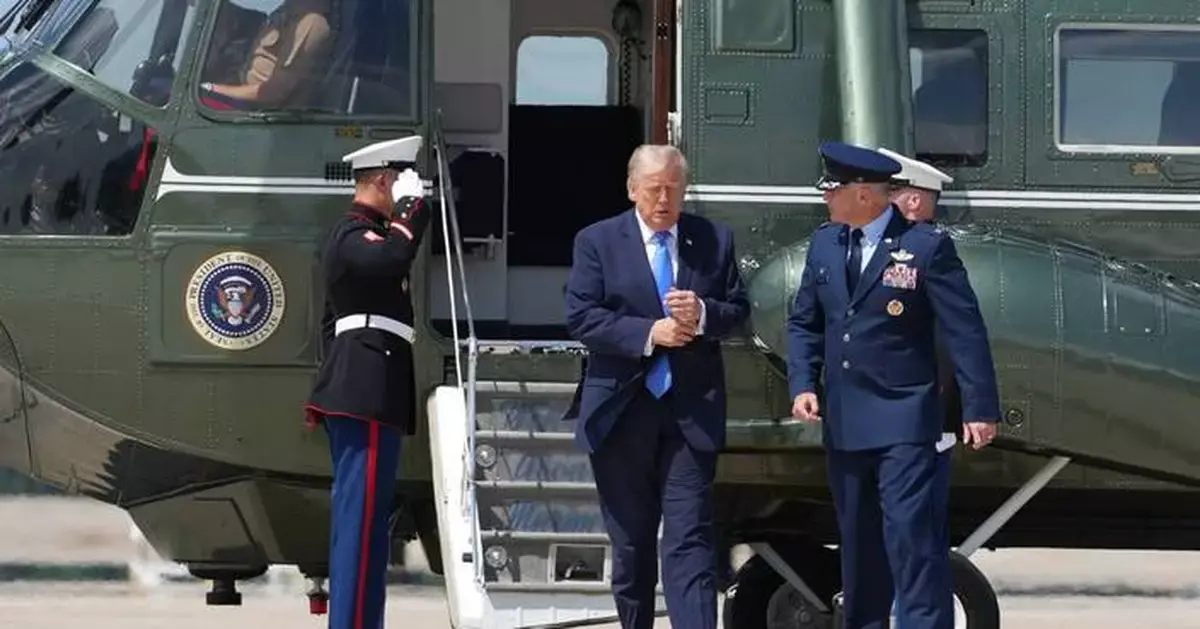
A routine presidential helicopter flight has triggered a federal aviation investigation after Marine One, the helicopter carrying US President Donald Trump, reportedly came unusually close to a commercial passenger aircraft over Washington, D.C. The event has rekindled worries about airspace safety at one of America's busiest and most sensitive airports, despite officials' insistence that the president was never in danger. The event occurred on Tuesday afternoon as Marine One departed the White House en route to Andrews Air Force Base, where President Trump was scheduled to board Air Force One for a trip to California. Around the same time, an American Airlines regional flight was taking off from Ronald Reagan Washington National Airport, leading to what aviation authorities describe as a "loss of separation" between the two aircraft. The incident has now become the focus of investigations by the Federal Aviation Administration (FAA) and the National Transportation Safety Board (NTSB).
What Happened During the Flight?
According to preliminary information, Marine One and the commercial aircraft were operating in the same airspace shortly after 2:30 p.m. local time. Initial reports suggest that communication difficulties between pilots and air traffic controllers may have contributed to the aircraft coming closer than standard aviation rules permit. Aviation officials are reviewing radar data, cockpit communications, and air traffic control recordings to determine exactly how the situation unfolded. Although several reports described the event as a potential near miss, officials have emphasized that both aircraft remained under the supervision of air traffic controllers throughout the flight.No injuries were reported, and both flights continued safely to their destinations.
FAA and NTSB Begin Formal Investigation
The National Transportation Safety Board (NTSB) has officially confirmed that it is investigating the incident. A "loss of separation event," which happens when two aircraft go closer than the minimum distance mandated by federal aviation safety regulations, is being investigated by authorities.
Investigators will focus on several key questions, including:
- Whether established separation standards were maintained.
- Whether communication problems affected flight operations.
- How air traffic controllers managed both aircraft.
- Whether additional safety measures are necessary for future presidential flights.
The FAA has also launched its own review and stated that controllers maintained communication with both the Marine One crew and the American Airlines pilots during the incident. Officials say the findings will determine whether any procedural changes are required.
White House: President Trump Was Never in Danger
The White House has strongly rejected suggestions that President Donald Trump faced any immediate risk. A White House spokesperson stated that Marine One is operated by highly trained military aviators with extensive experience handling presidential transport missions.
Officials stressed that:
- The president remained safe throughout the flight.
- The helicopter crew followed established procedures.
- Air traffic controllers maintained contact with both aircraft.
- Investigations are precautionary and part of standard aviation safety protocols.
The administration also emphasized that it would cooperate fully with federal investigators.
Marine Corps Rejects Near-Miss Claims
The US Marine Corps, which operates Marine One, also defended the helicopter crew. Military officials stated there was no dangerous encounter during the presidential flight and rejected characterizations describing the event as a serious near-collision.
According to Marine Corps representatives:
- The helicopter's flight path remained routine.
- Air traffic controllers did not instruct the crew to alter its route.
- No emergency action was required.
- The mission proceeded normally from departure to landing.
Officials cautioned against drawing conclusions before investigators complete their review.
What Is a "Loss of Separation" in Aviation?
A loss of separation does not automatically mean that two aircraft were seconds away from colliding. Instead, it refers to a situation where aircraft come closer than the minimum safety distances established by aviation regulations. Under standard FAA operating procedures, aircraft are generally expected to maintain safe horizontal and vertical spacing to reduce collision risks and provide pilots with sufficient reaction time. When those standards are not met, investigators review the circumstances even if there is no actual danger or evasive maneuver. Such investigations help identify operational weaknesses before they lead to more serious incidents.
Increased Focus on Washington Airspace Safety
The incident comes at a time when aviation safety around Washington, D.C., is receiving heightened attention. Following the devastating military-civilian aircraft collision near the capital in early 2025, regulators introduced stricter monitoring procedures, enhanced coordination between military and civilian aviation authorities, and additional oversight for flights operating around Ronald Reagan Washington National Airport. The latest investigation is expected to evaluate whether current procedures remain sufficient, particularly during presidential helicopter movements that require temporary airspace coordination. Because Washington hosts frequent government, military, commercial, and VIP flights, managing air traffic safely remains one of the country's most complex aviation challenges.
Communication Issues Under Scrutiny
One important area of the investigation involves communication between military flight operations and civilian air traffic controllers. Previous aviation safety hearings revealed that communication infrastructure connecting military facilities and civilian control towers had experienced operational problems in past years. Investigators are now examining whether communication quality, coordination procedures, or timing contributed to Tuesday's loss of separation event. Officials have not yet indicated whether equipment malfunction, human error, or operational complexity played any role.
American Airlines Flight Continued Normally
The commercial aircraft involved was an American Airlines regional flight operated by Envoy Air. Despite the reported proximity to Marine One, the aircraft completed its departure safely and continued its scheduled route without incident. Passengers onboard were not informed of any emergency during the flight, and no operational issues affecting the aircraft have been reported. American Airlines has not publicly commented in detail while federal investigators continue reviewing the event.
What Happens Next?
Federal investigators will analyze:
- Radar tracking information
- Air traffic control recordings
- Pilot communications
- Flight path data
- Weather conditions
- Standard operating procedures
The investigation could take several weeks before officials release a final report. If investigators identify procedural weaknesses, recommendations could include updated coordination protocols between military and civilian controllers, revised presidential flight procedures, or additional training measures. At present, authorities have not reported any violations or assigned responsibility.
Why This Investigation Matters
Although officials insist President Donald Trump was never in danger, every aviation safety event involving presidential transport receives intense scrutiny. Investigations into loss of separation incidents are designed to improve aviation safety, strengthen coordination among agencies, and prevent future risks rather than assign blame prematurely. As the FAA and NTSB continue gathering evidence, aviation experts say the findings may contribute to further improvements in managing the increasingly complex airspace surrounding the US capital. For now, both federal agencies maintain that the review is ongoing, and conclusions will only be reached after a comprehensive analysis of all available flight data.