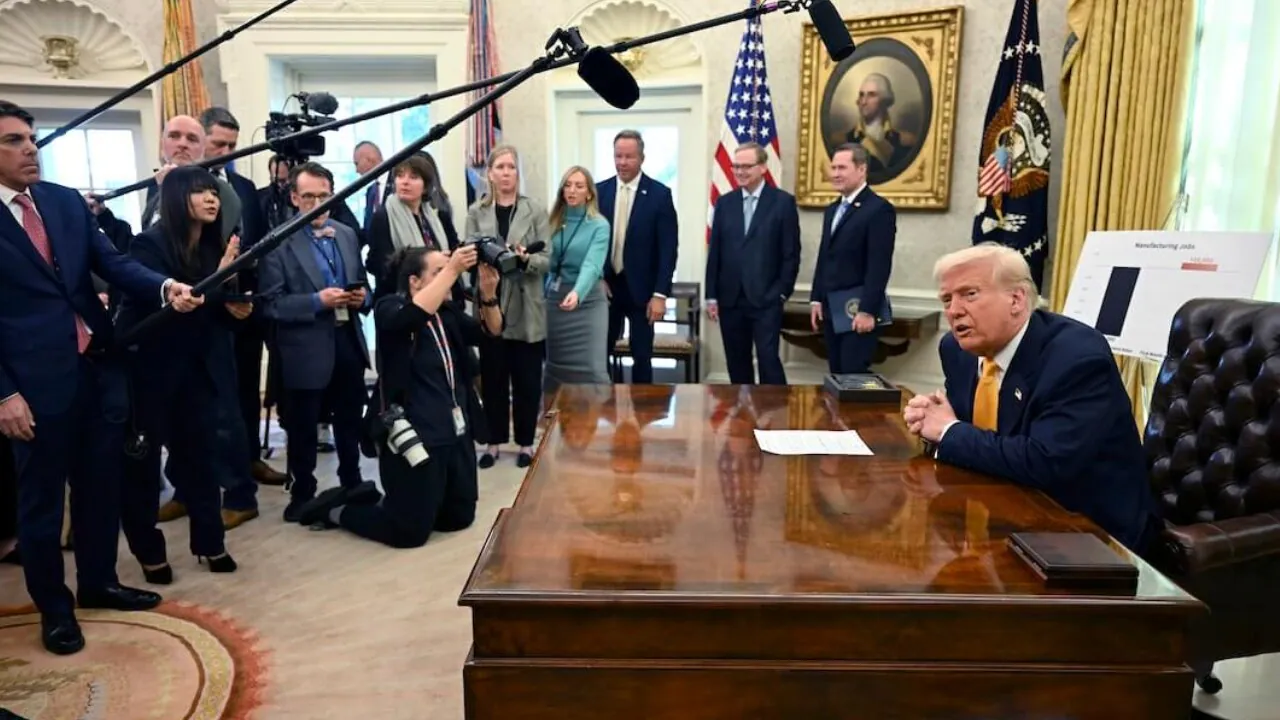
A US federal judge has temporarily blocked the Trump administration from keeping three major news organizations out of the White House, ordering the restoration of press access for journalists working with CNN, MS NOW and Politico. U.S. District Judge Timothy Kelly issued the order on Thursday, September 24, after the three organizations challenged the administration's decision to revoke their White House access. The judge said the media ban was likely unconstitutional and directed the administration to return the journalists' press credentials while the legal dispute continues. The ruling marks a significant development in the ongoing dispute between President Donald Trump and several major American news organizations. The case centers on whether the White House can remove journalists from its press operations because of disagreements with their reporting.
Judge orders immediate restoration of press access
Under Judge Kelly's order, CNN, MS NOW and Politico journalists must regain access to the White House. The temporary order is set to remain in place for 14 days, giving the court time to consider the wider legal issues surrounding the dispute. The judge also questioned the administration's argument that national security concerns justified the restrictions. According to the ruling, the government had not provided sufficient factual support showing that restoring the outlets' access would create a national security risk. Kelly also noted that President Trump had publicly linked the decision to his criticism of the organizations' reporting.
Why did Trump ban the three news outlets?
The dispute began on September 18, when Trump announced that CNN, MS NOW and Politico would no longer have access to the White House. Trump accused the outlets of producing what he described as false and negative coverage. In public statements, he argued that the White House should not be required to provide access to organizations whose reporting he considers inaccurate. The administration subsequently defended the decision on national security grounds and argued that access to the White House is a privilege rather than an automatic entitlement. The three news organizations rejected that reasoning and challenged the decision in federal court.
Media organizations filed lawsuit
CNN, MS NOW and Politico filed their lawsuit on September 21. They argued that the administration's action violated constitutional protections for freedom of the press under the First Amendment and due process protections under the Fifth Amendment. The organizations also argued that their journalists were removed from the White House without adequate advance notice or a meaningful opportunity to challenge the decision. Their legal challenge asked the court to immediately restore access while the broader case moves forward. The case was assigned to Judge Timothy Kelly, a Trump-appointed federal judge who previously handled a dispute involving CNN reporter Jim Acosta's White House press credentials in 2018.
Court focuses on due process
During Wednesday's hearing, Kelly questioned whether the administration had followed the required legal procedures before revoking the journalists' access. The judge indicated that previous decisions from the US Court of Appeals for the District of Columbia Circuit established that journalists could be entitled to due process before their White House press credentials are withdrawn. A Justice Department lawyer argued that the administration had subsequently provided explanations for the decision in letters sent to the affected organizations. However, Kelly questioned the timing of those explanations because the letters were issued after the credentials had already been revoked and after the lawsuit had been filed. The judge's concerns about procedure became an important part of the legal dispute.
Government cites White House access as a privilege
The Trump administration has maintained that White House access is a privilege and that the president has broad authority to determine which news organizations receive access. In its legal filings, the Justice Department argued that the White House had legitimate grounds for restricting the three outlets. The administration's position is being challenged by the news organizations, which argue that government officials cannot selectively remove journalists because they disagree with the substance or tone of their reporting. The court will ultimately have to examine the constitutional and procedural questions raised by both sides.
Press freedom groups support the news outlets
The dispute has attracted attention from press-freedom organizations and other news companies. A coalition of journalism organizations and major news outlets submitted a legal brief supporting CNN, MS NOW and Politico. They argued that government action against journalists based on editorial viewpoints raises serious First Amendment concerns. Other major US television networks also became involved in the dispute after the White House press restrictions affected the traditional television press pool. The press pool plays an important role in covering presidential events when the number of journalists or available space is limited.
What happens next?
Thursday's order does not permanently resolve the dispute between the Trump administration and the three media organizations. The immediate effect is to restore their White House access while the legal proceedings continue. The administration may challenge the ruling through the appeals process. The court will eventually have to consider whether the government's reasons for removing the journalists were legally sufficient and whether the process used to revoke their credentials complied with constitutional requirements. For now, the Trump White House media ban has been temporarily blocked, allowing journalists from CNN, MS NOW and Politico to return to White House coverage. The case is being closely watched because its outcome could have broader implications for the relationship between government officials and the press. It could also help clarify the legal limits on presidential control over access to the White House press operation. As the legal battle continues, the central question remains whether the government can restrict access to journalists based on its objections to their reporting, or whether constitutional protections require a different standard and process.