Trump Halts Planned Strike on Iran, Says Nuclear Deal Is Within Reach
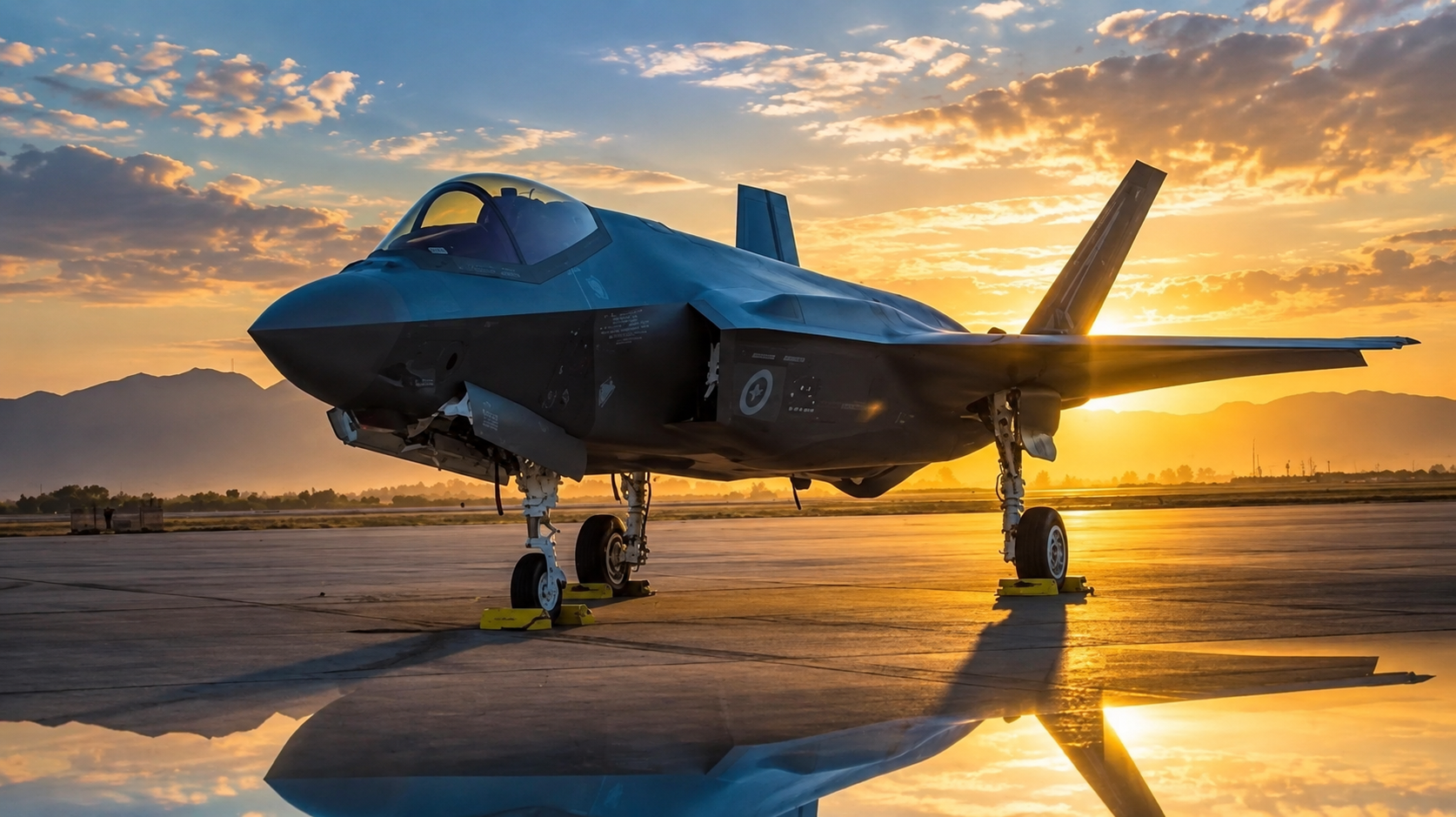
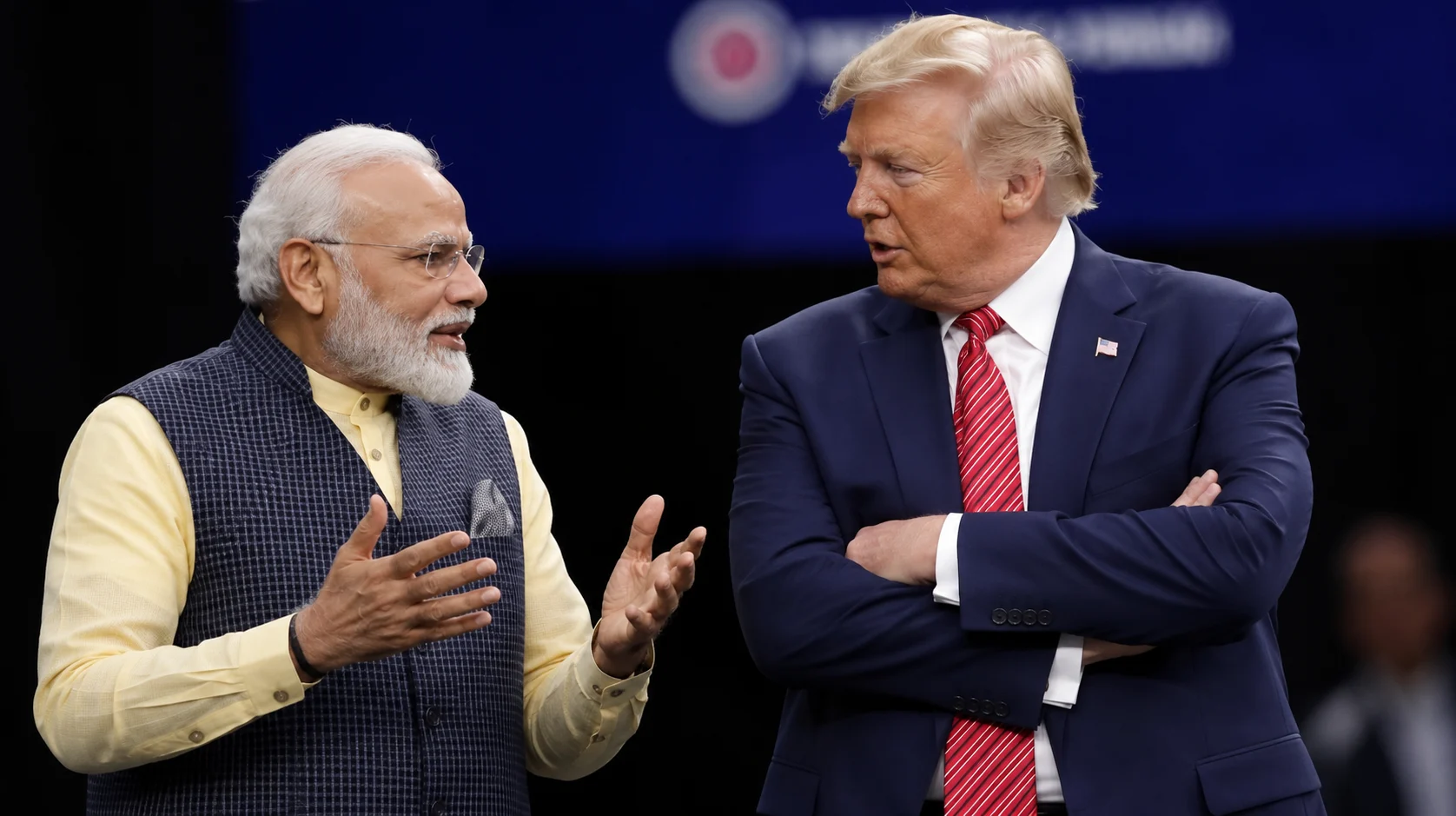
US President Donald Trump has disclosed that he decided to postpone a planned military strike on Iran after negotiators made great progress toward a potential accord, a development that could drastically alter the Middle East's geopolitical landscape. The announcement has sparked global attention, with analysts viewing it as a sign that diplomacy may once again be taking precedence over military confrontation. The decision is made at a time when tensions over Iran's nuclear program, regional security, and sanctions are still quite high between Washington and Tehran. While Trump's statement has generated cautious optimism internationally, it has also created uncertainty within Iran, where officials and citizens alike remain skeptical about the long-term intentions of the United States.
Trump Says Diplomacy Is Taking Priority
Speaking about the latest developments, President Trump indicated that military action was being considered but was ultimately suspended because negotiations had reached what he described as the "parameters of a deal."According to Trump, both sides have made enough progress to justify continuing diplomatic efforts instead of escalating the situation. His comments indicated that talks are heading in a positive direction, even though he did not reveal any specifics of the proposed agreement. The announcement indicates a major shift from recent weeks, when rumors about probable US military action against Iran had grown amidst escalating regional tensions.
Why the Planned Strike Was Called Off
The military operation's apparent cancellation seems to be related to continuing diplomatic discussions about Iran's nuclear program as well as more general regional security issues.
Several factors may have influenced the decision:
- Progress in diplomatic negotiations.
- Concerns about the humanitarian and economic consequences of military conflict.
- Pressure from international partners to avoid escalation.
- The desire to maintain stability in the Middle East.
- Potential impact on global energy markets.
Military experts note that avoiding direct confrontation reduces the immediate risk of a wider regional conflict involving multiple countries.
Iran Responds With Cautious Optimism
Inside Iran, reactions to Trump's announcement have been mixed. Government officials have largely maintained a cautious approach, emphasizing that any agreement must protect Iran's national interests and respect its sovereignty. Iranian leaders have repeatedly stated that negotiations should be based on mutual commitments rather than unilateral pressure. Among ordinary citizens, opinions remain divided. While many welcome any step that reduces the likelihood of war, others remain uncertain due to the long history of strained relations between Tehran and Washington. Years of sanctions, diplomatic disputes, and changing US policies have contributed to widespread skepticism regarding future agreements.
Diplomatic Talks Gain Fresh Momentum
The latest announcement has renewed hopes that negotiations could eventually produce a broader understanding between the two countries.
International observers believe recent discussions have focused on several key issues:
- Iran's nuclear activities.
- International inspections.
- Economic sanctions.
- Regional security.
- Confidence-building measures.
Although negotiators have reportedly made progress, significant differences remain before any final agreement can be reached.
Diplomatic sources continue to stress that negotiations are complex and require careful balancing of political and security interests on both sides.
Impact on Global Oil Markets
The possibility of avoiding military conflict has also attracted attention from global financial markets. The Middle East remains one of the world's most important energy-producing regions, and any military confrontation involving Iran has the potential to disrupt oil exports through the Strait of Hormuz, a critical shipping route for global energy supplies. Analysts say that Trump's announcement may help stabilize investor sentiment in the short term by reducing fears of immediate military escalation. However, markets are expected to remain sensitive to future developments until a formal agreement is reached.
What This Means for US-Iran Relations
Relations between the United States and Iran have experienced decades of political tension, economic sanctions, and periodic military confrontations. If negotiations continue successfully, the cancellation of the planned strike could become an important turning point in bilateral relations.
Experts believe that continued dialogue could open the door to:
- Reduced regional tensions.
- Expanded diplomatic engagement.
- Greater economic stability.
- Lower security risks across the Middle East.
- Improved international cooperation.
Nevertheless, both governments continue to face domestic political pressures that may influence future negotiations.
Challenges Still Remain
Despite the optimistic tone of Trump's announcement, major obstacles continue to stand in the way of a comprehensive agreement.
Key unresolved issues include:
Nuclear Commitments
Negotiators must agree on acceptable limits to Iran's nuclear programme while addressing Tehran's demand for recognition of its peaceful nuclear rights.
Sanctions Relief
Iran continues to seek meaningful economic relief from international sanctions that have affected trade, investment, and domestic economic growth.
Regional Security
Security concerns involving regional allies, proxy groups, and military activities remain among the most sensitive issues in negotiations.
Mutual Trust
Perhaps the greatest challenge is rebuilding trust after years of diplomatic breakdowns and policy reversals.
Both countries will need confidence that future commitments will be honoured.
International Community Welcomes Diplomatic Progress
Several countries have consistently encouraged peaceful negotiations over military confrontation. International observers argue that sustained diplomacy offers the best opportunity to prevent instability across the Middle East while reducing the risks associated with armed conflict. Global leaders are expected to continue supporting negotiations through diplomatic channels in the coming weeks.
What Happens Next?
While Trump's announcement has reduced immediate fears of military action, the future depends largely on the success of ongoing negotiations.
Observers will closely watch for:
- Further diplomatic meetings.
- Official statements from both governments.
- Progress on sanctions discussions.
- Developments regarding nuclear commitments.
- Reactions from regional allies.
The coming weeks are likely to determine whether the current diplomatic momentum results in a formal agreement or whether tensions once again begin to rise.
President Donald Trump's decision to halt a planned strike on Iran has shifted international attention from military confrontation to diplomatic negotiations. His statement that the two sides are approaching the framework of an agreement has raised hopes for a peaceful resolution, although significant challenges remain before any final deal can be achieved. For now, diplomacy appears to have gained the upper hand, offering both nationsand the wider international communitya valuable opportunity to reduce tensions and pursue long-term regional stability. Whether this momentum leads to a lasting agreement will depend on continued negotiations, mutual trust, and political commitment from both Washington and Tehran.