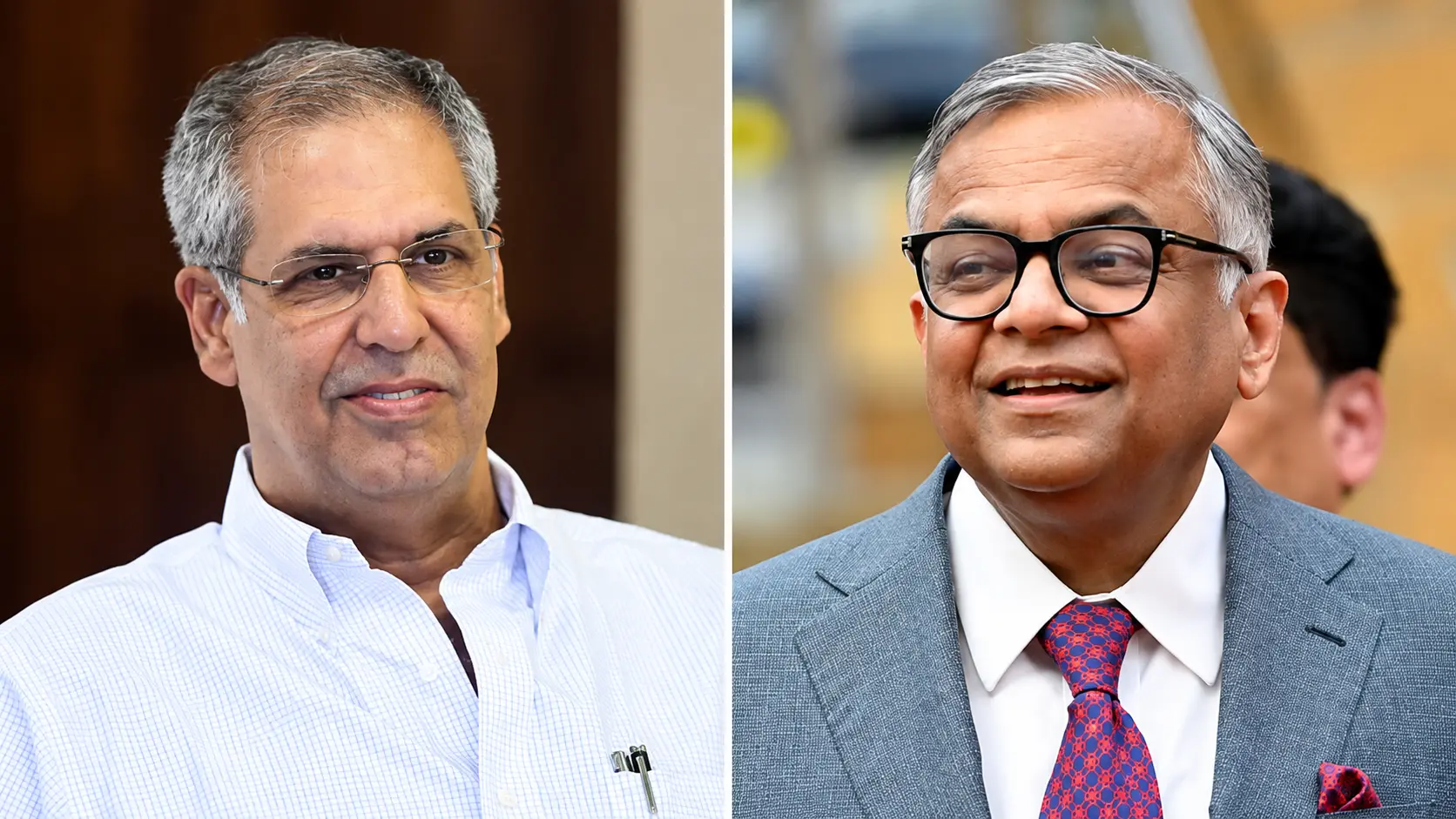
Mumbai: One of India's most influential business groups is facing an unusually public governance dispute after the board of Tata Sons approved a fresh five-year term for chairman N Chandrasekaran and decided to begin steps toward complying with the Reserve Bank of India's listing requirements. The decisions have brought Tata Sons and Tata Trusts, its controlling shareholder, into direct conflict over leadership, corporate governance and the future ownership structure of the group. The latest developments have placed the Tata Sons IPO at the centre of attention. Tata Trusts, which holds about 66% of Tata Sons, has opposed the board's decision on both Chandrasekaran's reappointment and the proposed listing. The Trusts have described the chairman's reappointment resolution as legally invalid under Tata Sons' Articles of Association. The dispute is now likely to remain an important corporate story through the coming months, with questions surrounding the company's board, shareholder rights, regulatory obligations and the future direction of the Tata Group.
Tata Sons Board Approves Five-Year Extension for Chandrasekaran
The Tata Sons board approved a further five-year term for N Chandrasekaran on September 17, 2026. The decision came after an unusual sequence of events. Chandrasekaran had previously indicated that he would not seek another term after the conclusion of his existing tenure on February 20, 2027. According to Tata Sons, its Nomination and Remuneration Committee subsequently asked him to reconsider that decision and recommended his reappointment. He then agreed to reconsider, and the board approved the fresh term by majority vote. However, Tata Trusts chairman Noel Tata opposed the resolution. The disagreement is significant because Tata Trusts is the largest shareholder in Tata Sons and has historically played a central role in the governance structure of the group. Tata Trusts subsequently said that the resolution was a "legal nullity", arguing that the Articles of Association require the support of the Trusts' nominee directors for the appointment or reappointment of the Tata Sons chairman. This has transformed what initially appeared to be a succession question into a broader Tata Group crisis involving governance and shareholder authority.
Why Tata Trusts Is Challenging the Reappointment
The Trusts' objection goes beyond disagreement with Chandrasekaran's leadership. In its September 17 statement, Tata Trusts said Chandrasekaran had informed the Tata Sons board on August 12 that he would not offer himself for another term. The Trusts said it accepted that decision and began expecting a succession process. The Trusts now argue that the subsequent attempt to reverse that decision could not validly bypass provisions contained in Tata Sons' Articles of Association. According to their position, both Trust-nominated directors need to participate in and support a chairman appointment or reappointment resolution. Noel Tata voted against Chandrasekaran's reappointment. The Tata Sons board, however, proceeded with the resolution by majority vote. This difference in interpretation is likely to become a central issue if the dispute moves into formal legal proceedings. Importantly, the claims about the validity of the resolution are currently positions taken by the respective sides. A definitive legal determination would have to come through the appropriate legal or regulatory process.
Tata Sons IPO Becomes Another Major Flashpoint
Leadership is only one part of the dispute. The other major issue is the potential Tata Sons IPO. The Reserve Bank of India classified Tata Sons as an "upper layer" non-banking financial company under its regulatory framework in 2022. Companies falling within that category face enhanced regulatory requirements, including a requirement related to stock-market listing. Tata Sons had sought deregistration from the relevant framework. However, the RBI rejected its application in September 2026, bringing the listing question back into sharp focus. Following the board meeting, Tata Sons said it would initiate steps to comply with applicable RBI requirements and seek guidance from the regulator, Tata Trusts and other stakeholders. That decision is particularly important because Tata Trusts has historically opposed listing Tata Sons. The RBI has also filed a caveat in the Bombay High Court concerning any potential challenge to its listing directive. A caveat allows the regulator to seek a hearing before any order is passed in a matter concerning the directive.
What Would a Tata Sons Listing Mean?
A public listing of Tata Sons could significantly change the financial and governance dynamics surrounding the Tata Group.At present, Tata Sons sits at the centre of the group structure and holds stakes in several major Tata companies.A listed Tata Sons would have to operate within the disclosure, reporting and scrutiny requirements applicable to publicly traded companies. Supporters of a listing argue that greater public disclosure could improve transparency around the holding company's finances, capital allocation and major strategic decisions. Opponents have raised concerns that the change could alter the distinctive ownership model that has defined the Tata Group for decades. Tata Trusts' ownership has a philanthropic dimension. Dividends generated through Tata companies support charitable activities associated with the Trusts, including work connected with healthcare, education and research. The concern among opponents is that introducing external shareholders could increase pressure for financial returns and potentially change how capital is allocated within the wider group. That debate makes the proposed Tata Sons IPO much bigger than a conventional public offering.
Tata Trusts' Control Is at the Heart of the Debate
The unusual structure of the Tata Group is one reason the current dispute has attracted such attention. Tata Trusts controls approximately two-thirds of Tata Sons. This gives the charitable trusts significant influence over the holding company and, indirectly, over the wider group. The current disagreement raises a fundamental governance question: how should control be balanced between the majority shareholder, the Tata Sons board and the interests of the wider corporate group? The answer could influence the group's leadership structure for years. The issue is particularly sensitive because the Tata Group operates businesses across automobiles, technology, aviation, consumer products, manufacturing, and other sectors. The group has also undertaken several large strategic investments in recent years, increasing the importance of capital allocation and long-term financial planning.
Air India and Other Big Investments Add Pressure
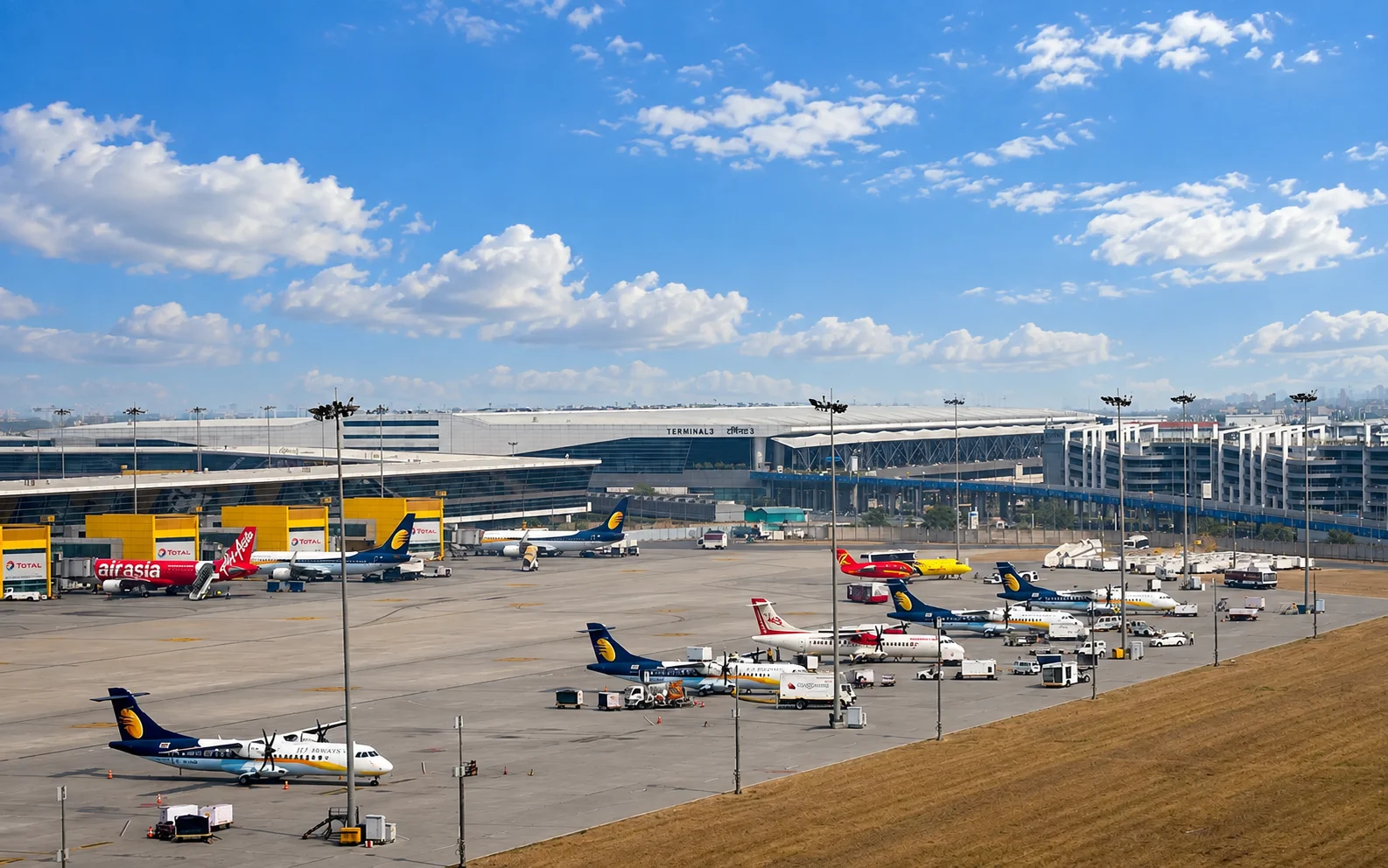
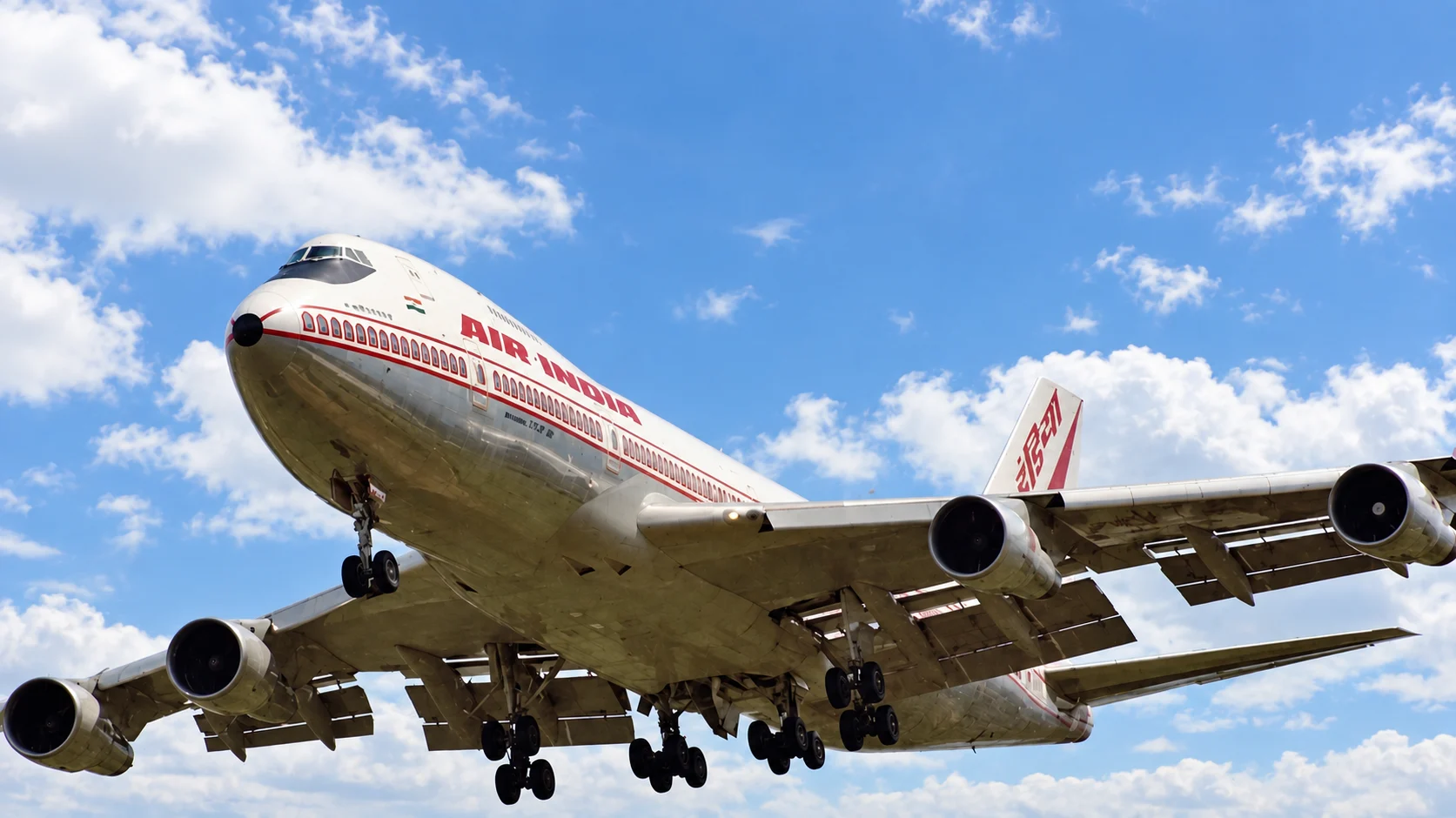
The leadership dispute comes at a time when the Tata Group is managing several ambitious businesses and investments. The group's acquisition and expansion of Air India has required substantial financial and operational commitments. The airline is undergoing a long-term transformation involving fleet expansion, network development, and integration with other aviation assets. The Tata Group has simultaneously expanded its presence in areas such as semiconductor manufacturing, electronics, artificial intelligence and aerospace. Tata companies are also involved in manufacturing iPhones for Apple and have entered partnerships and business relationships in advanced technology and aviation. These initiatives require significant capital and are designed around long-term growth rather than immediate returns. That makes the governance dispute particularly important for investors and other stakeholders because major investment decisions depend on a stable decision-making structure.
Tata Group Stocks React to the Internal Dispute
The developments have also affected investor sentiment around listed Tata companies. Reports on September 18 indicated that several Tata Group stocks declined as investors assessed the implications of the disagreement between Tata Sons and Tata Trusts. The market reaction does not necessarily reflect a direct change in the operating performance of individual Tata companies. Instead, investors are assessing whether the dispute could create uncertainty around governance, leadership and capital allocation. The distinction is important because Tata Sons itself is not the same entity as each publicly listed Tata company. However, because Tata Sons sits at the centre of the group structure, decisions taken at the holding-company level can have wider implications.
Could the Dispute Affect Tata Sons Leadership?
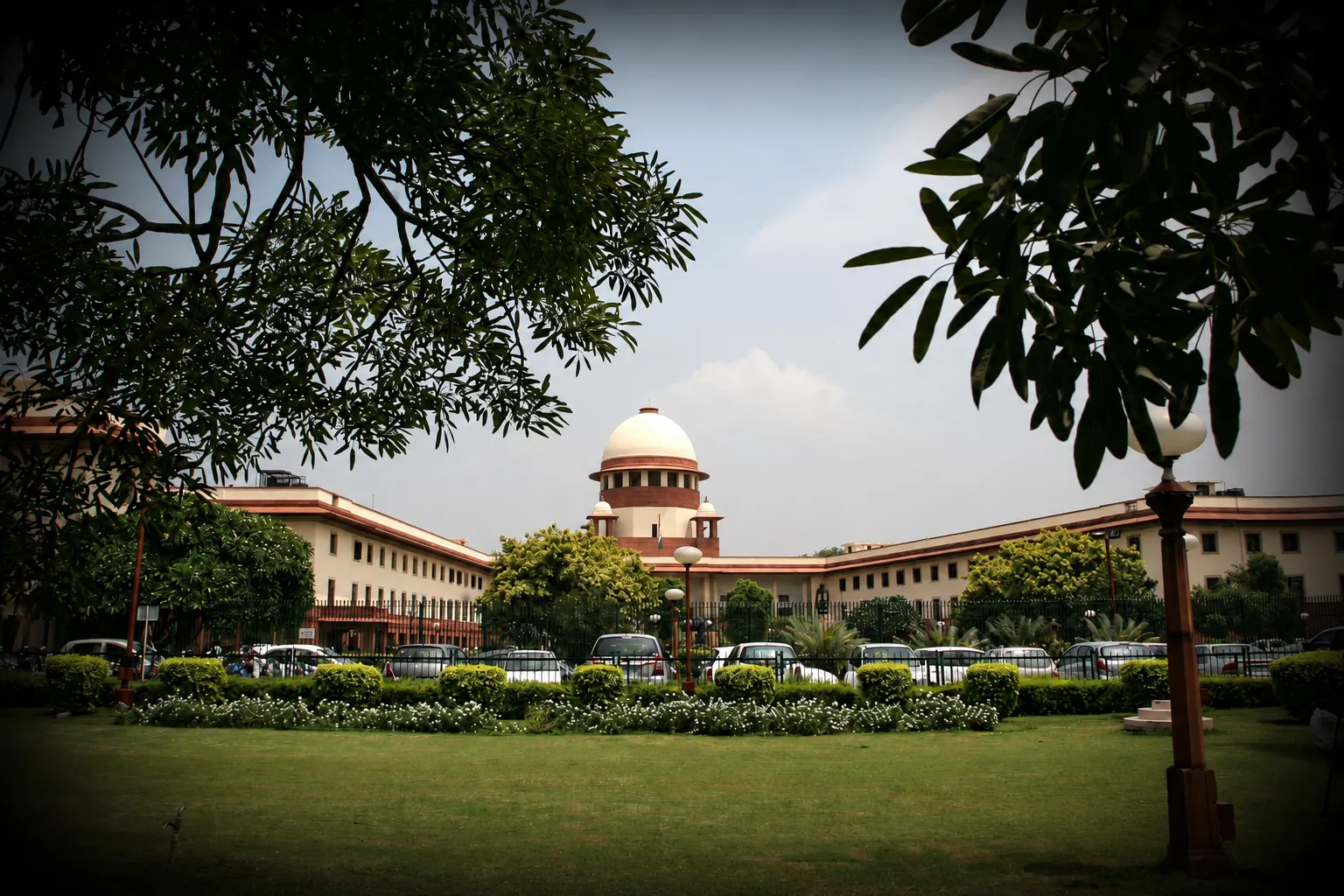
The future of Chandrasekaran's chairmanship is now one of the biggest questions surrounding the group. The board has approved his five-year reappointment, but Tata Trusts disputes the validity of that decision. The company's shareholder process could therefore become important. Reports have indicated that Tata Sons' annual general meeting will be another key point in the dispute. The meeting must be held within the applicable timeframe, while the parties continue to disagree over the chairman's appointment and other governance matters. Whether the disagreement ultimately leads to litigation, negotiation or another governance arrangement remains uncertain. For now, both sides have publicly stated their positions.
Why This Is Different From an Ordinary Corporate Dispute
The Tata Group has experienced boardroom conflicts before, including the highly publicised dispute surrounding Cyrus Mistry several years ago. The current situation is different in one important respect: it combines three major questions at the same time. The first is leadership whether Chandrasekaran should continue beyond his current term. The second is ownership and governance how Tata Trusts' shareholder rights interact with the authority of the Tata Sons board. The third is regulation and listing whether Tata Sons must move toward a public listing under the RBI's regulatory framework. Each issue is significant independently. Together, they have created an unusually complex situation at the centre of India's most recognisable corporate groups.
What Happens Next?
The next stage will likely involve discussions between Tata Sons, Tata Trusts and regulatory authorities. The possibility of legal proceedings also remains important. Tata Trusts has clearly stated its objections to the chairman's reappointment, while the RBI has taken steps to ensure it can participate in any court proceedings concerning its listing directive. At the same time, Tata Sons has indicated that it intends to move forward with compliance with the RBI's applicable requirements. This means the Tata Sons IPO could remain a major business story even as the leadership dispute develops. The eventual outcome may determine not only who leads Tata Sons but also how the group's unique ownership structure interacts with modern corporate governance and regulatory expectations.
Tata Sons Crisis 2026: A Turning Point for the Group
The Tata Group has spent more than a century and a half building a business empire that combines commercial operations with a distinctive philanthropic ownership structure. The present dispute puts that model under unusual pressure. N Chandrasekaran's reappointment, the opposition from Tata Trusts and the RBI's position on listing have brought questions that were previously discussed largely within corporate circles into the public domain. For investors, employees and other stakeholders, the immediate focus will be on the legal validity of the board's decisions, the future of Chandrasekaran, the relationship between Tata Sons and Tata Trusts and the next steps toward regulatory compliance. For the wider Indian corporate sector, the outcome could also become an important example of how a major privately held holding company navigates the intersection of shareholder rights, board authority, regulation and public-market expectations. For now, the Tata Sons crisis of 2026 remains unresolved. What happens next at Bombay House could reshape the governance and ownership framework of one of India's most important business groups.