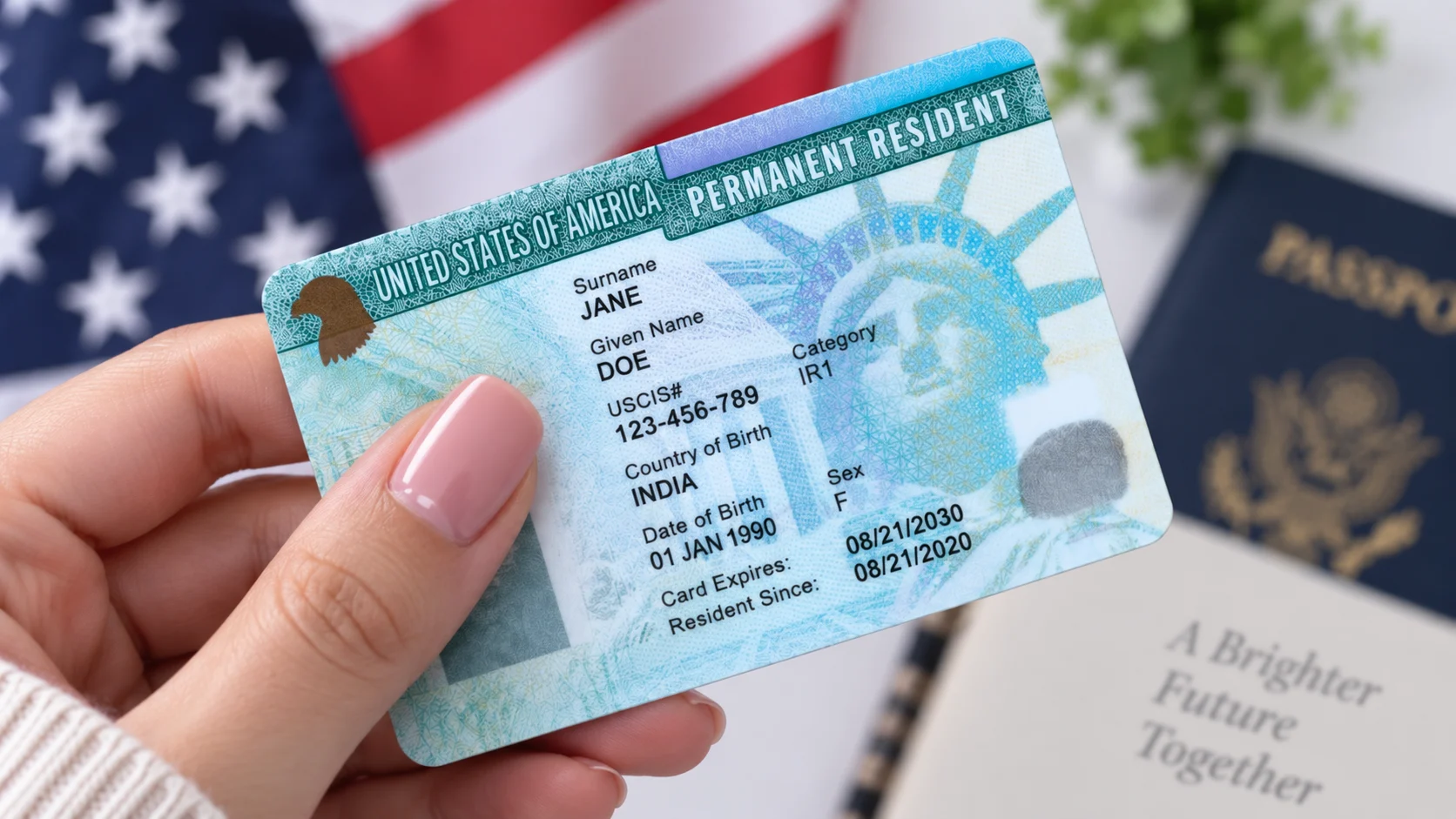
Washington: The US Department of Homeland Security (DHS) has issued a clarification on the immigration status of certain children born in the United States to parents working for foreign governments. Under the revised regulations, some US-born children of foreign government employees who are not US citizens may not automatically be treated as US citizens at birth. Instead, eligible children can have a pathway to register as lawful permanent residents (LPRs), commonly known as Green Card holders. The clarification comes after DHS discovered that certain evidence-related language had been unintentionally left out of the regulatory text when the new rule was initially published.
What Has DHS Changed?
The latest correction restores documentation requirements that were accidentally omitted from the original regulation. DHS has made clear that authorities may require evidence establishing both the child's birth in the United States and the parent's employment with a foreign government at the time of the child's birth. The correction applies retroactively to children born on or after September 4, 2026, which was the effective date of the original rule.
Which Children Are Covered?
The revised regulations concern children born in the United States to certain foreign government employees who are not US citizens. The category is broader than the traditional rules dealing specifically with children of foreign diplomats. It can cover certain employees working for foreign governments in an official capacity as well as some employees of international organisations who have applicable immunity. However, not every person working for a foreign government or foreign mission will necessarily fall within the same legal category. The exact status of the parent at the time of the child's birth remains an important factor in determining whether the special rules apply.
Does This Mean Every US-Born Child Will Get a Green Card?
No. The regulation establishes a specific immigration pathway for children who meet the eligibility requirements. DHS says eligible children can voluntarily register for lawful permanent residence under the relevant provisions. The registration itself is not described as mandatory under this particular provision, although other federal immigration or registration requirements may apply depending on the circumstances. Therefore, the child's individual situation has to be examined based on the parents' citizenship, employment status and the applicable immigration rules.
What Documents May Be Required?
The restoration of the evidentiary language is one of the most significant aspects of the DHS clarification. Applicants may need to submit documents proving that the child was born in the United States. They may also have to establish that one of the parents was employed by a foreign government when the child was born. Additional documentation may be necessary where the parent worked for a foreign government but did not have diplomatic-officer status. This means families covered by the rule may need to maintain clear records of the parent's official employment, position and status at the time of the child's birth.
Foreign Government Employee vs Diplomat
The updated framework makes an important distinction between a traditional foreign diplomatic officer and other foreign government employees. Previously, federal regulations primarily addressed the citizenship status of children born in the United States to foreign diplomatic officers. The revised provisions use broader terminology covering certain foreign government employees, potentially bringing additional categories of official workers within the regulatory framework. However, the broader wording does not mean that every employee of a foreign government automatically falls under the same provisions. Eligibility depends on the specific circumstances and legal classification of the parent's employment.
Why Is the September 4 Date Important?
The correction has a retroactive effect because DHS said the missing evidentiary language was an error in the original codification of the rule. As a result, the restored requirements apply to the relevant children born on or after September 4, 2026. The date is significant for families trying to determine which version of the rules applies to a child's case.
How Is Permanent Residence Different From Citizenship?
A Green Card gives an individual lawful permanent resident status in the United States. It is different from US citizenship. A lawful permanent resident can generally live and work permanently in the US, subject to federal immigration laws. Citizenship, on the other hand, provides additional rights and protections that come with being a US national. The DHS rule therefore creates a potential immigration-status pathway for eligible children rather than simply declaring that every child covered by the regulation is a US citizen.
What Families Should Know
The latest DHS clarification provides greater detail about how certain cases involving US-born children of foreign government employees will be handled. For families potentially affected by the rule, the key issues include the child's US birth, the parent's citizenship, the parent's employment by a foreign government and the parent's official status when the child was born. Because immigration cases can depend on specific facts and documentation, families should carefully review the applicable DHS and USCIS requirements before submitting an application.