
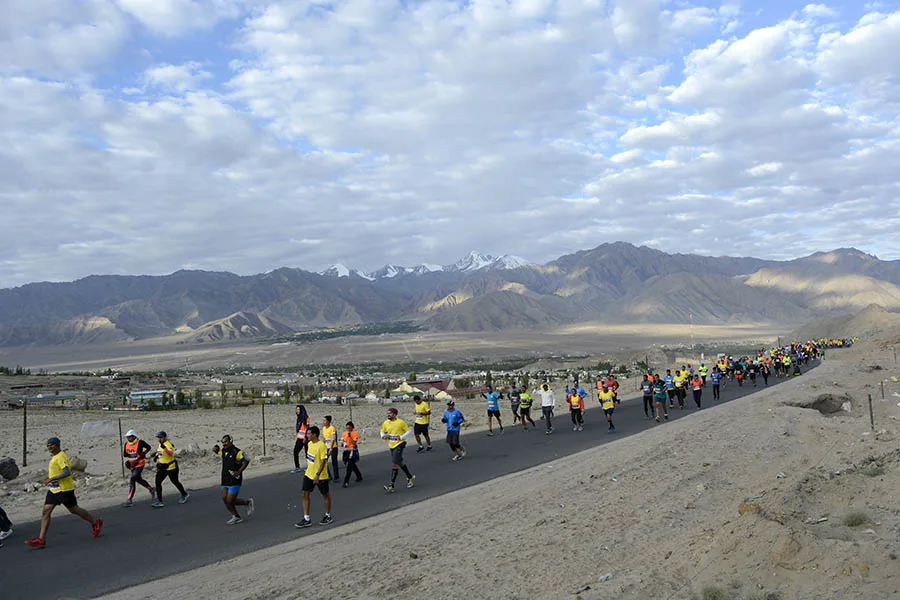
Ladakh: The 2026 Ladakh Marathon brought together runners from different parts of India for a challenging celebration of endurance, but this year's event carried a message that went beyond sport. Alongside its demanding races, the marathon put a strong focus on reducing plastic waste and involving local students in environmental action. The event featured several races across four days, including long-distance challenges such as the 122-km Silk Route Ultra and the 72-km Khardung La Challenge, along with the full marathon and shorter community races. With a large number of participants and visitors arriving in Ladakh, managing waste became an important part of organising the event responsibly. Instead of treating plastic waste as a problem to be addressed only after the races, organisers introduced an initiative that encouraged young participants to become part of the solution.
Students Had to Collect PET Bottles to Enter the Race
One of the most distinctive ideas was introduced for the 5-km Race for Fun. Students could secure their race entry by collecting and submitting 20 PET plastic bottles. The collected bottles effectively became their entry contribution, after which participants received their race bibs. The concept gave students a practical reason to look around their surroundings and collect discarded plastic bottles from streets, shops, markets and other public areas. The initiative was designed not only to collect plastic but also to create awareness among young people about the amount of waste generated through everyday consumption.
Environmental Campaign Reaches Ladakh's Schools
Organisers took the message into schools across Ladakh, encouraging students to participate in the bottle-collection campaign. For many young participants, the process turned environmental awareness into a hands-on activity. Instead of simply hearing about plastic pollution in classrooms, students were encouraged to identify waste in their own neighbourhoods and take responsibility for collecting it. The approach also connected environmental responsibility with something children were excited abouttaking part in a major sporting event.
Why Plastic Management Matters in Ladakh
Ladakh's unique Himalayan environment makes waste management an important concern. The region attracts tourists throughout the year, and large gatherings can increase the volume of disposable packaging and bottles. PET bottles are widely used for drinking water and other beverages, making them a visible part of the waste generated during large events. Collecting these bottles separately can help prevent them from being left along roads, public spaces and natural surroundings. The marathon's initiative therefore placed attention on one specific category of waste while encouraging participants to think about their broader environmental footprint.
Turning a Race Bib Into a Symbol of Responsibility
For the students taking part in the campaign, the race bib represented more than an entry pass. It was linked directly to an environmental action they had completed before reaching the starting line. That connection helped make the message simple and easy to understand: participation in a community event can also come with a responsibility toward the place where it is being held. The idea also demonstrates how sporting events can be used as platforms for public awareness. When thousands of people gather for a marathon, even a relatively small initiative can attract considerable attention.
Young Participants at the Centre of the Initiative
The focus on students is particularly significant because environmental habits often develop through repeated everyday behaviour. Encouraging children to collect plastic waste can introduce them to concepts such as responsible disposal, recycling and reducing single-use plastic. The campaign also encouraged students to look beyond their homes and notice waste in shared public spaces. That can help create a stronger sense of community responsibility. Rather than presenting environmental protection as an abstract issue, the marathon connected it with a clear activity that students could complete themselves.
More Than Just a Sporting Event
The Ladakh Marathon has become associated with some of the region's most demanding running challenges, attracting athletes and enthusiasts to its high-altitude landscape. But the 2026 edition also demonstrated how a sporting event can carry a wider social message. The combination of endurance sport and environmental participation gave students an opportunity to become active contributors rather than simply spectators. The PET bottle campaign was straightforward: collect bottles, submit them and earn a place in the 5-km race. Yet behind that simple exchange was a larger lesson about personal responsibility and community action.
A Message That Can Travel Beyond Ladakh
The idea introduced at the Ladakh Marathon could also inspire other sporting events to experiment with environmentally focused participation programmes. Marathons, school races and community sporting events could potentially use similar activities to encourage waste collection and awareness. For young India, the lesson is particularly relevant. Environmental protection does not always begin with large campaigns or complicated solutions. It can start with something as basic as noticing a discarded bottle, picking it up and making sure it reaches the right collection point. The 2026 Ladakh Marathon ultimately showed that a race can measure more than speed and endurance. For the students involved in its plastic-collection initiative, the journey to the starting line also became an opportunity to take a small, practical step toward keeping their surroundings cleaner.