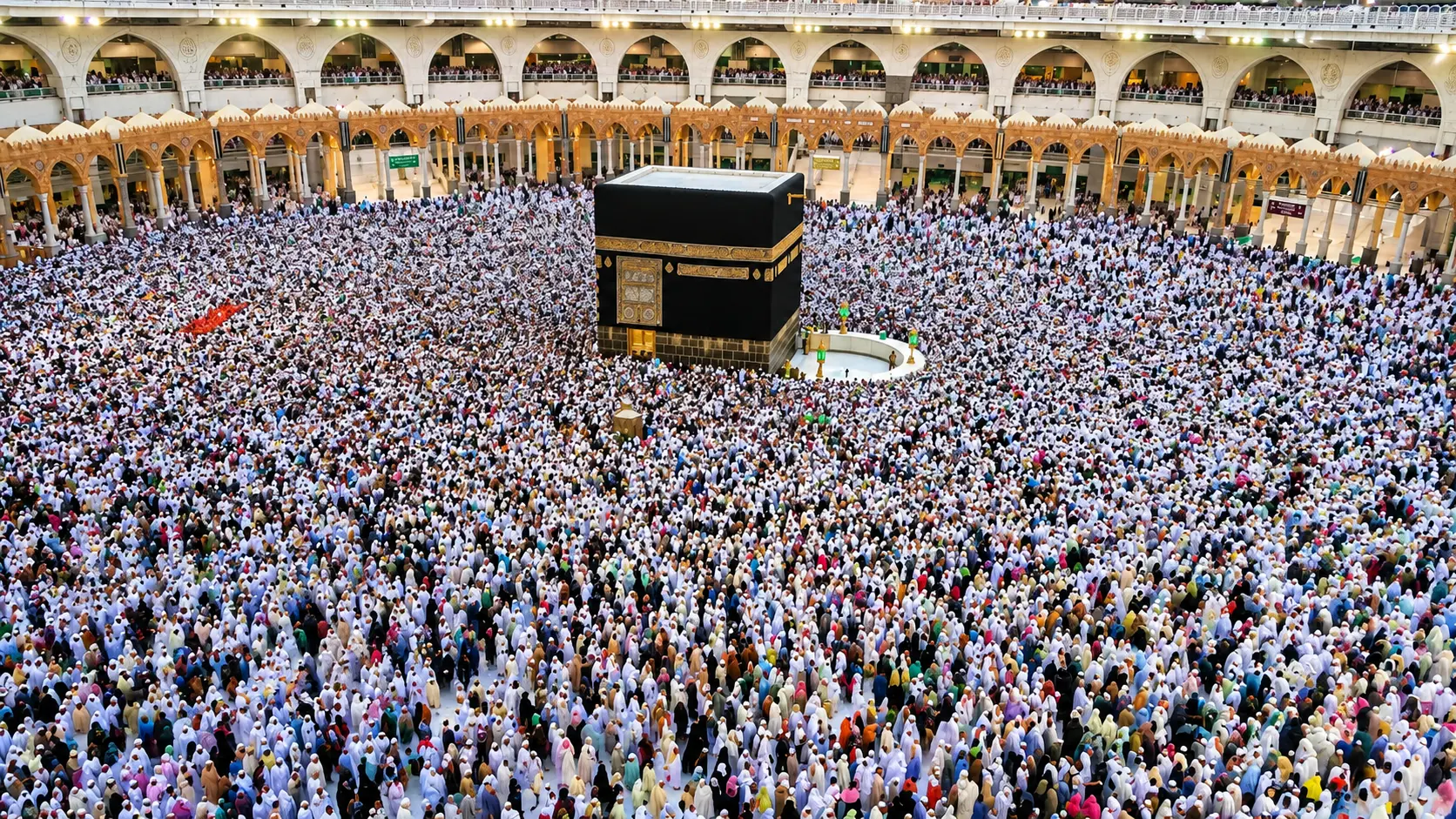
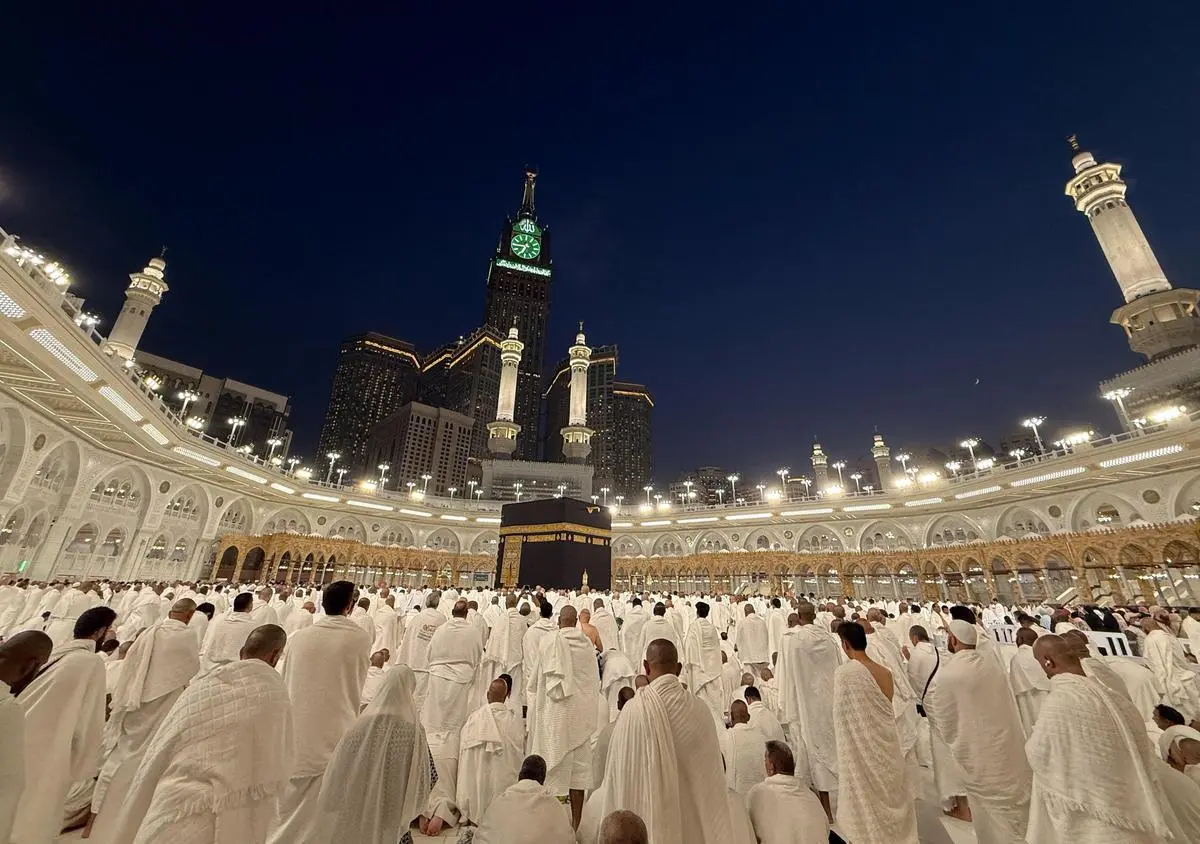
India has expressed deep concern over the reported drone attack near Mecca in Saudi Arabia, calling for peace and stability in a region facing heightened military tensions. The statement came after Saudi authorities said their air defence forces intercepted and destroyed a drone south of the holy city before it could enter restricted airspace. India's Ministry of External Affairs highlighted the special religious significance of Mecca and reiterated New Delhi's opposition to attacks that threaten sovereign territory, civilians and critical infrastructure. The development has attracted international attention because Mecca is Islam's holiest city and receives pilgrims from across the world.
India condemns attacks on Saudi territory
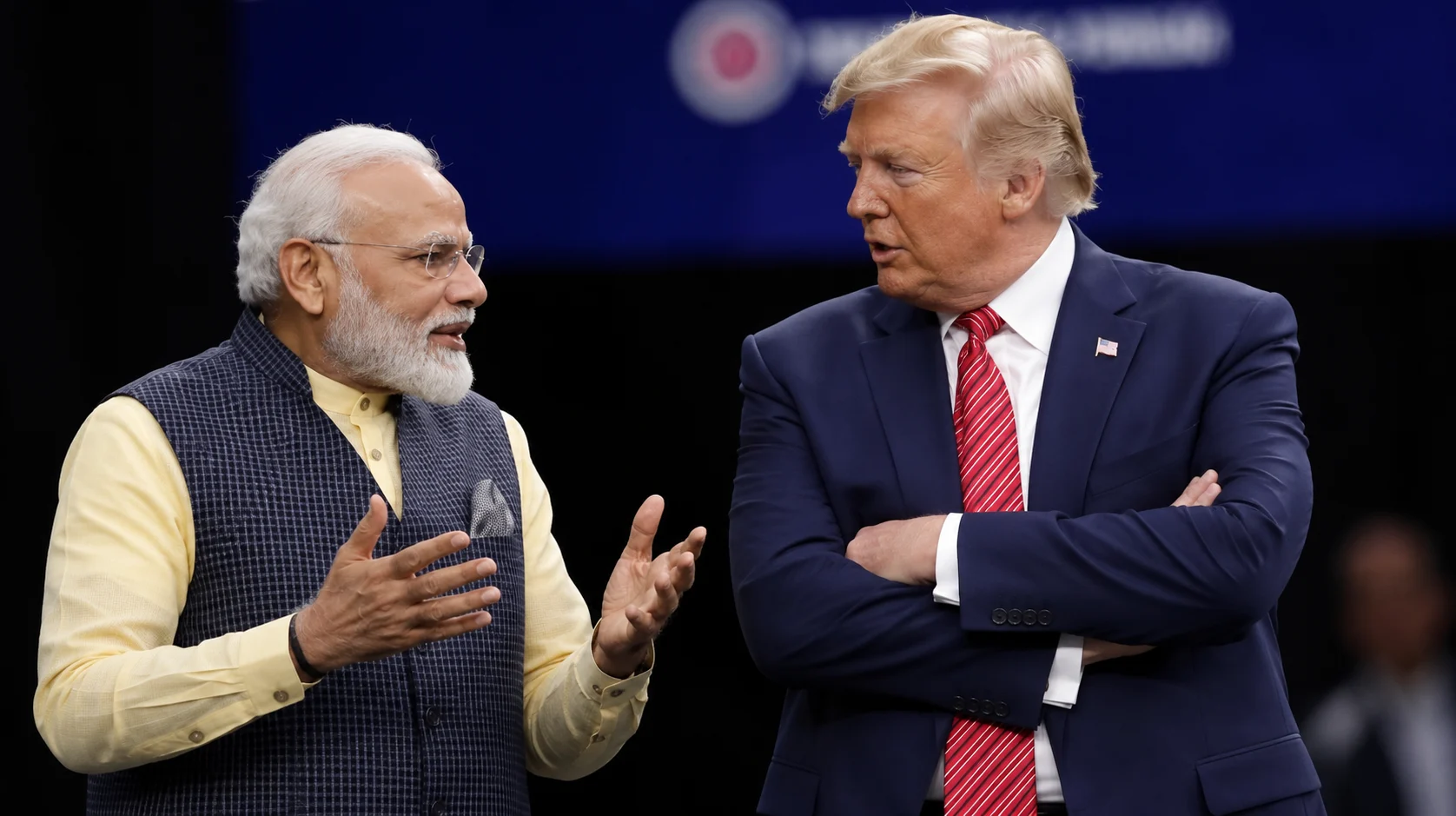
Responding to questions about the incident, MEA spokesperson Randhir Jaiswal said India was deeply concerned about the reported drone attack near Makkah. He said attacks on Saudi Arabia's sovereign territory and actions that endanger civilian lives and infrastructure should be condemned. India also expressed hope for the early restoration of peace and stability in the region. The official response reflects New Delhi's broader position against attacks that can threaten civilian populations and essential infrastructure. The statement comes at a time when West Asia tensions have intensified, with Saudi Arabia facing a series of security challenges linked to the wider conflict involving Yemen's Houthi movement.
What happened near Mecca?
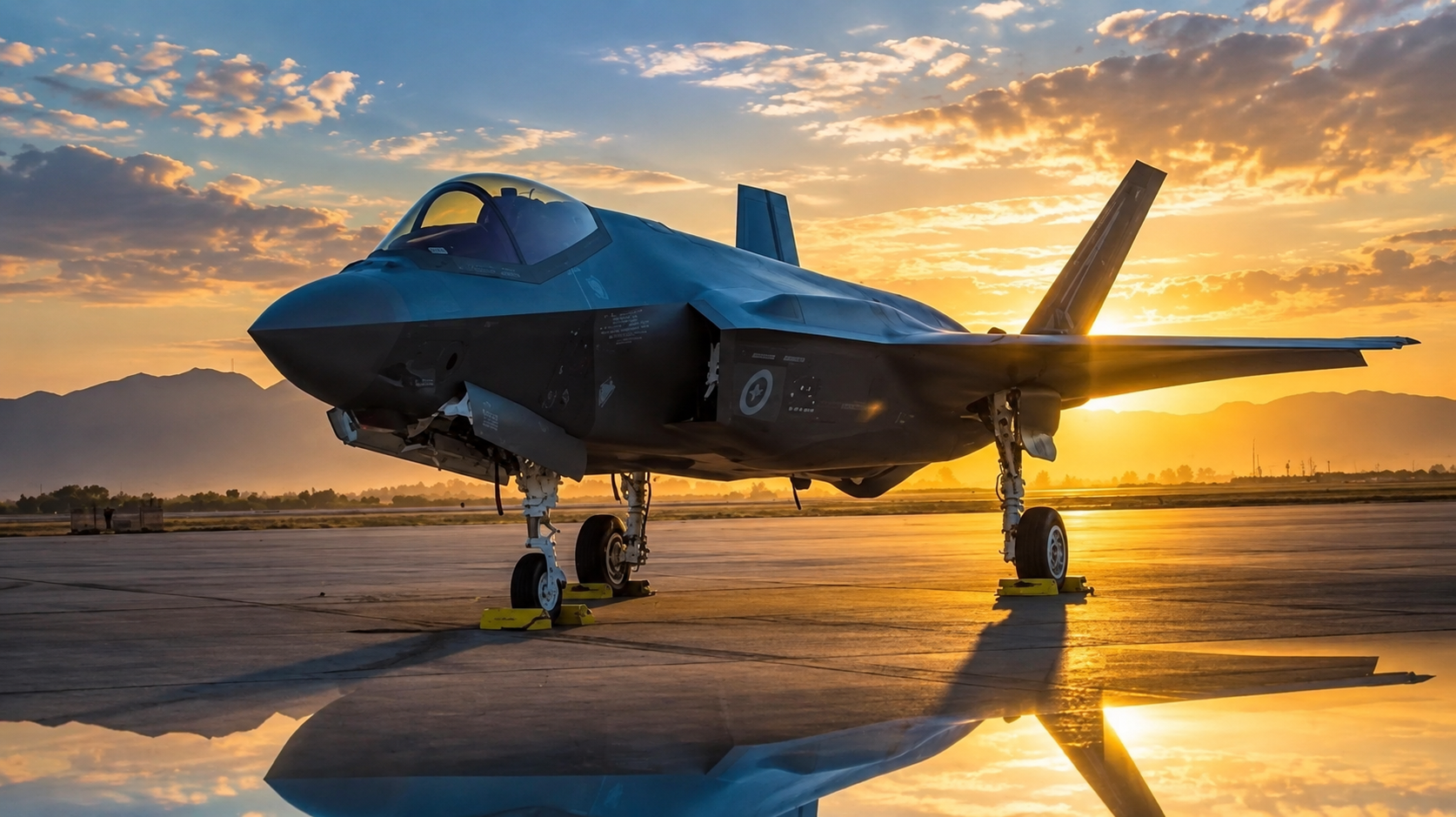
According to Saudi authorities, the Royal Saudi Air Defence Forces intercepted a hostile drone on the evening of September 15, 2026. The drone was reportedly destroyed south of Mecca before entering the prohibited airspace surrounding the holy city. Saudi-led coalition spokesperson Major General Turki al-Maliki said the incident represented a second reported attempt to target Mecca by the Houthis. He referred to an earlier ballistic missile incident in July 2017. Saudi authorities have stressed that protecting the Two Holy Mosques and pilgrims remains a critical security priority. The latest Mecca drone attack report has therefore become one of the most sensitive developments in the current Saudi-Houthi confrontation.
Houthis reject the allegation
The Saudi account has not gone uncontested. A Houthi military source denied that the group had targeted Mecca or posed a threat to the holy sites. The denial was reported through Yemen's SABA news agency. This difference between the Saudi account and the Houthi response is important when assessing the incident. Saudi authorities say the drone was intercepted before it entered Mecca's restricted airspace, while the Houthis reject the allegation that they targeted the holy city. As a result, descriptions of the incident as an attempted attack on Mecca should be attributed to Saudi authorities rather than presented as an independently established fact.
Why the incident is significant
The location of the reported interception makes the incident particularly sensitive. Mecca is home to Islam's holiest sites and is central to the annual Hajj pilgrimage. Any security incident in the surrounding area can therefore generate concern well beyond Saudi Arabia. Saudi Arabia has already issued security alerts in several parts of the country amid a recent series of attacks and heightened regional tensions. Reuters reported that alerts were issued in Mecca and Jeddah on September 15, although the warnings were subsequently lifted and Saudi authorities did not immediately report confirmed impacts from those alerts. The situation also comes against the backdrop of growing tensions around Yemen, the Red Sea and the strategically important Bab el-Mandeb Strait. The waterways are important for international shipping and energy transportation, making instability in the region a concern for countries far beyond the Middle East.
India calls for regional stability
India's response focused on the need to protect civilians and infrastructure while restoring stability in the region. New Delhi has significant economic and people-to-people ties with Saudi Arabia, including a large Indian community living and working in the kingdom. The latest statement also follows discussions between Indian and Saudi officials regarding developments in the region. India's External Affairs Minister S Jaishankar met Saudi Foreign Minister Prince Faisal bin Farhan on the sidelines of the BRICS Summit on September 13, where regional developments were among the issues discussed, according to reports. For India, developments in Saudi Arabia and the wider Gulf region carry implications for energy security, trade, shipping and the safety of Indian nationals living across West Asia.
Wider West Asia tensions remain a concern
The reported Houthi drone attack near Mecca comes as tensions involving Saudi Arabia and the Houthis have intensified. Recent attacks and countermeasures have raised concerns about the potential impact on civilian safety, maritime routes and critical infrastructure. The Red Sea and Bab el-Mandeb remain particularly important because they connect major international shipping routes. Any prolonged disruption could have consequences for global trade and energy markets. Against this backdrop, India's call for an early restoration of peace and stability reflects the wider concern over the expanding regional security situation. The immediate focus remains on preventing further attacks, protecting civilians and avoiding additional escalation.
The Mecca incident has also highlighted how quickly developments in the broader West Asia conflict can acquire international significance. While Saudi Arabia has described the intercepted drone as a serious threat, the Houthis have rejected the allegation of targeting the holy city. For now, the episode adds another layer to an already complex regional crisis. India has made clear that threats to sovereign territory, civilians, and critical infrastructure are a matter of concern, while continuing to call for stability and peace across the region.