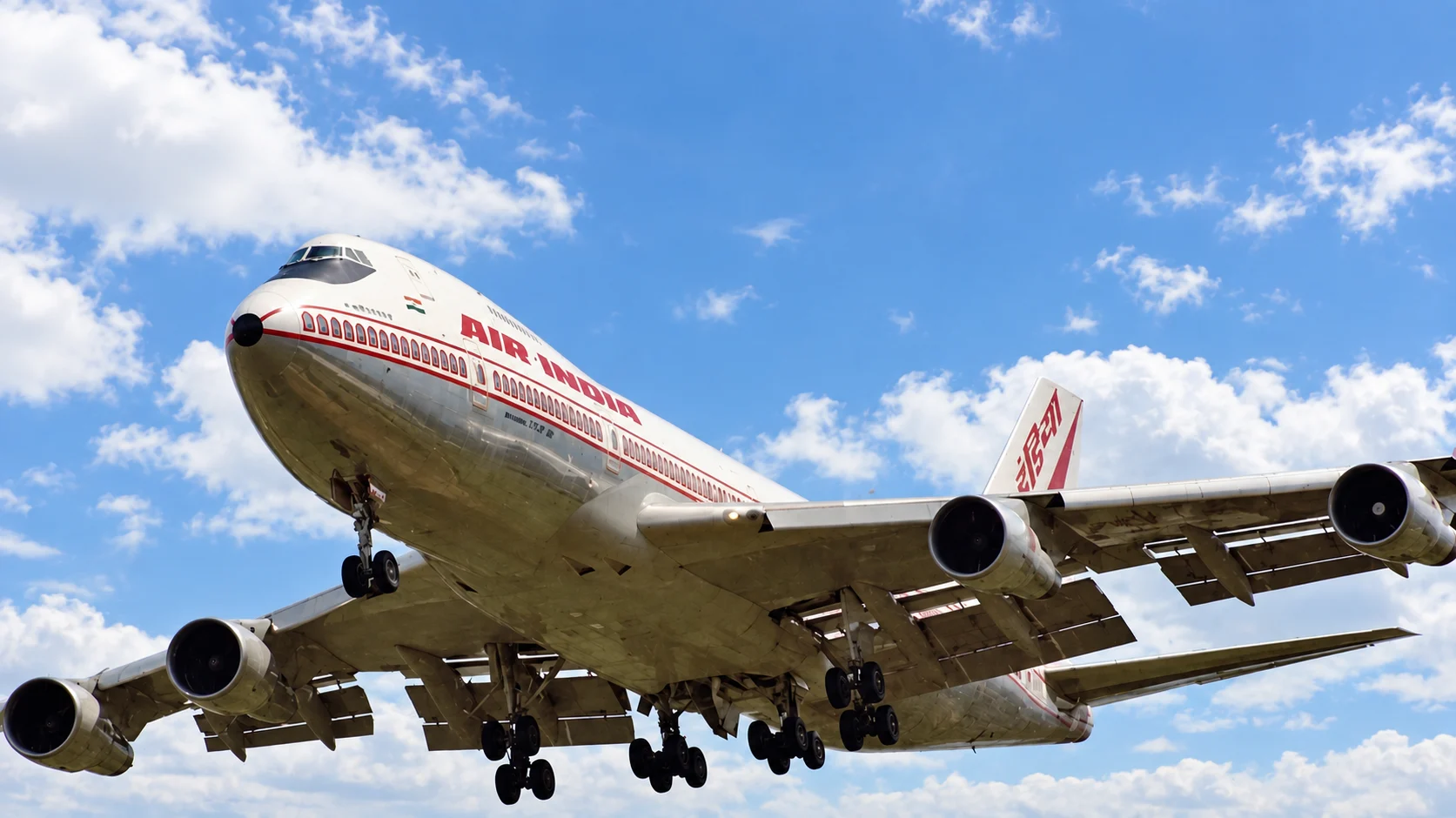
New Delhi: The investigation into the 1985 bombing of Air India Flight 182, widely known as the Kanishka bombing, may be scaled back by Canadian authorities, according to reports. The development has caused fresh concern among families who lost loved ones in the deadliest terrorist attack in Canadian history. The Royal Canadian Mounted Police (RCMP) is reportedly considering reducing the scope of its investigation into the bombing, which took place on June 23, 1985. The aircraft was flying from Montreal to India when an explosive device detonated over the Atlantic Ocean, killing everyone on board. The possible change in the investigation has reopened painful memories for relatives of the victims, many of whom have spent decades seeking answers and accountability.
329 People Were Killed in the Kanishka Bombing
Air India Flight 182 was carrying 329 passengers and crew members when it was destroyed by a bomb. All those aboard were killed in the attack, with most of the victims being Canadian citizens. The bombing shocked Canada and India and became one of the most significant terrorism cases investigated by Canadian authorities. The scale of the tragedy also had a lasting impact on the families of the victims, many of whom have continued to demand a complete examination of the attack and the circumstances surrounding it.
Investigation Linked to Khalistani Extremism
Canadian investigations into the bombing identified individuals associated with the Khalistani extremist movement as being connected to the attack. The case resulted in lengthy investigations and legal proceedings over several years. However, the legal outcome did not resolve every question surrounding the bombing. Questions about the wider conspiracy, those responsible and whether all aspects of the attack were fully investigated have continued to concern victims' families.
Families React to Possible Reduction in Probe
News that the RCMP could scale back its investigation has reportedly left several family members deeply distressed. For relatives who lost parents, children, siblings or other loved ones, the Kanishka bombing is not simply a historical case. More than four decades later, they continue to seek clarity over what happened and whether everyone involved in the attack was properly identified and held accountable. During discussions surrounding the issue, emotions reportedly ran high, with some family members becoming overwhelmed by the possibility that investigative efforts could be reduced.
Appeal for Investigation to Continue
A letter concerning the issue has urged Canadian authorities to continue pursuing the case. The appeal calls for renewed investigative efforts and stronger cooperation among Canada's policing and intelligence agencies. The letter also reportedly requested that authorities consider increasing the financial reward for information that could help identify those responsible for the bombing. The appeal comes amid concerns raised by the authors about extremist activities in Canada and elsewhere. They have argued that the Kanishka case should continue to receive attention because of its historical significance and the unresolved concerns of the victims' families.
Letter Sent to Indian and Canadian Officials
The appeal was also shared with senior officials in both India and Canada. Those reportedly included Indian Prime Minister Narendra Modi, the foreign ministers of India and Canada, the RCMP Commissioner and other Canadian officials. The communication seeks continued attention to the case and urges authorities not to allow the passage of time to bring investigative efforts to an end. For the families, the central issue remains the same: establishing the complete chain of events behind the bombing and ensuring that any outstanding questions are properly examined.
A Case That Still Resonates After Four Decades
The Kanishka bombing remains a defining case in the history of terrorism in Canada. The deaths of 329 people left a lasting impact on communities in Canada, India and elsewhere. The case also became an important example of the challenges faced by law enforcement agencies while investigating international terrorism, particularly when investigations stretch across multiple countries and decades. Although significant investigative and legal proceedings have taken place since 1985, the continued concerns of victims' families show that the case has not lost its emotional and historical significance.
Families Continue to Seek Answers
More than four decades after Flight 182 was destroyed, families of the victims continue to seek answers about the attack and those responsible for it. Any decision by Canadian authorities to reduce the investigation could therefore become an important development in a case that has remained in public discussion for decades. For the victims' relatives, the passage of time has not erased the consequences of the bombing. Their latest appeal reflects their demand that available evidence, potential leads and unanswered questions continue to receive appropriate attention. The Kanishka bombing remains a painful chapter in the history of both Canada and India, and the families' renewed appeal has once again brought the decades-old case into focus.