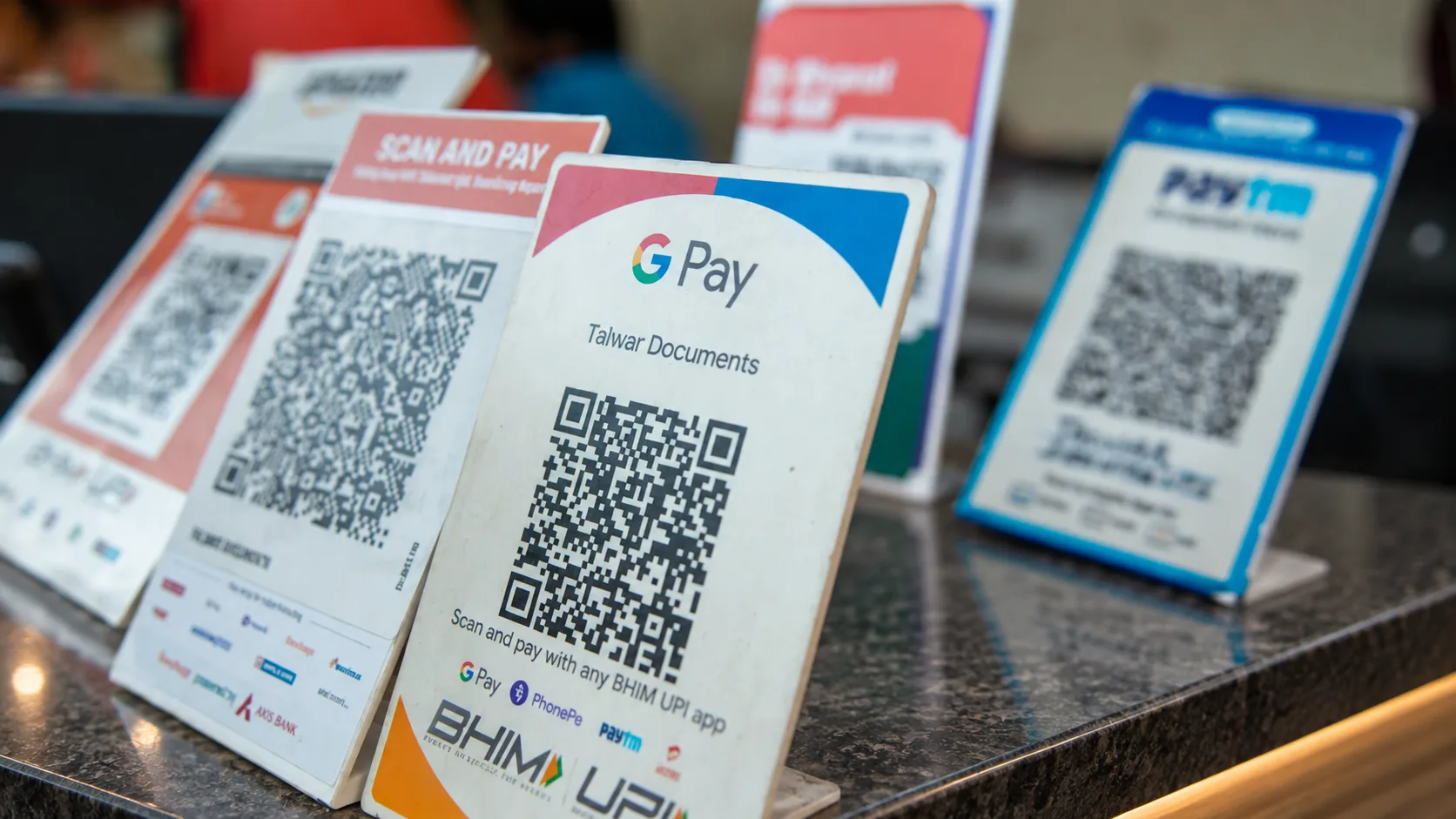
The Centre has rejected allegations that foreign pressure played a role in the introduction of a new Merchant Discount Rate (MDR) framework for certain high-value UPI transactions. The clarification comes amid political criticism over the decision to introduce charges on selected payments made to merchants. The new framework, announced by the National Payments Corporation of India (NPCI), is scheduled to come into effect from October 15, 2026. Under the revised system, a 0.4% MDR will apply to eligible person-to-merchant (P2M) UPI transactions above ₹2,000. The charge will be paid within the merchant-payment ecosystem rather than directly by the customer.
Finance Ministry Denies Foreign Influence
The Finance Ministry has pushed back against suggestions that the UPI policy was changed because of pressure from foreign governments or interests. In a statement shared on social media, the ministry said the policy was formulated independently, with the objective of creating a digital payments system that can remain sustainable while continuing to be accessible and affordable. The clarification followed criticism from opposition leaders and other commentators, who questioned the timing and rationale behind the new MDR structure. The government, however, has maintained that the decision is related to the long-term functioning and sustainability of India's digital payments ecosystem.
What Is Changing Under the New UPI Rules?
The most important change concerns payments made directly to merchants. From October 15, eligible UPI payments above ₹2,000 will attract an MDR of 0.4%. The charge will be capped at ₹300 per transaction, meaning payments of ₹75,000 or more will not attract an MDR above that ceiling. For example, a ₹3,000 eligible merchant payment would carry an MDR of ₹12, while a ₹50,000 payment would attract ₹200 under the standard 0.4% rate. Once the transaction reaches ₹75,000, the ₹300 ceiling applies. Importantly, this does not mean that customers will suddenly start paying a UPI transaction fee. The announced framework places the MDR obligation on merchants within the payment ecosystem, and the government has indicated that the cost should not be passed on to customers.
Person-to-Person UPI Transfers Remain Free
Another important distinction is between person-to-person and person-to-merchant transactions. If one individual sends money to another person through UPI, the new MDR does not apply. Person-to-person transfers will continue to remain free regardless of the transaction amount. The revised charges are focused on selected commercial payments where a customer is paying a merchant. This distinction means that everyday transfers between family members, friends and other individuals will not be affected by the new MDR framework.
Small Merchants Get Protection
The framework also includes provisions intended to protect smaller businesses. Small merchants receiving up to ₹1 lakh per month through direct UPI QR payments are set to remain outside the standard MDR levy. This provision is intended to reduce the impact on smaller vendors and businesses that depend heavily on digital payments but operate with relatively limited transaction volumes. The structure therefore does not treat every merchant transaction in the same way. The rate and exemptions depend on the nature and value of the payment.
Special Categories Will Have Different Charges
Certain sectors will not follow the standard 0.4% structure. Transactions involving areas such as railways, fuel, insurance and telecom services above the applicable threshold will attract a flat MDR of ₹5, according to the announced framework. Some capital-market transactions will also have a separate rate. These differentiated charges are intended to account for the economics of different types of digital payments rather than applying one uniform fee across every category.
Why Is MDR Being Introduced?
For years, UPI has operated with a zero-MDR model for a large portion of transactions. The rapid expansion of the platform has also increased the need for payment infrastructure, security systems, technology upgrades and other ecosystem investments. The new framework is being presented as an effort to create a more sustainable commercial structure around selected transactions while keeping ordinary users from facing a direct payment fee. According to reports, part of the revenue generated through MDR is expected to support investments in areas such as payment infrastructure, cybersecurity, innovation and customer services.
Political Debate Continues
The announcement has nevertheless triggered political debate. Critics have questioned whether introducing charges on high-value merchant transactions could eventually affect businesses or change consumer payment behaviour. The government has rejected the allegation that the policy was driven by foreign influence and has instead described the decision as part of an independently formulated approach to maintaining a sustainable digital-payment ecosystem. For users, the immediate takeaway is relatively straightforward: UPI is not becoming a paid service for ordinary person-to-person transfers, and customers are not being directly charged under the new MDR framework. The major change is the introduction of a fee within the merchant-payment ecosystem for specified higher-value transactions from October 15.