Riyadh: Tensions across the Middle East have intensified after Yemens Iran-aligned Houthi group launched a fresh wave of missile and drone attacks against Saudi Arabia, while diplomatic efforts to ease the crisis around the Strait of Hormuz suffered another setback. The latest escalation has raised concerns not only about a wider regional conflict but also about the stability of global energy supplies. Saudi Arabia is already dealing with disruption to its crucial East-West oil pipeline, while fighting in Yemen has pushed closer to strategically important shipping routes along the Red Sea. The Houthis said they launched dozens of missiles and drones toward a military airbase in Khamis Mushait, in southern Saudi Arabia. According to their claims, the operation targeted military infrastructure including aircraft facilities, radar installations, runways and ammunition storage areas. Saudi authorities issued emergency alerts in Khamis Mushait and several other southern cities. The Saudi-led coalition said the attacks injured 13 civilians.
Yemen Conflict Takes a Dangerous Turn
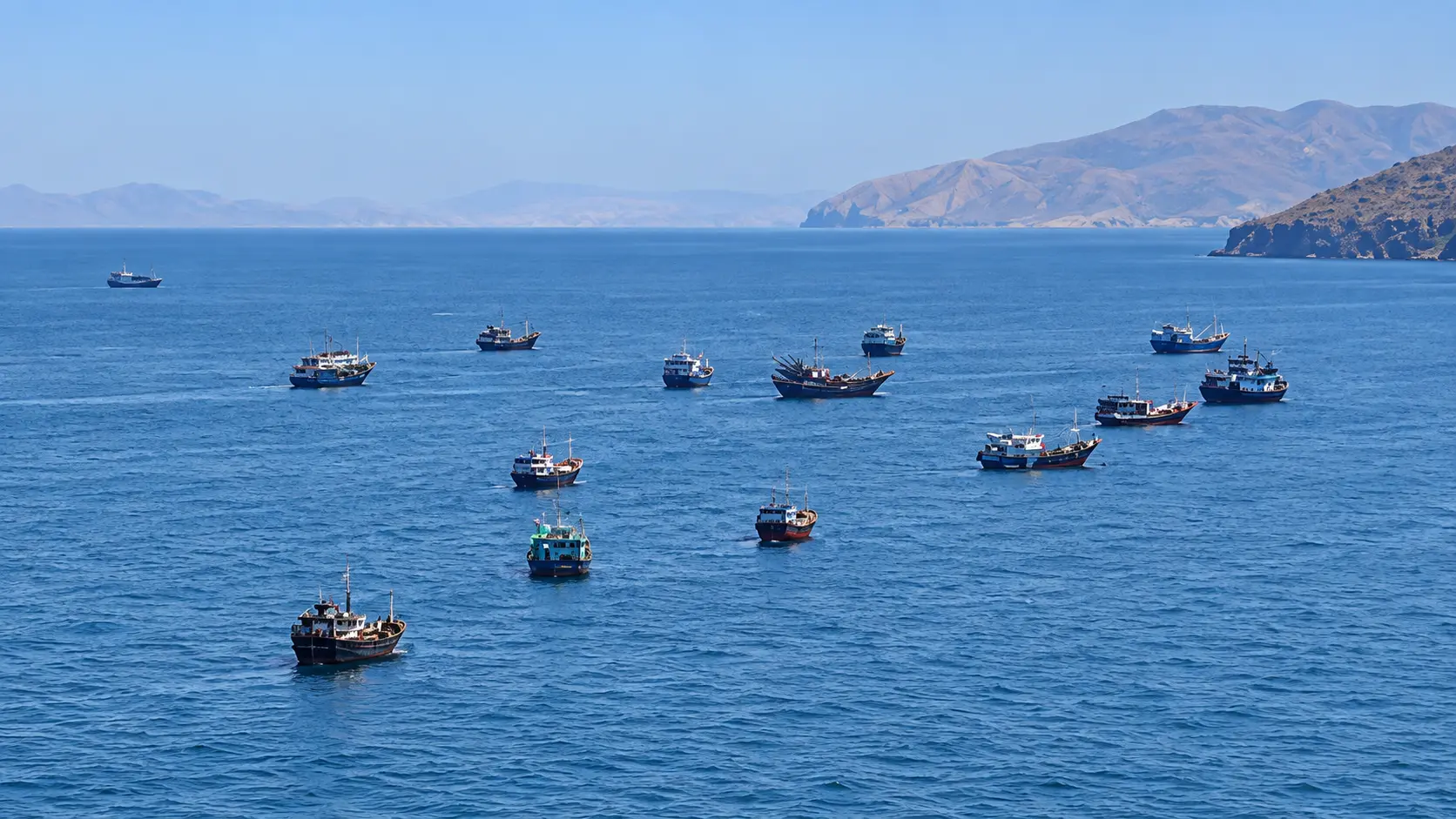
The renewed attacks come as Houthi forces have expanded their presence along Yemens western coastline. Their recent advances have increased pressure on the Saudi-backed forces and created new security concerns around the Red Sea. The group has also moved into strategically important areas near the mouth of the Red Sea, including Perim Island. Control of territory around this maritime corridor could become particularly significant if the regional conflict continues to disrupt commercial shipping. The Red Sea and the nearby Bab al-Mandeb Strait are important routes for international trade and energy transportation. Any prolonged instability in the area could force shipping companies to reconsider routes, increase insurance costs, and add further pressure to already volatile commodity markets. Saudi and Yemeni government forces have responded with increased airstrikes against Houthi positions, including areas surrounding the historic port of Mocha. However, Yemeni officials say the Houthis continue to hold significant territory along the western coast.
Saudi Oil Pipeline Adds to Global Supply Concerns
The security situation has become even more complicated because Saudi Arabias East-West oil pipeline remains disrupted following an earlier attack. The approximately 1,200-kilometre pipeline connects Saudi Arabias oil-producing regions near the Gulf with the Red Sea coast. Its strategic importance has increased because it provides Saudi Arabia with an alternative route for exporting crude without relying entirely on the Strait of Hormuz. The pipeline disruption has therefore created additional concerns for international oil markets. Traders fear that a prolonged outage could remove a significant volume of crude from global markets at a time when shipping through the Gulf is already under pressure. Oil prices responded to the growing uncertainty. Brent crude recently traded above $107 a barrel, while U.S. West Texas Intermediate also moved higher as investors assessed the possibility of further supply disruptions.
Strait of Hormuz Talks Put on Hold
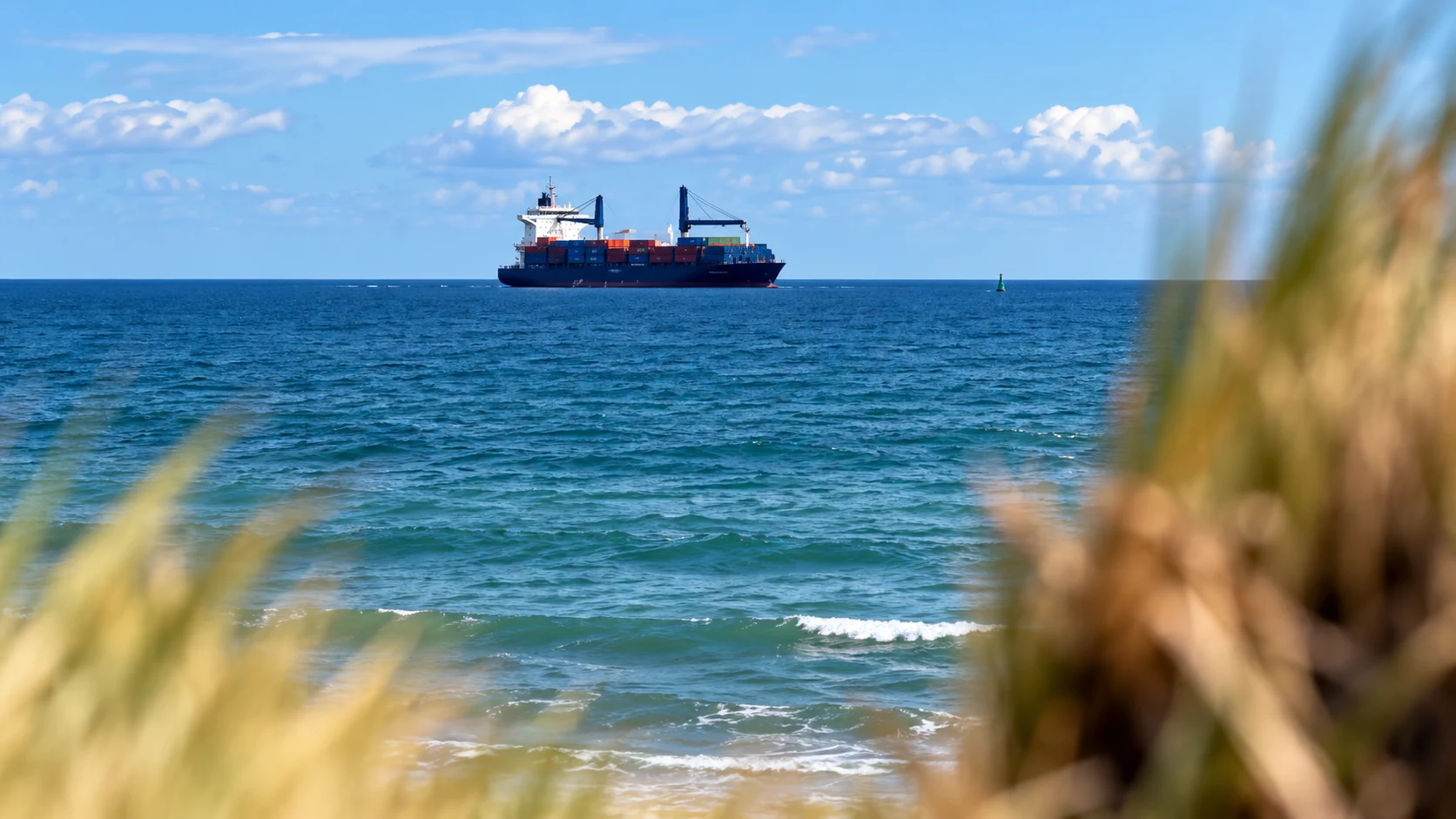
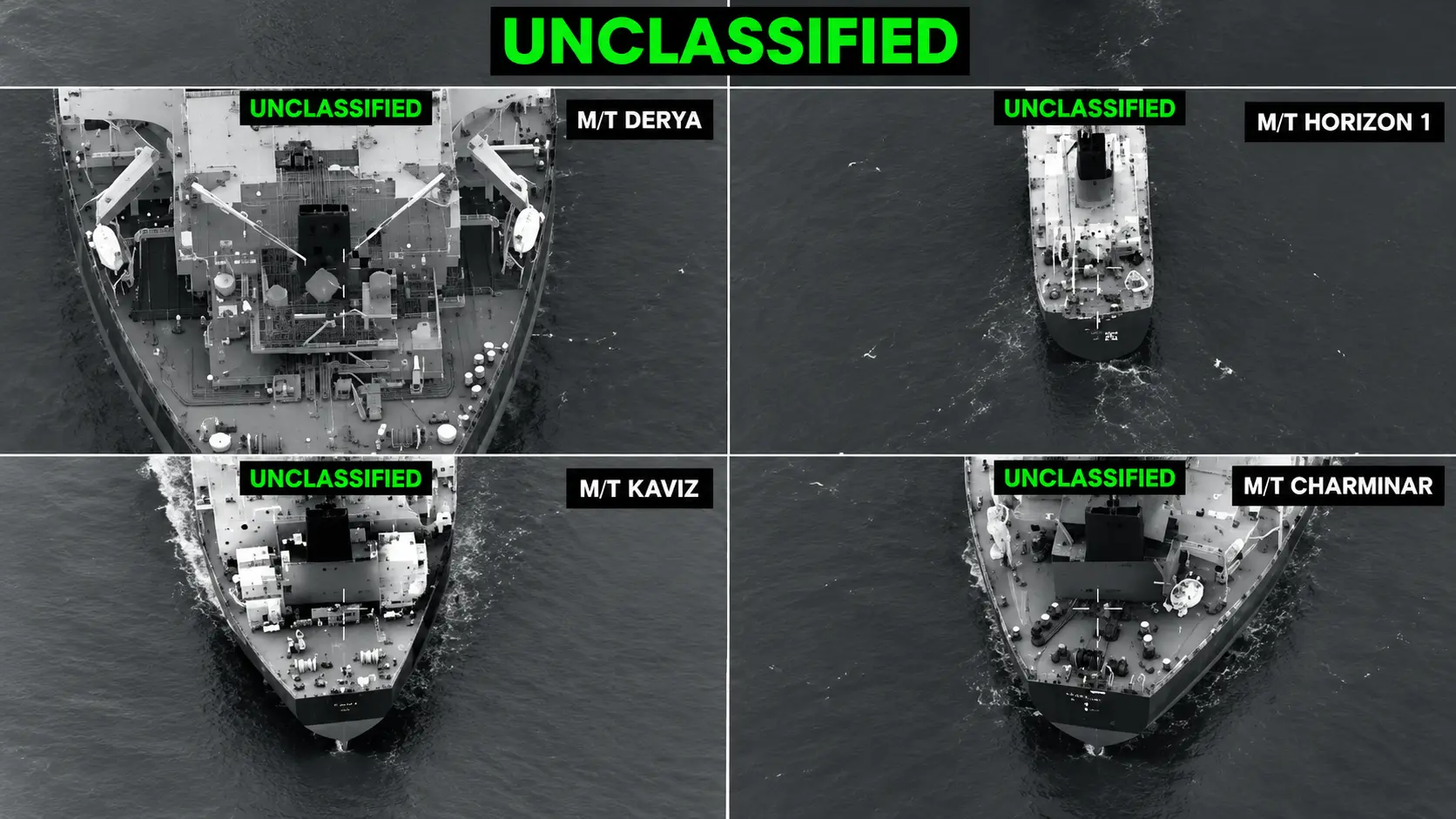
Diplomatic efforts to reduce the pressure on the region have also suffered a setback. Oman was expected to host discussions involving Iran and Gulf countries over arrangements aimed at easing restrictions around the Strait of Hormuz. The meeting, however, was postponed. The delay has increased uncertainty over whether diplomatic channels can prevent further escalation. Iran has maintained a tough position on the issue, while Gulf states are increasingly concerned about the impact of prolonged restrictions on shipping and energy exports. The Strait of Hormuz is one of the world's most important energy corridors. Before the current conflict, roughly one-fifth of global oil exports moved through the waterway, making any prolonged disruption a major concern for energy-importing countries.
US Faces Pressure to Respond
The worsening situation is also creating a difficult choice for the United States. Saudi Arabia has reportedly sought greater American support as Houthi attacks intensify. However, Washington has so far shown reluctance to become directly involved in another major military confrontation.US President Donald Trump has spoken with Saudi Crown Prince Mohammed bin Salman and has indicated that diplomacy with Iran remains possible. At the same time, the continued attacks and growing pressure on regional shipping routes could make Washington's position increasingly difficult to maintain. Saudi Arabia and the United States are closely watching developments around the Red Sea, particularly because further Houthi gains could affect both commercial shipping and regional security.
Oil Markets Watching Every New Attack
For global markets, the biggest concern is whether the separate disruptions affecting Saudi Arabia, the Red Sea and the Strait of Hormuz begin reinforcing each other. A prolonged pipeline shutdown combined with restricted shipping could tighten crude supplies and push energy prices higher. Higher oil prices could eventually increase transportation, manufacturing and consumer costs in countries that depend heavily on imported energy. The latest escalation therefore extends far beyond Saudi Arabia and Yemen. Governments, energy companies and financial markets worldwide are closely monitoring the situation. For now, hopes of a quick diplomatic breakthrough appear weaker, while military activity continues to increase. If attacks persist and negotiations remain stalled, the Middle East conflict could enter an even more dangerous phase, with consequences reaching global oil markets and international shipping.